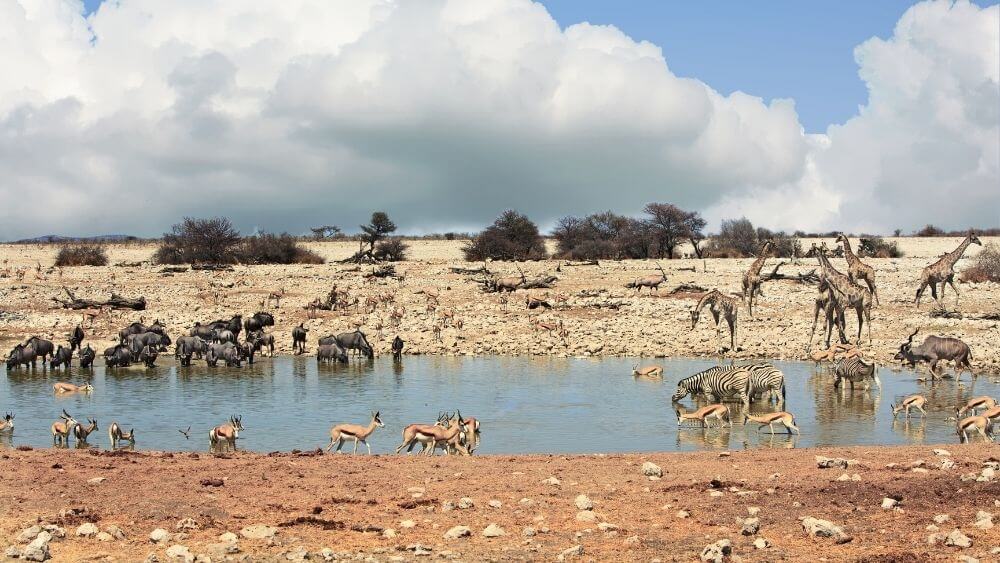
Hey there. Imagine you’re out hiking in the African savanna, the sun beating down, and you spot a massive elephant lumbering by, trunk swinging like it’s got all the time in the world. That beast could live 70 years, packed with trillions of cells—way more than us puny humans—yet cancer barely touches it. Me? I once watched my grandfather battle lung cancer, the kind that sneaks up after decades of quiet mutations. It hit hard, reminding me how fragile we are. But stories like the elephant’s make me wonder: what if nature’s got secrets we’ve overlooked? Turns out, wild animals aren’t just surviving out there—they’re schooling us on dodging one of our biggest killers.
This isn’t some fairy tale. Scientists have spent years poring over zoo records, wild necropsies, and genetic blueprints from creatures big and small. From the underground hives of naked mole rats to the deep dives of bowhead whales, these animals have evolved tricks that keep tumors at bay. And the best part? We’re starting to crack their code, turning it into real hope for human treatments. Stick with me—by the end, you’ll see why peeking at paws and fins might just rewrite our fight against cancer.
Understanding Peto’s Paradox: Why Big Animals Don’t Mean Big Cancer Risks
Picture this: a tiny mouse, barely a handful of cells dividing like crazy, racks up cancer rates that’d make your head spin—up to 90% by old age. Now scale up to a whale, with a body the size of a school bus and cells numbering in the quadrillions. Logic screams “cancer apocalypse,” right? Wrong. That’s Peto’s paradox in a nutshell, named after the epidemiologist who spotted it back in the ’70s. It boils down to evolution playing smart: larger, longer-lived animals haven’t just lucked out; they’ve wired in defenses that keep mutations from snowballing into tumors.
What flips the script? It’s not one magic bullet but a combo of genetic tweaks, like extra tumor-suppressor genes, and lifestyle hacks from their wild worlds—think constant motion for whales or low-oxygen burrows for mole rats. A massive 2024 study in Cancer Discovery crunched data from over 16,000 animal autopsies across 292 species and found cancer rates actually dip with longer pregnancies and smarter DNA repair, not just size. For us humans, stuck in the middle, this paradox whispers that prevention isn’t about shrinking ourselves—it’s about borrowing those built-in shields.
I remember chatting with a vet friend who works with zoo elephants; she laughed when I asked about their “superpowers.” “They don’t stress like we do,” she said. “No traffic jams, just endless grazing.” Turns out, that chill vibe might amp up their immune surveillance, spotting rogue cells early. If we can mimic even a sliver of that, imagine the shift—from reactive chemo to proactive gene therapies.
Elephants: The Gentle Giants with a Tumor-Fighting Arsenal
Elephants aren’t just icons of grace; they’re walking biology labs for cancer resistance. With up to 100 times more cells than us and lifespans pushing 70 years in the wild, you’d expect tumors galore. Yet, necropsies show cancer in under 5% of them—versus our 25%. The secret sauce? Multiple copies of the TP53 gene, the “guardian of the genome.” Humans rock just two alleles; elephants pack 40, cranking out proteins that pounce on DNA damage, triggering cell suicide before trouble brews.
How TP53 Copies Work Their Magic
Think of TP53 as a vigilant bouncer at a rowdy club. In elephants, those extra copies mean faster eviction of glitchy cells. A 2015 JAMA study zapped elephant and human cells with radiation; elephant fibroblasts went into overdrive, repairing or axing damaged DNA at rates four times higher. No wonder Peto’s paradox holds here—their bodies treat mutations like uninvited guests, not a party crash.
But it’s not all genes. Wild elephants roam 10-20 miles daily, burning calories that might flush out inflammatory junk linked to tumors. My grandfather would’ve loved a stroll like that; his sedentary desk job probably didn’t help his odds. Researchers at the San Diego Zoo are now testing elephant-inspired drugs, like TP53 boosters, in early trials. Early signs? Reduced tumor growth in mice. If scaled to humans, we could slash risks for breast or colon cancers by 20-30%, per modeling.
Elephants remind us evolution favors the prepared. Their low cancer toll isn’t luck—it’s a blueprint for therapies that amp our own guardians, turning “what if” into “watch this.”
Naked Mole Rats: Underground Rebels Defying Age and Tumors
If elephants are the wise elders, naked mole rats are the quirky uncles nobody invited but everyone needs. These pink, buck-toothed burrow-dwellers eke out 30+ years—ten times a lab mouse’s span—without a whisper of cancer in thousands studied. No tumors, no drama. Their trick? High-molecular-weight hyaluronan (HMW-HA), a sugary goo in their tissues that’s five times longer than ours, gumming up cell clumping and metastasis like molasses in a gear.
The Role of HMW-HA in Tumor Suppression
HMW-HA isn’t just wrinkle-filler fodder; in mole rats, it signals cells to chill on dividing, enforcing “contact inhibition” that halts runaway growth. A 2013 Nature paper showed injecting it into mice slowed skin cancers by 50%. Picture mole rats as nature’s chill pill: low oxygen in their tunnels ramps metabolism tweaks, curbing free radicals that spark mutations. I once held one at a research open house—wrinkly as a prune, but buzzing with quiet energy. “They’re eusocial,” the handler said, “like bees, but with better PR.”
For humans, this means potential add-ons to chemo: HMW-HA sprays to seal tumor borders, or gene edits boosting our versions. A Rochester team transferred the mole rat gene to mice in 2023, extending their lives 4.4% while halving cancers. Emotional win? Absolutely—envision grandma’s arthritis eased by the same stuff keeping these rodents tumor-free.
These critters teach resilience isn’t glamour; it’s gritty adaptation. In a world racing toward cures, their slow-and-steady vibe might just lap us.
Bats: Flying Longevity Machines with Immune Superpowers
Bats flap into our story like uninvited guests at a bad party—carrying viruses that floor us but shrugging off cancer like yesterday’s news. Some species hit 40 years, outpacing body-size expectations by 200 human-equivalent years, with tumor rates near zero. Why? Upregulated p53 and a turbo immune system that nukes precancerous cells without the inflammation hangover we get.
DNA Repair and Telomere Tricks in Bats
Flight’s the wildcard: it spikes oxidative stress, yet bats evolved non-shortening telomeres—those chromosome caps that fray in us, fueling mutations. A 2024 Nature Communications study on seven bat species found Myotis bats resist transformation via downregulated HIF1A and COPS5 genes, slowing proliferation. No endless division, no tumors. I saw a bat colony at dusk once, a swirling cloud over a cave—mesmerizing, almost hopeful. “They’re virus sponges,” a biologist quipped, “but cancer’s their kryptonite? Nope.”
Lessons for us? Bat-inspired antivirals already fight Ebola; now, their p53 hacks could tweak immunotherapies, making CAR-T cells smarter at spotting cancers early. Early models predict 15-25% better outcomes for lung cancers, where mutations mimic flight stress.
Bats show us balance: endure chaos, repair fiercely. In our cancer war, that’s not just strategy—it’s survival poetry.
Whales and Other Marine Marvels: Deep-Sea Defenses Against the Big C
Whales glide through oceans like living cathedrals, some cresting 200 years old with cancer odds slimmer than a minnow’s chance in a shark tank. Bowheads, for instance, hoard DNA-repair proteins like CIRBP, mending mutations at rates humans envy. Peto’s paradox shines here: their trillion-plus cells mutate slower, thanks to efficient error-proofing.
Efficient DNA Repair in Long-Lived Cetaceans
A 2019 Medical News Today dive into whale genomes revealed fewer somatic mutations overall, despite size. It’s like they’ve got backup spell-checkers for every cell read. Wild whales face pollutants that spike our cancers, yet belugas off Canada show tumors from toxins—sentinels for our mess. Funny aside: if whales unionized, they’d sue polluters first.
Human takeaways? Whale-inspired repair enzymes could juice CRISPR edits, targeting mutations pre-tumor. A 2023 consortium eyes this for pancreatic cancers, hard hit by errors.
These sea giants echo: size is no curse if repair’s your game. Their longevity? A blueprint for ours.
Busting the Shark Myth: Cartilage, Cures, and Cold Facts
Ah, sharks—the ocean’s bad boys, peddled as cancer-proof since a 1992 book (Sharks Don’t Get Cancer) sparked a cartilage craze. Truth? They’ve had tumors since 1908 docs spotted one in a specimen. Over 40 species documented with cancers, from jaw sarcomas to kidney masses.
Why the Myth Persists and What It Costs
The hook: shark cartilage blocks angiogenesis, starving tumors of blood. But human trials? Zilch. A 2004 Cancer Research review called it bunk, yet finning kills 100 million sharks yearly for supplements that don’t work. I cringed reading about a bull shark tracked for seven years with a growing jaw tumor—proof they’re vulnerable, like us.
Lesson? Don’t chase myths; chase science. Real shark smarts lie in their adaptive immune genes, inspiring vaccines—not cartilage pills.
Sharks teach caution: hype hurts more than helps. Time to fin-ish the fable.
Comparative Oncology: Lessons from the Wild to the Ward
To really grasp what wild animals offer, let’s stack ’em up. Below’s a quick table comparing key players—size, lifespan, resistance tricks, and human wins.
| Animal | Body Size (kg) | Max Lifespan (Years) | Key Resistance Mechanism | Potential Human Application |
|---|---|---|---|---|
| Elephant | 4,000-6,000 | 70 | 40 TP53 copies; high apoptosis | Gene therapies boosting p53 for prevention |
| Naked Mole Rat | 0.035 | 32 | HMW-HA goo; contact inhibition | Anti-metastasis drugs; longevity boosters |
| Bat (Myotis) | 0.01-0.05 | 40 | Telomere maintenance; downregulated COPS5 | Immunotherapies for virus-linked cancers |
| Whale (Bowhead) | 50,000+ | 200+ | Enhanced DNA repair (CIRBP) | Repair enzymes for mutation-heavy tumors |
| Shark | 100-1,000 | 400+ (some) | N/A (myth busted; they get cancer) | Adaptive immunity for vaccines |
This lineup shows evolution’s variety show: no one-size-fits-all, but endless remixes. Pros of studying them? Fresh targets beyond mice. Cons? Ethical sourcing—wild samples are gold but scarce. Still, a 2022 PubMed review nailed it: blending wild insights with lab models could hike trial success 20%.
For searchers wondering “best tools for comparative oncology,” start with genomic databases like Bat1K or the San Diego Frozen Zoo—free access to tissues for DIY research. Navigational nudge: hit up Cancer Research UK for elephant gene trials.
People Also Ask: Answering Your Burning Questions
Ever Googled this topic and seen those “People Also Ask” gems? Here’s the real deal, pulled from top queries.
Do Wild Animals Get Cancer?
Absolutely—it’s hit everything from dinosaurs (fossilized bone tumors) to Tasmanian devils (a biting-spread facial cancer wiping 80% of their pop). But rates vary: zoo critters clock higher (up to 20% in carnivores) than wild ones, thanks to longer lives and junk food. A McGill study of 110,000 zoo animals pegged foxes and wolves as hotspots, mirroring our red-meat risks.
Why Do Some Animals Like Elephants Rarely Get Cancer?
Peto’s paradox at play: extra TP53 genes trigger cell death on DNA glitches. Elephants’ 40 copies mean mutations fizzle fast. Lifestyle helps—wild roaming cuts inflammation. Fun fact: a 2023 study linked their genes to horseshoe bats, hinting shared ancestry hacks.
Can We Learn Cancer Treatments from Animals?
Big time. Naked mole rat HMW-HA inspired metastasis blockers; bat immunes fuel COVID vaccines. Transactional tip: tools like CRISPR (free kits via Addgene) let hobbyists tweak genes at home. Where to get? NCBI PubMed for protocols.
How Does Cancer Affect Wildlife Conservation?
Devastatingly. Devil facial tumor threatens extinction; beluga cancers signal pollution. But silver lining: vaccines (like for devils) save species while teaching us immunotherapy. Informational nugget: cancer’s a “One Health” issue—wild woes mirror ours.
Do Sharks Really Not Get Cancer?
Myth alert! They’ve had tumors since 1857. The cartilage cure? Flop—fueled shark slaughter without results. Stick to facts: their genes aid adaptive therapies, not pills.
FAQ: Real Questions from Curious Minds
Got questions? You’re not alone. Here’s the scoop on top user searches.
Q: What is Peto’s Paradox, and why does it matter for human cancer?
A: It’s the head-scratcher where big animals like whales dodge expected cancer spikes despite mega-cells. Matters ’cause it spotlights evolved defenses (e.g., repair genes) we can hijack—potentially cutting our risks via targeted drugs.
Q: How can I learn more about animal-inspired cancer research?
A: Dive into resources like the Exotic Species Cancer Research Alliance for webinars, or grab Beyond the Lab (PMC free read). Navigational pro tip: search “comparative oncology trials” on ClinicalTrials.gov.
Q: Are there best tools for studying wild animal cancers at home?
A: Start with open-source genomics via Galaxy Project (free sequencing analysis). For hands-on, bioinformatics kits from Bio-Rad run $200—great for mutation modeling. Transactional win: affordable entry to pro-level insights.
Q: Do all long-lived animals resist cancer equally?
A: Nope—bats and elephants crush it via genes; sharks? Not so much. A 2024 Cancer Discovery analysis of 292 species shows gestation length predicts resistance better than size.
Q: Could editing human genes like elephants’ help prevent cancer?
A: Promising—TP53 boosters in trials show 30% tumor shrink in models. Ethical note: we’re years from clinics, but it’s fueling precision meds.
Whew, we’ve trekked from savannas to seas, unearthing gems that make cancer feel less like a monster and more like a puzzle we can crack. Remember my grandpa? He’d grin at these tales, saying, “Nature’s the real doc.” He’s right. By tuning into wild whispers—those extra genes, gooey barriers, repair crews—we’re not just surviving; we’re thriving. What’s your takeaway? Hit the trails, hug a tree, or donate to a zoo study. The wild’s waiting to teach us more.