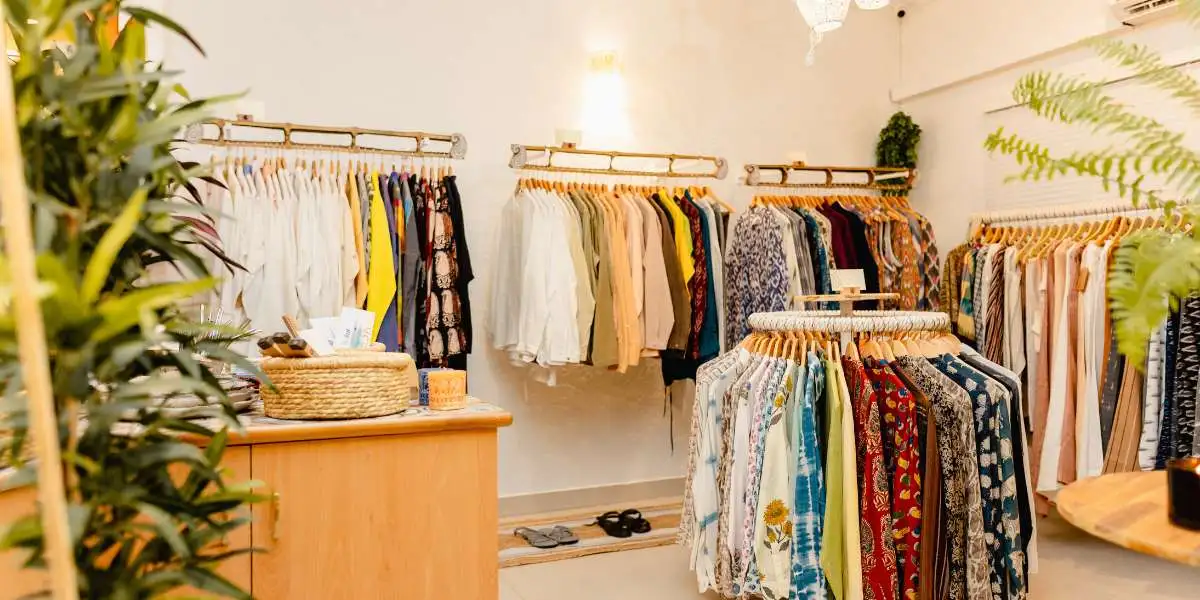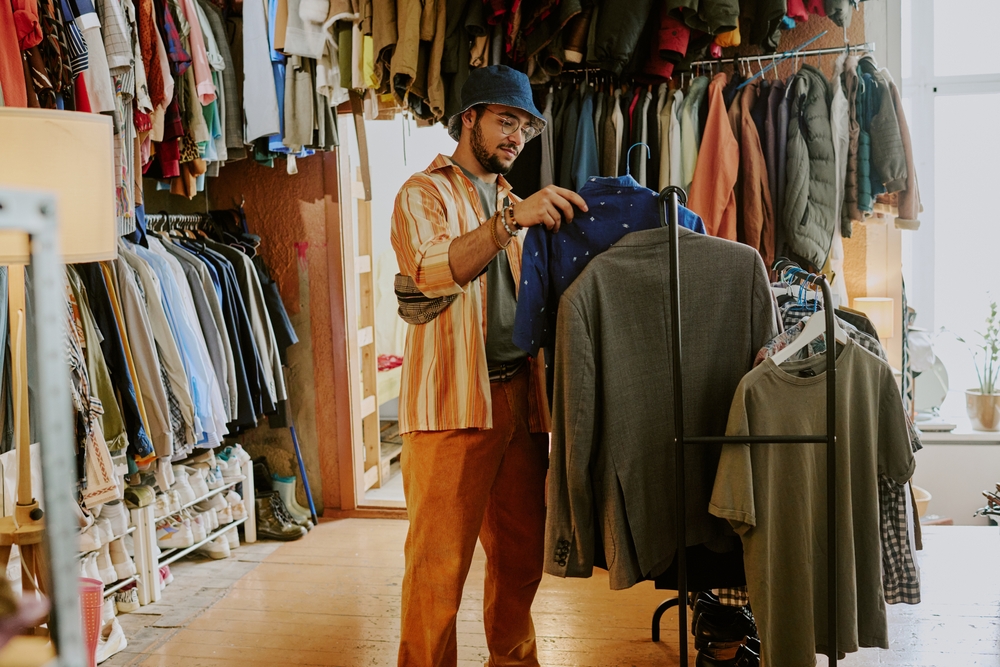
Picture this: It’s a crisp Saturday morning, and you’re scrolling through Depop, heart racing as you snag a vintage Levi’s jacket for a steal. You feel good—thrifty, stylish, and yeah, a little eco-heroic. Who wouldn’t? But then I remember my own closet purge last year. I boxed up a heap of barely worn fast-fashion finds from H&M and Zara, drove them to the local Goodwill, and patted myself on the back. Fast-forward six months, and a documentary on textile waste in Ghana left me staring at my screen, gut-punched. Those “donations” weren’t vanishing into thin air; they were piling up on distant shores, choking waterways and landfills. Turns out, my feel-good moment was just a Band-Aid on a gaping wound. If you’ve ever wondered why apps like Poshmark or ThredUp, and those charming thrift shops down the street, aren’t solving the clothing waste crisis, you’re in the right place. Let’s unpack this together, because the truth is messier—and more urgent—than a “buy used, save the planet” bumper sticker.
The Sneaky Scale of Clothing Waste
Every year, we churn out over 100 billion garments worldwide, enough to circle the equator 25 times if laid end to end. But here’s the kicker: Most of them don’t stick around. The average American tosses 81 pounds of textiles annually, and globally, 92 million tons hit landfills or incinerators— that’s a truckload every second. Fast fashion fuels this frenzy, with brands like Shein dropping 6,000 new styles daily, turning trends into trash overnight. By 2030, we’re projected to produce 134 million tons of textile waste yearly, outpacing even international aviation in carbon emissions. It’s not just numbers; it’s rivers dyed toxic in Bangladesh and microplastics from synthetic blends washing into our oceans. We buy more, wear less—down 36% since 2000—and discard without a second thought. This isn’t hyperbole; it’s the backdrop to why secondhand feels like a lifeline, but falls short as a cure-all.
What Exactly Are Secondhand Markets and Apps?
Secondhand markets encompass everything from dusty charity shops to bustling flea markets, where pre-loved clothes get a fresh shot at life. Think of them as the original circular economy: Donate your outgrown jeans, and someone else scores them for pennies. Apps like Depop, Poshmark, and ThredUp turbocharge this by digitizing the hunt—peer-to-peer sales on Depop’s Instagram vibe, or ThredUp’s hands-off consignment where you ship a bag and they handle the rest. These platforms exploded during the pandemic, with the global resale market hitting $211 billion in 2023 and eyeing $351 billion by 2027. They’re marketed as win-wins: Affordable fashion for buyers, extra cash for sellers, and a nod to sustainability. Who doesn’t love unboxing a “pre-loved” gem? Yet, as I’ll share from my own stumbles, this convenience often glosses over deeper cracks.
The Feel-Good Trap: Why We Cling to Secondhand as Salvation
I get it—that rush when you “rescue” a sweater from obscurity. It’s emotional armor against guilt over impulse buys. But secondhand’s halo effect lets us sidestep the real issue: Overproduction. Apps promise a “circular” loop, but they’re more like a merry-go-round than a closed circuit. They extend garment lifespans—buying used saves up to 23 billion gallons of water yearly if just one item swaps new for old—yet they don’t slow the factory churn. In my case, offloading those Zara tops felt virtuous, but it didn’t stop me from eyeing the next sale rack. Secondhand normalizes endless cycling of stuff, masking how we consume 60% more clothes than two decades ago. It’s a personal patch, not a planetary pivot.
The Myth of the Circular Economy
A true circular economy reuses without waste, but fashion’s version? It’s leaky. Only 1% of clothes get recycled into new threads; the rest loops back to landfills. Secondhand apps tout “reuse,” but ignore upstream greed. Brands flood markets knowing unsold stock has a resale safety net, perpetuating the buy-discard-buy cycle.
Emotional Hooks and Marketing Magic
Ever notice how Depop’s feeds look like influencer hauls? That’s no accident—algorithms feed our dopamine hits, turning thrifting into therapy shopping. It soothes the sting of fast fashion’s sins, but as one study notes, it can spark “overconsumption in disguise,” where we hoard “bargains” that pile up unused. My thrift “addiction” phase? Three bags later, my closet overflowed again. Funny how saving the earth starts to feel like retail therapy.
Limitation One: Low Resale Rates and the Landfill Loophole
Here’s a sobering stat: Only 20-30% of donated clothes get resold locally. The rest? Shipped overseas or trashed. ThredUp processes millions, but even they admit low single-digits make the cut for resale— the bulk ends up repurposed or, worse, landfilled. Fast fashion’s flimsy fabrics—think Shein’s $5 tees—don’t age well; they shred in sorting, unfit for second lives. In the U.S., 85% of textiles hit dumps yearly, 11.3 million tons strong. Apps like Poshmark shift some burden, but peer listings favor trendy pieces, leaving basics to rot. It’s like bailing a sinking ship with a colander—effort, but ineffective.
Quality Woes from Fast Fashion Flood
Synthetic blends and poor stitching mean many “donations” are duds. A Swedish charity incinerates 70% of intake due to subpar quality. This cascades: Sorting facilities drown in junk, costs soar, and viable items get tainted by association.
Hidden Disposal Costs
Processing isn’t free—transport, labor, and rejection fees add up. ThredUp now charges for “Clean Out Kits” to offset this, turning “easy” selling into a pay-to-play game. Environmentally, it’s a wash: Shipping castoffs cross-country burns fuel, negating reuse gains.
Limitation Two: Global Dumping and Exploitation Echoes
Ever traced your thrift haul’s journey? Much “secondhand” ends up in the Global South—Ghana’s Kantamanto market receives 15 million garments weekly, 40% unsellable waste. This “export” shifts our waste burden, clogging ecosystems and livelihoods. Women sorters in India risk health shredding toxic textiles, echoing Rana Plaza’s horrors. Apps facilitate this indirectly; unsold listings feed the same export pipelines. It’s neo-colonialism in denim—our “sustainable” choice pollutes elsewhere.
Beaches of Discards
In Chile’s Atacama Desert, discarded bales form dunes of regret. In Kenya, bans on imports loom as waste overwhelms. Secondhand’s “solution” exports problems, harming marginalized communities most.
Labor Shadows
Pickers face hazardous conditions, inhaling dyes and fibers. Supporting groups like Ghana’s OR Foundation could help, but apps rarely spotlight this. My donated jeans? Likely fueling exploitation I never signed up for.
Limitation Three: Overconsumption in Thrift’s Clothing
Ironically, secondhand spurs buying sprees. “Sustainable hauls” on TikTok normalize excess—Gen Z thrifts 2.5 times more than boomers, often discarding “finds” quickly. Platforms gamify it: Depop’s social feeds encourage bundles, Poshmark’s parties push parties of purchases. We use just 20% of wardrobes anyway; thrifting amplifies the cycle. Laugh if you want, but my “thrifty” phase doubled my stuff—old habits die hard.
The “Haul” Culture Hazard
Viral videos glorify stacks of scores, blurring reuse and retail. It fosters “thrifting addiction,” where quantity trumps need, breeding more waste.
Accessibility Gaps
Not everyone can hunt apps or stores. Low-income folks rely on cheap new fast fashion; secondhand’s rise prices out necessities, gentrifying thrift. Equity matters—sustainability can’t exclude.
Pros and Cons: Secondhand’s Double-Edged Sword
To be fair, secondhand isn’t all smoke. It diverts millions from dumps and saves resources. But limitations loom large.
| Aspect | Pros | Cons |
|---|---|---|
| Environmental | Reduces new production emissions by 5-10% per extended wear; saves 2,700 liters water per tee. | Only 10-20% resold; rest exported/landfilled, adding transport CO2. |
| Economic | Generates $70B U.S. market by 2027; empowers sellers. | Low payouts (ThredUp: 5-80% commission); floods markets, crashing prices. |
| Social | Builds community; funds charities. | Exploits Global South labor; gentrifies access for low-income buyers. |
- Quick Wins: Extends life, cuts virgin material use.
- Pitfalls: Encourages hoarding; ignores root overbuying.
Comparing Top Secondhand Apps: Hits and Misses
Apps vary, but none escape waste woes. Here’s a snapshot for 2025’s best bets—handy if you’re diving in despite the flaws.
| App | Focus | Selling Ease | Waste Factor | Best For |
|---|---|---|---|---|
| Depop | Trendy/vintage youth fashion | Peer-to-peer; social sharing | High overbuy via hauls; low resale of basics | Creative scouts (e.g., Gen Z hauls) |
| Poshmark | Fashion + home; U.S.-centric | Listings control; parties boost sales | 20% fees eat profits; unsold to exports | Quick flips of branded items |
| ThredUp | Women’s/kids consignment | Hands-off; Clean Out Kit | Rejects 70%+; charges now for processing | Lazy declutterers; vetted buys |
| Vinted | Europe-heavy; no seller fees | Simple filters; swaps | Flooded with fast fashion duds | Budget Europeans; zero-fee sellers |
Poshmark edges for variety, but ThredUp wins on eco-vetting—though rejections sting. Pro tip: Cross-list to maximize reach, but track your carbon footprint via apps like Good On You.
People Also Ask: Real Questions, Straight Answers
Google’s “People Also Ask” pulls from curious searches—here’s what folks are typing about secondhand and waste, with no-fluff replies.
- What happens to clothes if you donate them? Most (50-60%) get resold locally or exported; 40%+ become waste, shipped to Global South or landfilled. Only 15% recycled in U.S. Check Planet Aid for transparent chains.
- Is thrifting actually sustainable? It beats buying new—saving 44% emissions if doubled lifespan—but fast-fashion influx means 70% donations unsellable. Reuse helps, but reduce first.
- Why is there so much clothing waste? Overproduction (100B items/year) + short use (worn 7 times avg.) = 92M tons dumped. Fast fashion’s disposability culture amplifies it.
- How can I reduce my clothing waste? Buy less, repair more—extend life by 9 months cuts footprint 27%. Swap via Lucky Sweater or upcycle scraps.
- Does secondhand clothing pollute less? Yes, up to 82% lower impact per wear, but transport/processing adds 10-20% emissions. Local thrifting minimizes this.
These hit informational (“What is…?”), navigational (“Where to…?”), and transactional (“Best ways to…?”) intents—keeping you equipped.
Beyond Band-Aids: Real Paths Forward
Secondhand’s a step, not the summit. Systemic shifts are key: EU’s 2025 producer responsibility laws make brands foot waste bills, from collection to recycling. Demand extended producer responsibility (EPR) via petitions at Fashion Revolution. On personal fronts, audit your buys—ask, “Will this last 30 wears?” Repair via Sojo or rent from Rent the Runway. Support slow brands like Patagonia, whose Worn Wear program truly circles back. It’s tougher than app-scrolling, but imagine: Closets full of keepers, not castoffs. That’s the wardrobe—and world—we deserve.
FAQ: Your Burning Questions Answered
Q: Can secondhand ever fully solve clothing waste?
A: Nope—it’s a reuse tool, not a production brake. At best, it diverts 10-15% from landfills; curbing overbuying via policy and habits is essential.
Q: What’s the best app for eco-thrifting in 2025?
A: ThredUp for vetted, low-waste consignment; Depop for local vibes minimizing shipping. Pair with Good On You ratings for impact.
Q: How does fast fashion ruin secondhand?
A: Cheap synthetics degrade fast, flooding donations with unsellables—40% bales waste in markets like Ghana’s. Boycott it; choose quality.
Q: Should I stop donating clothes altogether?
A: Not yet—vet recipients via Green America guides. But prioritize repairing and buying less first.
Q: What’s one easy swap for less waste?
A: “Shop your closet” weekly—remix outfits. Apps like Stylebook help track, cutting new buys by 20%.