Hey there, picture this: It’s a crisp autumn morning in 2012, and I’m standing in front of my closet in a tiny Brooklyn apartment, staring down a pile of thrift-store finds and one ill-fitting blazer from a discount rack. I was 22, fresh out of college, and utterly convinced that “fashion” meant chasing whatever graced the pages of Vogue. That day, I threw on a mismatched outfit for a job interview—wide-leg pants with a cropped sweater that screamed ’90s grunge revival—and bombed spectacularly. The interviewer didn’t say a word about it, but I could feel the side-eye. It hit me then: Fashion isn’t just clothes. It’s a conversation, a mirror, a quiet rebellion. Over the years, as I’ve pieced together my own wardrobe through trial, error, and a few glorious thrift hauls, I’ve come to see it as this vibrant tapestry woven from four core threads. Today, let’s unravel them together, because understanding these facets isn’t about perfection—it’s about owning your story through what you wear.
Fashion, at its heart, is the pulse of human expression. It’s how we signal who we are without uttering a word, blending creativity with culture in ways that evolve faster than we can keep up. Rooted in the Latin facere—to make—it’s been around since ancient Egyptians draped linen to denote status or Renaissance painters captured velvet opulence on canvas. But in our hyper-connected world, it’s exploded into a $2.5 trillion behemoth, touching everything from streetwear drops to red-carpet drama. These four facets—Industry, Style, Aesthetic, and Trends—aren’t silos; they’re intertwined, each feeding the others like roots in rich soil. We’ll dive deep, with real-world bites and a dash of that wardrobe-warrior wisdom I’ve earned the hard way.
The Fashion Industry: The Engine Behind the Glamour
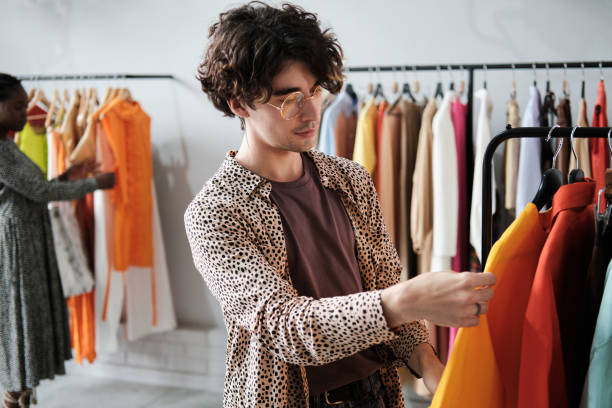
The fashion industry is the bustling machine that turns sketches into shelves, raw cotton into runway magic. It’s a global powerhouse employing over 300 million people, from Bangladeshi garment workers stitching seams at dawn to Milanese buyers negotiating silk trades at dusk.
This facet isn’t just factories and forecasts—it’s a complex ecosystem of design houses, manufacturers, retailers, and marketers. Think of it as the backbone: without it, the other facets would be mere daydreams. From haute couture ateliers in Paris to fast-fashion empires like Zara churning out 10,000 new styles a year, it’s where innovation meets commerce.
I’ve seen this up close during a summer internship at a small NYC design firm in 2015. We sourced fabrics from ethical mills in Peru, only to watch deadlines crush dreams when a shipment delayed. It taught me the industry’s raw edge—sustainable pushes clashing with profit margins, all while feeding our endless craving for the new.
Key Players in the Fashion Supply Chain
At its core, the supply chain flows from fiber farms to fitting rooms, each step a potential pivot point for ethics or excess.
- Raw Materials Producers: Farmers growing organic cotton in India or labs engineering lab-grown leather—sustainability starts here.
- Designers and Manufacturers: Visionaries like Stella McCartney sketching zero-waste patterns, handed to factories for cutting and sewing.
- Distributors and Retailers: Logistics wizards shipping via sea freight, landing in stores from H&M pop-ups to Net-a-Porter’s digital aisles.
This chain’s fragility shone during the 2020 pandemic shutdowns, when factories idled and brands pivoted to masks. It’s a reminder: The industry powers fashion, but it’s only as strong as its weakest link.
Style: Your Personal Signature in the Spotlight
Style is where fashion gets intimate—it’s not what the world dictates, but what you declare about yourself. Unlike fleeting trends, style is the enduring echo of your personality, a curated mix of pieces that feel like an extension of your skin.
It’s the quiet confidence in pairing heirloom pearls with ripped jeans, or the bold swagger of a monochromatic suit on a Monday morning. Style evolves with you, drawing from life’s chapters: that vintage denim jacket from a road trip, or the silk scarf knotted just so, a nod to your grandmother’s grace.
Let me share a chuckle-worthy low: In my early 20s, I tried “effortless chic” by layering every neutral I owned—beige on beige on boring. I looked like a walking sand dune. It took a friend’s blunt “You need color, not camouflage” to spark my shift toward earthy tones with pops of mustard yellow. Now, my style? Cozy maximalism—oversized knits with eclectic earrings. It’s mine, unapologetically.
Building Blocks of Timeless Personal Style
Crafting style isn’t rocket science; it’s about intention and play. Start small, layer memories.
- Core Wardrobe Staples: Invest in versatile heroes like a tailored trench or white button-down—they anchor endless outfits.
- Signature Accessories: A chunky watch or statement ring that whispers your vibe, no matter the ensemble.
- Fit and Proportion: Tailor what you have; nothing kills style faster than hems pooling at ankles.
Pros of honing your style: It saves money (fewer impulse buys) and boosts that inner glow. Cons? It demands patience—trial outfits can feel like therapy sessions gone wrong.
Aesthetic: The Visual Poetry of What We Wear
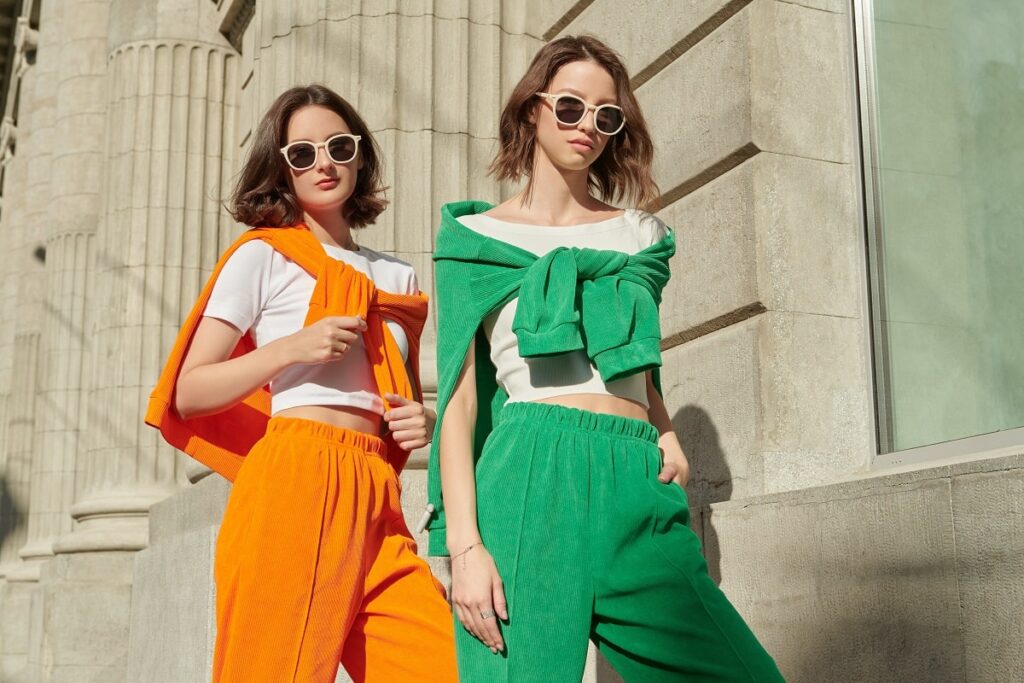
Aesthetic in fashion is the artistry, the sensory symphony of textures, colors, and forms that make an outfit sing. It’s the buttery drape of cashmere against skin, the electric clash of emerald green on cobalt blue, evoking emotion before a word is spoken.
This facet bridges the tangible and the evocative, turning clothes into mood boards for the soul. From the minimalist serenity of Scandinavian hygge layers to the opulent drama of Victorian lace revivals, aesthetics shape how fashion feels in the world.
I remember wandering the aisles of a London vintage shop in 2018, fingers tracing the velvet of a ’70s maxi dress. It wasn’t just fabric—it was a portal to bohemian freedom, the kind I’d chased through dusty festival fields in my teens. That purchase? A turning point, reminding me aesthetics aren’t superficial; they’re soul food.
Exploring Fashion’s Aesthetic Dimensions
Aesthetics unfold in layers, each inviting us to curate our canvas.
| Dimension | Description | Example in Action |
|---|---|---|
| Color Harmony | How hues interact to evoke calm or chaos. | Monochrome neutrals for understated elegance vs. jewel tones for festive flair. |
| Texture Play | The tactile dance of fabrics, from sleek satin to rugged tweed. | Layering linen with leather for boho-edge contrast. |
| Silhouette Flow | The body’s outline, sculpting presence. | A-line skirts for romantic whimsy or sharp shoulders for power. |
These elements aren’t rigid; mix them wildly for your aesthetic alchemy. The pro? It transforms routine dressing into daily delight. The con? Overthinking can paralyze—trust your gut over the grid.
Trends: The Wave We Ride or Reshape
Trends are fashion’s heartbeat—those electric shifts that sweep from TikTok virals to high-street racks, dictating what’s “now” for a season or a lifetime. They’re born in studios, amplified by influencers, and democratized by social scrolls.
But trends aren’t tyrants; they’re invitations to play, evolving from subcultures like ’80s punk ruffles reborn as 2025’s deconstructed collars. They reflect society’s mood: post-pandemic comfort cores or eco-warrior upcycled patches.
Flashback to 2023: I hopped on the “quiet luxury” trend, swapping logos for linen sets from a local seamstress. It felt luxurious, not performative—until a spill at brunch tested its “effortless” myth. Trends teach humility; they’re fun, but fleeting.
Spotting and Surfacing Lasting Trends
Navigating trends smartly means discernment over devotion. Here’s how to ride without drowning.
- Emerging Signals: Scan runway reports from Vogue or street-style snaps on Instagram—look for repeats across three sources.
- Adoption Cycles: Early adopters (designers) to mass market (Zara drops); time your entry for relevance.
- Sustainability Angle: Opt for trend-proof twists, like thrifting Y2K low-rise jeans in organic denim.
Pros of Embracing Trends: Fresh energy, social sync. Cons: Waste if you chase blindly—my closet’s full of “what was I thinking?” relics.
Trend vs. Timeless: A Quick Comparison
| Aspect | Trends | Timeless Pieces |
|---|---|---|
| Lifespan | 6-18 months | Decades |
| Risk Level | High (bold experiments) | Low (versatile anchors) |
| Cost Impact | Impulse-driven spends | Long-term value |
| Personal Fit | Fun for seasons | Builds authentic style |
Trends propel the industry, inspire aesthetics, and flavor your style—but they’re the spice, not the meal.
People Also Ask: Unpacking Common Fashion Curiosities
Ever Googled “what is fashion” and spiraled into related rabbit holes? Google’s People Also Ask section surfaces these gems, revealing what real folks ponder. Drawing from search data, here are four timely Q&As to expand our chat.
Why Is Fashion Important in Society?
Fashion weaves identity into the social fabric, signaling belonging or defiance. It drives economies (hello, $1.7 trillion U.S. retail slice) and sparks conversations on equity—like body positivity campaigns challenging norms. In my view, it’s a democratizer: Streetwear kings like Virgil Abloh elevated sneakers from courts to couture, proving fashion levels the cultural field.
What Are the Different Types of Fashion Styles?
From bohemian flow to minimalist edge, styles span eras and vibes. Key types include classic (tailored tweed), sporty (athleisure hybrids), romantic (lace and florals), and avant-garde (deconstructed drama). Mix them for hybrids—think sporty-romantic in a tennis skirt with chiffon blouse. Where to snag inspo? Pinterest boards or thrift apps like Depop.
How Has Fashion Evolved Over Time?
Fashion’s arc mirrors humanity’s: Ancient togas denoted rank, Victorian corsets enforced ideals, ’60s minis liberated legs. Today, it’s digital—NFT dresses and AI-generated prints. Evolution accelerates with globalization; K-pop’s influence birthed gender-fluid streetwear. For a deep dive, check Fashion History Timeline—it’s like a wardrobe time machine.
What Is the Difference Between Fashion and Style?
Fashion is the collective “what’s hot now,” per experts like Diana Vreeland: “Fashion is part of the daily air.” Style? That’s your spin, timeless and personal. Fashion fades; style endures. Transactionally, hunt best tools for style-building at Stitch Fix quizzes or The RealReal for pre-loved gems.
FAQ: Your Burning Fashion Questions Answered
Got queries bubbling up? Here are five real-user faves from forums like Reddit’s r/femalefashionadvice and Quora, answered with no-fluff honesty.
What Should Beginners Do to Start Understanding Fashion?
Dip toes gently: Audit your closet for what sparks joy, then follow five diverse accounts (e.g., @susiebubble for eclectic, @diet_prada for critique). Read “The Curated Closet” by Anuschka Rees—it’s a roadmap, not a rulebook. Pro tip: Shop secondhand first; it’s forgiving and fun.
How Can I Make Fashion More Sustainable in My Daily Life?
Swap fast buys for slow: Mend tears with a $10 kit, thrifting cuts waste by 80%. Brands like Patagonia lead with recycled lines. Personally? I host annual “clothing swaps” with friends—zero cost, all laughs, endless fresh looks.
What’s the Best Way to Develop a Personal Fashion Aesthetic?
Experiment solo: Mood-board inspirations on Canva, then test three outfits weekly. Mine bloomed from ’70s folk vibes after a Bob Dylan binge. Tools? Cladwell app curates capsules. Remember, your aesthetic isn’t set—it’s a living sketch.
Where Can I Find Affordable Yet Trendy Fashion Pieces?
Hunt smart: ASOS for under-$50 drops, or Facebook Marketplace for local steals. For quality, Uniqlo basics layer trends beautifully. My hack? Sales calendars—Black Friday yields 70% off without the guilt.
How Do Cultural Influences Shape Modern Fashion Trends?
Deeply: African prints fuel global streetwear, Japanese minimalism informs Scandi cool. TikTok’s #BokTok birthed cottagecore from British folklore. It’s a beautiful borrow—respect origins by crediting, like shoutouts to designers in posts.
There you have it—the four facets unpacked, from industry’s grind to trends’ thrill. Fashion isn’t a dictate; it’s your canvas. Next time you suit up, ask: What story am I telling today? Grab that bold scarf, laugh off the misfits, and step out. You’ve got this. What’s your take—which facet fires you up most? Drop a comment; let’s chat.