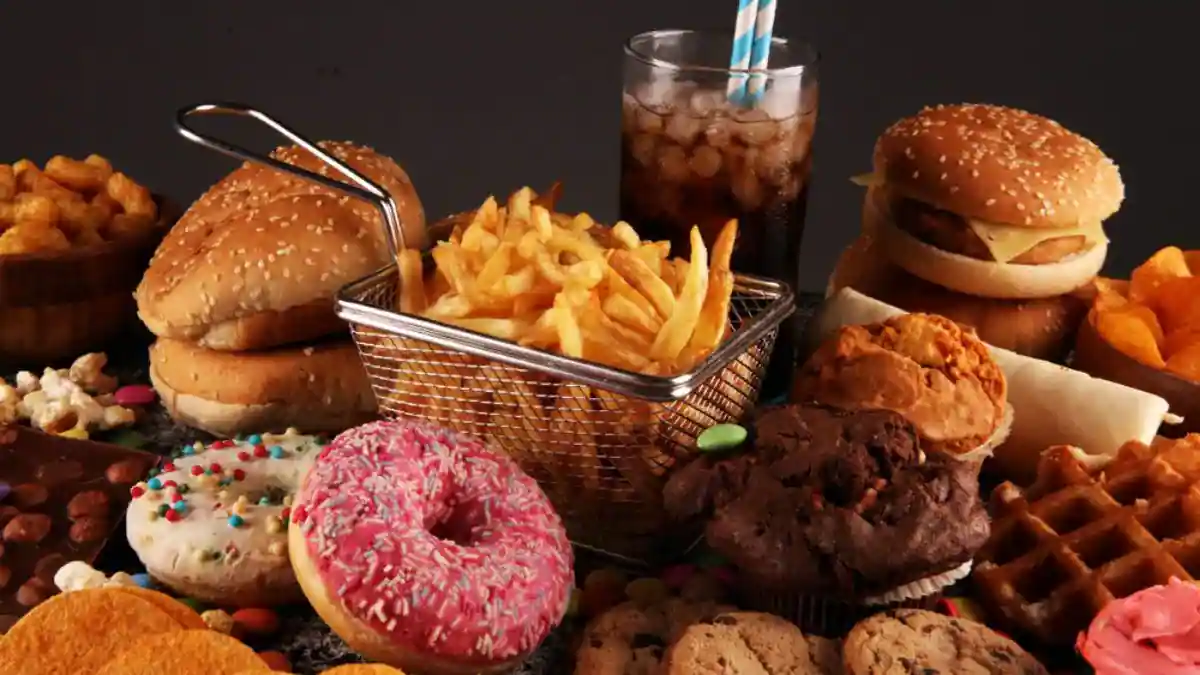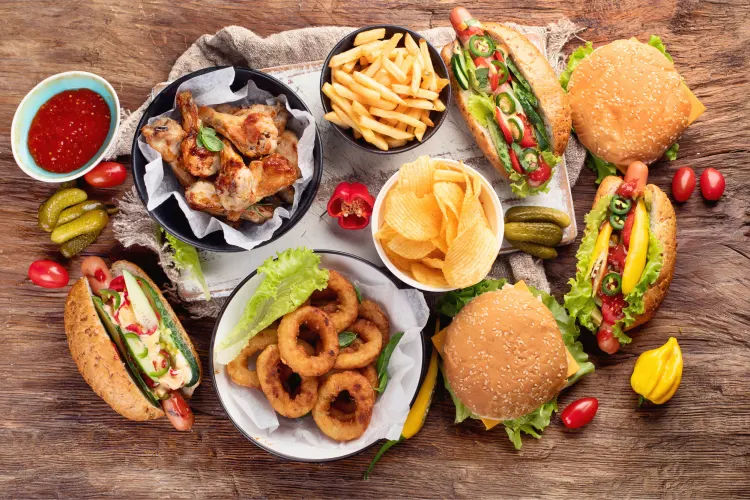
Hey there, fellow food wanderer. Picture this: It’s a crisp fall afternoon in upstate New York, where I grew up, and the air smells like woodsmoke and fresh cider. My dad, a no-nonsense mechanic with a soft spot for diners, drags me into this hole-in-the-wall spot off Route 17. He orders a plate of apple pie à la mode, steam rising from the flaky crust, and slides half onto my plate. “This,” he says with a grin, “is as American as it gets.” That memory hits me every time I bite into something that feels like home—comforting, unpretentious, born from a wild mix of cultures and landscapes. American food isn’t some fancy French sauce or precise Japanese sushi; it’s a big, bold mash-up of immigrant dreams, Native roots, and backyard barbecues. And today, we’re diving into the 20 greatest dishes that capture that spirit. These aren’t just meals—they’re stories on a plate, from smoky Texas brisket to creamy New England chowder. Grab a fork; let’s eat our way across the map.
What Makes a Dish “Great” in American Cuisine?
Great American dishes aren’t about perfection; they’re about heart, history, and that “aha” moment when flavors just click. Think of them as the ultimate road trip playlist—some tracks are classics everyone knows, others are deep cuts that surprise you. What ties them together? Innovation from necessity, like German immigrants tweaking sausages into hot dogs, or Southern cooks turning humble corn into soul-warming grits. They’re regional rebels, too: A burger in California might get an avocado twist, while one in Chicago hides cheese inside for a gooey Juicy Lucy vibe. And let’s not forget the emotional pull—these foods comfort us through heartbreaks, holidays, and hungover Sundays. As someone who’s chased food trucks from Portland to Philly, I can tell you: The best ones make you feel like you’re part of something bigger, a nation stitched together by shared bites.
The Melting Pot Magic: How American Food Evolved
America’s table is a glorious mess of influences, starting with Native Americans who gave us corn, beans, and squash—the “three sisters” that still anchor dishes like succotash. Then came the Europeans: English pies morphed into apple pie, Irish stews got a beefy American upgrade. African enslaved people brought okra and greens, turning them into collards simmered low and slow. Fast-forward to the 19th century, and waves of Italians, Germans, Chinese, and Mexicans fused their flavors—hello, pizza pie and Tex-Mex tacos. World Wars and the Great Migration spread it all further, while post-WWII suburbia birthed drive-thru icons. Today, it’s global yet grounded: Poke bowls from Hawaii meet Korean tacos in L.A. This evolution isn’t random; it’s resilient, born from folks making do with what the land (or corner store) offers. It’s why biting into a slice of key lime pie feels like sunshine, even in a snowstorm.
The 20 Greatest American Dishes, Ranked by Heart and Heat
I’ve ranked these not by some stuffy poll, but by that gut feeling—the ones that spark debates at family dinners or make you pull over on a cross-country drive. We’ll break ’em down by region for flow, with quick hits on origins, why they rock, and where to hunt ’em down. No fluff, just fire.
Northeast: Seafood and Hearty Handhelds
This corner of the country is all about the Atlantic’s bounty and immigrant grit. Cold winters demand warm, filling fare, and boy, do they deliver.
1. New England Clam Chowder
Creamy, briny perfection in a bowl, this soup’s roots trace to 18th-century fishermen who thickened clams with milk to stretch the catch. It’s not just food; it’s a hug from the sea—potatoes for bulk, bacon for smokiness, and clams that pop with every spoon. Manhattan’s tomato version? A spicy cousin, but the cream wins for comfort. I once slurped a bowl at Legal Sea Foods in Boston after a Red Sox game; the fog rolled in, and suddenly, everything felt right.
2. Philly Cheesesteak
Born in 1930s Philadelphia when a hot dog vendor swapped dog for thinly sliced ribeye, this sandwich is pure blue-collar poetry: Cheez Whiz (don’t @ me), provolone, or mozzarella oozing over onions and beef on a hoagie roll. It’s greasy, glorious, and customizable—add peppers for heat. Head to Pat’s King of Steaks, the OG spot, for the real deal; lines snake around the block, but that first bite? Worth every Philly minute.
3. Lobster Roll
Maine’s gift to the world: Chunks of chilled lobster meat lightly dressed in mayo (or butter for purists), piled into a toasted split-top bun. It exploded in popularity post-WWII when lobster shifted from “poor man’s protein” to luxury. Fresh from the trap, it’s sweet and tender—no fillers needed. Swing by Red’s Eats in Wiscasset for a butter-drenched version that drips down your chin, evoking summer shores and salty breezes.
4. Buffalo Wings
Teressa Bellissimo fried up these saucy drumettes at Anchor Bar in Buffalo, NY, in 1964—supposedly to sober up her son with a bar snack. Tossed in cayenne hot sauce and served with blue cheese (invented nearby), they’re fiery, addictive finger food. Game day essential. Pro tip: Hit Duff’s for originals; pair with celery sticks and a cold one for that perfect burn.
Mid-Atlantic: Deli Delights and Crab Feasts
From Chesapeake Bay to the Big Apple, it’s immigrant fusion at its finest—Jewish delis meet seafood shacks.
5. Maryland Crab Cakes
Blue crabs from the bay, mixed with minimal filler (just enough mayo and Old Bay seasoning), broiled or fried to golden crisp. Native to the 1930s, they’re a testament to the region’s watery wealth. Lump meat shines; over-breaded versions are a sin. Faidley’s in Baltimore’s Lexington Market does ’em justice—eat on a picnic table with a Natty Boh beer, feeling the harbor’s hum.
6. Cobb Salad
Hollywood’s Brown Derby invented this in 1937: Chopped greens, bacon, avocado, chicken, tomatoes, eggs, and blue cheese in a tidy row, drizzled with vinaigrette. It’s a power lunch that looks like art but eats like a meal. Healthy-ish, yet indulgent. The Polo Lounge in Beverly Hills nods to it, but any Cali café nails the vibe.
South: Soul, Smoke, and Spice
The heartland of comfort, where African, Native, and European roots simmer into something transcendent. It’s slow-cooked love.
7. Fried Chicken
Southerners elevated Scottish frying techniques with West African spices in the 1700s—crispy, juicy perfection brined overnight. Popeyes vs. KFC? Nah, try Prince’s Hot Chicken Shack in Nashville for heat levels that build character. Pair with waffles for that sweet-savory magic; it’s church on a plate.
8. Barbecue Brisket
Texas-style low-and-slow smoked beef, rubbed with salt and pepper, sliced against the grain. Cowboy roots from 19th-century cattle drives. The bark (crust) is key. Franklin Barbecue in Austin waits hours for, but that melt-in-mouth tenderness? Divine. Variations abound—Kansas City saucy, Memphis dry—but Texas owns the throne.
9. Shrimp and Grits
Gullah-Geechee origins in the 1700s: Creamy corn grits topped with sautéed shrimp in a bacon gravy. It’s Lowcountry luxury from humble beginnings. The Ordinary in Charleston serves a version that transports you to the marsh. Simple, yet it sings of resilience.
10. Red Beans and Rice
New Orleans Monday tradition since the 1700s: Slow-simmered kidney beans with andouille sausage, ham hock, and the “holy trinity” (onions, celery, bell peppers). Born from wash-day convenience. Jazz up with hot sauce. Dooky Chase’s keeps the Creole soul alive—eat while listening to live music.
11. Grits
Native American hominy ground into porridge, adopted by Southerners in the 1600s. Plain or cheesy, sweet or savory—versatile as heck. Breakfast staple. Try ’em at Mrs. Wilkes Dining Room in Savannah, served family-style with a side of stories.
12. Fried Okra
African slaves brought okra in the 1700s; Southerners battered and fried the pods for crunch. It’s like popcorn with a green twist. The Grit in Athens, GA, does veggie-forward versions that even carnivores crave.
13. Biscuits and Gravy
19th-century trucker fuel: Fluffy buttermilk biscuits smothered in sausage-studded white gravy. Comfort in every bite. Loveless Cafe outside Nashville bakes ’em fresh daily—pure bliss.
14. Jambalaya
Creole-Spanish fusion from 1700s New Orleans: Rice, sausage, shrimp, and veggies in a one-pot wonder. Spicy, hearty. K-Paul’s Louisiana Kitchen amps the Cajun heat.
15. Banana Pudding
Southern dessert from the 1900s: Vanilla wafers, bananas, and custard, topped with meringue. Like a trifle’s chill cousin. Magnolia Bakery in NYC popularized it, but The Milk Bar twists it modern.
Midwest: Meat and Potatoes with a Twist
Heartland heft—farming roots mean big portions and bold flavors.
16. Chicago Deep-Dish Pizza
Ike Sewell baked this pie in 1943: Thick crust, cheese first, then sausage and sauce. It’s casserole-meets-pizza. Lou Malnati’s in Chicago slices it like cake—worth the wait.
17. Meatloaf
1930s Depression-era loaf of ground meat, breadcrumbs, and ketchup glaze. Homey heroism. Blue Plate Diner in Kansas City serves a classic with mashed potatoes.
West and Southwest: Bold Bites and Fresh Fusion
Sun-soaked innovation meets spice.
18. California Roll
1970s L.A. invention: Rice outside, crab, avocado, cucumber inside. Sushi for skeptics. Sugarfish keeps it pristine.
19. Green Chile Cheeseburger
New Mexico’s Hatch chiles melt into beef since the 1940s. Fiery, juicy icon. Miller’s Pub in Albuquerque roasts ’em right.
20. Poke Bowl
Hawaiian raw fish salad, pre-colonial roots: Ahi tuna, rice, seaweed. Fresh and customizable. Ono Seafood in Honolulu does it street-style.
Regional Variations: Why One Dish, a Thousand Tastes?
American food thrives on tweaks—same base, endless spins. Take the hamburger: Born from 1880s German “Hamburg steak,” it hit buns at the 1904 St. Louis World’s Fair. Now? California’s avocado-topped, Texas’s onion-ring-stacked, Hawaii’s teriyaki-glazed. Or chili: Texas no-beans purist vs. Cincinnati’s spaghetti-topped sky-high. These variations aren’t rebellion; they’re adaptation, like how my grandma’s apple pie uses Michigan tart apples while a Southern one goes honey-sweet. They keep classics alive, reflecting who’s wielding the spatula.
| Dish | Northeast Twist | Southern Spin | Western Vibe |
|---|---|---|---|
| Burger | Bacon, cheddar, local brioche | Pimento cheese, fried green tomatoes | Avocado, sprouts, quinoa bun |
| Chili | Bean-heavy, mild spices | Venison or turkey, cornbread side | Vegan jackfruit, craft beer infusion |
| Apple Pie | Lattice crust, sharp cheddar slice | Deep-dish, bourbon caramel | Lattice with lavender, vegan crust |
This table shows how geography and culture remix the hits—practical for your next cookout.
Pros and Cons of Iconic American Eats
No dish is flawless; here’s the real talk on a few faves.
Hamburger
- Pros: Versatile (veggie, turkey options), quick grill, endless toppings for personalization. Budget-friendly protein punch.
- Cons: Can be greasy overload; fast-food versions pack sodium. Overhyped chains dilute the backyard magic.
Fried Chicken
- Pros: Crispy joy, pairs with anything (waffles? Yes). Cultural staple for gatherings.
- Cons: Deep-fry guilt; sourcing ethical birds matters. Heat levels can sneak up!
Barbecue Brisket
- Pros: Low-effort melt, feeds crowds. Smoke infuses soul.
- Cons: Hours-long cook; regional sauce wars spark feuds. Leftovers? Rare.
These lists cut through hype—eat smart, savor deep.
People Also Ask: Quick Bites on American Classics
Pulled straight from the search wilds, these questions pop up when folks hunt for “greatest American dishes.” Let’s unpack ’em fast.
What is the most popular American dish?
Hamburgers top the charts, per YouGov polls—eaten by 70% of us weekly. It’s the ultimate crowd-pleaser: Juicy, handheld, customizable. From In-N-Out’s animal-style to Shake Shack’s ShackBurger, it’s democracy on a bun. Fun fact: We consume 50 billion yearly.
What are some truly American foods that originated in the US?
Think buffalo wings (1964, NY), chocolate chip cookies (1930s, MA), and s’mores (1927 Girl Scouts). They’re inventions from necessity—wings from bar scraps, cookies from Toll House butter mishaps. No old-world roots here; pure Yankee ingenuity.
Where to get the best classic American food?
Northeast: Legal Sea Foods for chowder. South: Franklin Barbecue for brisket. Midwest: Lou Malnati’s for deep-dish. West: Red’s Eats for lobster rolls. Road trip it—diners beat chains every time.
What makes American food unique compared to other cuisines?
It’s the mash-up: Native corn meets Italian pasta in mac ‘n’ cheese, German sausages become hot dogs. Regional riffs and portion sizes scream abundance. Unlike precise French or balanced Japanese, it’s bold, forgiving, and fun—forged in melting pots, not palaces.
FAQ: Your Burning Questions on American Dishes
Got queries? I’ve fielded these from road-trippers and recipe hunters alike.
How do I make authentic Southern fried chicken at home?
Brine chicken overnight in buttermilk and hot sauce, dredge in seasoned flour (paprika, garlic powder), fry at 350°F till golden. Drain on a rack. Takes practice, but that crunch? Life-changing. Pro: Use cast iron for even heat.
What’s the difference between Texas BBQ and Carolina BBQ?
Texas: Beef brisket, post-oak smoke, sauce on side—simple rub rules. Carolina: Pork shoulder, vinegar-based sauce (Eastern) or tomato-mustard (SC)—pulled and tangy. Both epic; pick your poison by pork vs. beef loyalty.
Are there healthy twists on classic American dishes?
Absolutely—swap fries for baked sweet potato wedges on burgers, grill instead of fry chicken, load salads with greens in chili. Poke bowls are naturally light. Focus on fresh: Farmers’ markets elevate everything.
Why isn’t pizza considered “American” despite its popularity?
It started in Naples, but Chicago deep-dish and NY thin-crust are U.S. riffs. We own the toppings game (pineapple, anyone?). Still, purists say it’s Italian-American fusion—debate fuel for your next party.
Best tools for cooking these regional recipes?
A cast-iron skillet for everything Southern, smoker for BBQ, sharp chef’s knife for salads. For beginners, All-Clad pans handle heat like a champ. Don’t sleep on a good thermometer—overcook brisket once, and you’ll never forget.
There you have it—20 dishes that pulse with America’s beat, from salty shores to spicy plains. These aren’t frozen TV dinners; they’re invitations to connect, create, and maybe start your own family lore. Next time you’re firing up the grill or stirring a pot, think of that pie my dad shared. What’s your twist? Hit the road, taste the tale, and remember: Food’s best when it brings us together. What’s one dish calling your name? Drop a comment—I’d love to swap stories.