Hey there, grab a seat—maybe with a crisp apple instead of that bag of chips calling your name. I’m Sarah, a mom of two who’s spent the last decade wrangling my family’s love affair with drive-thru burgers and midnight cookie raids. Back in my twenties, I was the queen of late-night pizza deliveries, convinced that “balance” meant a salad chaser the next day. Spoiler: It didn’t. A wake-up call came when my energy tanked and my jeans started staging a full rebellion. Now, after digging deep into nutrition books, chatting with dietitians, and trial-and-erroring my way to better habits, I’ve learned junk food’s siren song is real—but so is the path to outsmarting it. Let’s unpack this together, no judgment, just real talk on why it’s everywhere, what it’s doing to us, and how to swap it out without feeling deprived.
What Exactly Counts as Junk Food?
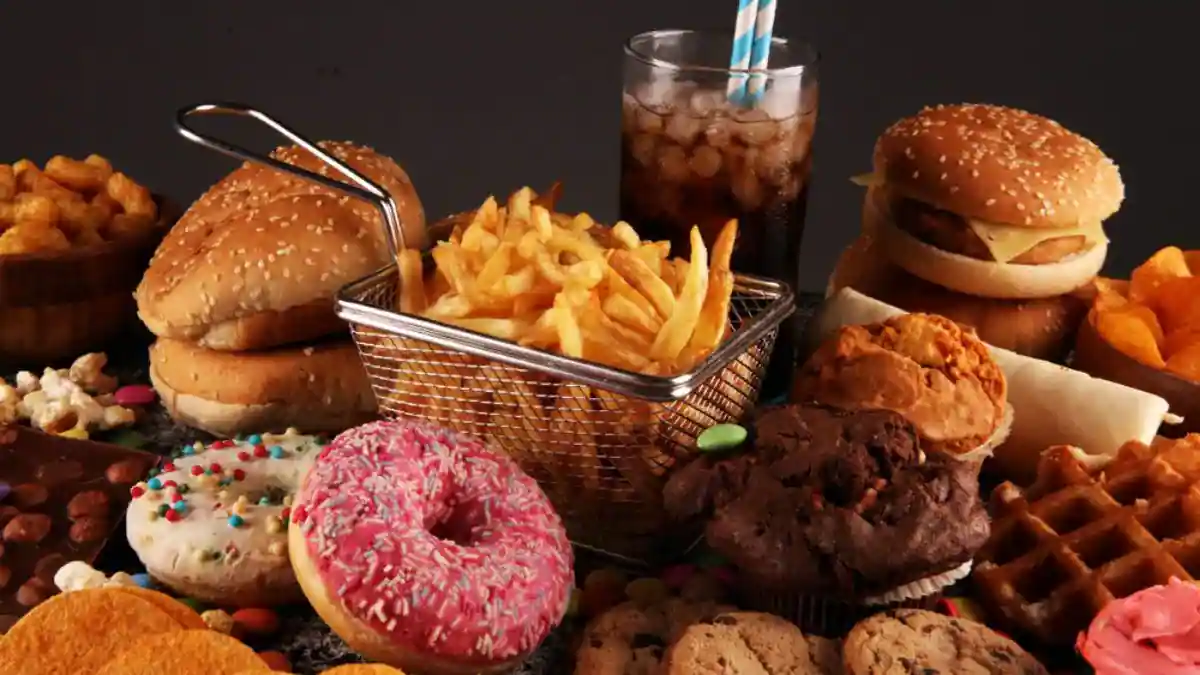
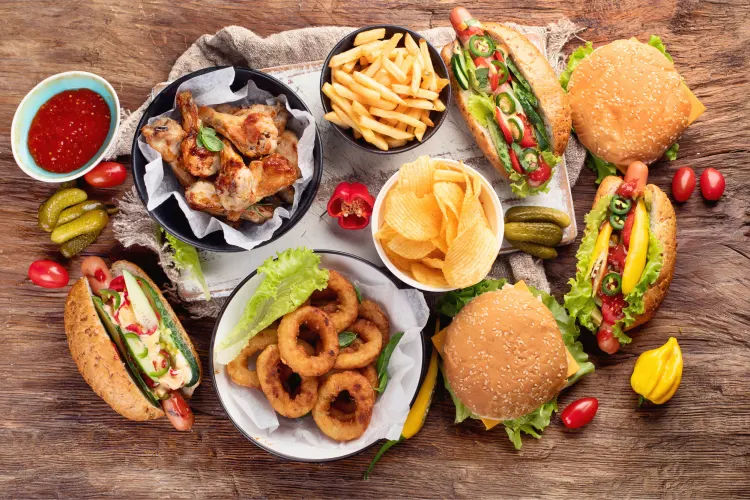
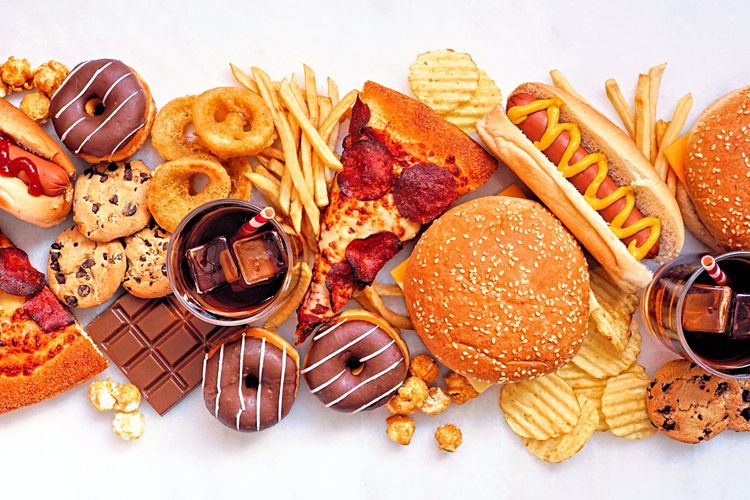
Picture this: You’re staring down a vending machine, stomach growling after a long meeting. That neon-lit candy bar whispers promises of instant joy. But is it junk? At its core, junk food is stuff packed with calories from sugar, salt, and unhealthy fats, but skimpy on the good stuff like vitamins, fiber, and protein. Think chips, sodas, fast-food fries—not because they’re evil, but because they deliver a quick hit without fueling you long-term. The term popped up in the 1970s, thanks to a microbiologist named Michael Jacobson who wanted to spotlight how these ultra-processed bites were sneaking into our diets. It’s not about shaming your cravings; it’s about spotting the trap.
Ultra-processed foods, as experts call them, make up about 60% of what the average American eats—yep, that’s a stat from recent surveys showing how they’ve hijacked our plates. They’re engineered in labs for that perfect crunch or melt, using cheap ingredients like refined flours and high-fructose corn syrup. Remember my story? I’d polish off a family-size bag of pretzels thinking it was “just a snack.” Turns out, it was more empty promise than sustenance.
The Sneaky History of Junk Food
Flash back to the late 1800s: America’s buzzing with factories, folks ditching farms for cities, and suddenly, convenience becomes king. Enter Cracker Jack in 1893 at the Chicago World’s Fair—a sticky mix of popcorn, peanuts, and molasses that hooked fairgoers with its prize-in-every-box gimmick. It wasn’t long before white flour mills cranked out cheap, shelf-stable goodies, birthing the junk food era. By the 1950s, post-war boom meant drive-ins and diners slinging burgers faster than you could say “supersize.”
Fast-forward, and global giants like McDonald’s turned it into a $700 billion industry by 2022, with sales climbing as brands eye emerging markets from Ghana to Brazil. It’s clever marketing at play—those ads aren’t accidents; they’re science-backed hooks. I chuckle now remembering my kid’s obsession with cartoon-character cereals. History shows us it’s not just food; it’s a cultural shift from home-cooked to grab-and-go.
Why Junk Food Feels Like a Hug (But Isn’t)
Ever wonder why that first bite of doughnut lights up your brain like fireworks? Blame evolution. Our ancestors craved calorie-dense foods for survival, and junk food hijacks that wiring with hyper-palatable combos of fat, sugar, and salt—think the “bliss point” food scientists chase for maximum addiction. It’s no coincidence; companies spend billions engineering it to vanish in your mouth, leaving you reaching for more. Add dopamine rushes akin to a slot machine win, and you’ve got a recipe for overeating.
But here’s the emotional kicker: In my stressed-out mom days, junk was my comfort blanket after chaotic bedtimes. It felt like self-care, until the crashes left me irritable and foggy. Humor me—it’s like dating a bad ex: Thrilling at first, regretful later. Today’s stats? Nearly half of U.S. adults’ calories come from these sources, with sugar-sweetened drinks alone spiking 75% of added sugars. We’re wired for it, but awareness is the first step to breaking free.
The Health Toll: What Junk Food Steals from You
Start with the gut punch: Obesity rates have tripled since 1975, fueled partly by these empty calories. A single fast-food meal can pack a day’s worth of sodium, hiking blood pressure and heart disease risk. I felt it personally—constant bloating and fatigue after my junk binges. Studies link regular intake to type 2 diabetes, with blood sugar spikes turning into crashes that mess with your mood and focus.
It’s not just physical. That “reward” hit? It rewires your brain, mimicking addiction and upping depression odds by 40% in heavy consumers. Kids aren’t spared; Australian teens get 40% of energy from junk, stunting growth and spiking cholesterol. And fertility? Emerging research ties it to lower sperm quality and hormonal havoc. The real gut-twister: Five days of junk can impair muscle glucose use, paving the way for insulin resistance. It’s a slow steal, but oh-so-effective.
Short-Term Effects You Feel Right Away
Bloating hits like clockwork after fries—thanks to low fiber and high salt pulling water into your system. Energy yo-yos leave you sluggish by afternoon, and that post-sugar headache? Classic.
Sleep suffers too; caffeine-laced sodas disrupt rest, turning you into a zombie parent (guilty as charged). Skin flares from inflammation, and let’s not forget the guilt spiral—emotional whiplash no one needs.
Long-Term Risks That Build Quietly
Heart disease looms large, with saturated fats gunking arteries and sodium straining vessels. Cancer links emerge from preservatives and charred meats in processed bites. Dementia risk climbs as vascular damage starves the brain. For women, fertility dips; for all, early death odds rise 62% with ultra-processed dominance. It’s generational—my kids’ habits now shape their future.
Stats That Hit Home: Junk Food by the Numbers
Let’s crunch some eye-openers from 2025 data. Globally, fast food sales hit $731 billion in 2022, projected to soar as chains invade new markets. In the U.S., 36.6% of adults grab it daily, with higher earners (42%) leading the pack—ironic, right?
| Demographic | % Eating Fast Food Daily | Key Insight |
|---|---|---|
| Overall U.S. Adults | 36.6% | 1-3 times/week for most |
| Low-Income | 31.7% | Less access, but still prevalent |
| High-Income | 42% | Convenience trumps cost |
| Teens (14-18) | 40% energy from junk | Stunting growth risks |
| Non-Hispanic Black Adults | Highest sugar/sodium | 26.7g daily from SSBs |
These numbers aren’t abstract—47% of our energy comes from junk sources, packing 75% of sugars and 46% sodium. In Romania, 60% of 18-23-year-olds munch it weekly, tying to higher BMI. It’s a wake-up: We’re feeding convenience over vitality.
Pros and Cons: Is There Ever a Place for Junk?
Balance is key—no one’s banning birthday cake. But let’s weigh it honestly.
Pros:
- Quick energy boost for busy days (hello, road trips).
- Social glue—sharing fries builds bonds.
- Affordable treat; a $1 candy beats gourmet stress.
Cons:
- Empty calories lead to weight creep and crashes.
- Addiction risk rewires cravings for more.
- Long-haul hits: Diabetes, heart woes, mental fog.
In moderation? Sure, like my occasional ice cream date night. But daily? It’s like borrowing from tomorrow’s health account.
Craving-Busters: Healthy Swaps That Don’t Suck
Tired of “eat a carrot” advice? Me too. Here’s where it gets fun—swaps that mimic the crunch, sweetness, or salt without the regret. I started small: Air-popped popcorn dusted with herbs instead of buttery microwave bags. Game-changer.
- Chips Craving: Bake kale or zucchini slices with olive oil spray and sea salt. Crispy, low-cal, and guilt-free.
- Soda Fix: Sparkling water with muddled berries or a splash of kombucha—fizzy joy minus 40g sugar.
- Candy Rush: Dark chocolate-covered almonds (70% cocoa)—antioxidants meet indulgence.
- Fries Frenzy: Sweet potato wedges roasted with paprika. Fiber-packed and satisfying.
For kids, fruit “nachos”—apple slices topped with yogurt and nuts—turn snack time into play. Pro tip: Stock your fridge like a swap station; my “emergency kit” saved many a Netflix binge.
Sweet Tooth Tamers
Frozen banana “nice cream” blended with peanut butter fools the brain into sundae bliss. Greek yogurt parfaits with chia seeds and honey? Creamy, protein-powered heaven.
Salty Snack Saviors
Roasted chickpeas tossed in turmeric—nutty crunch without the oil bath. Or edamame pods sprinkled with chili flakes for that pop-in-mouth thrill.
On-the-Go Heroes
Trail mix with seeds over candy bars, or cheese sticks paired with cherry tomatoes. Portable, filling, and way kinder to your wallet.
Where to Score Healthy Snacks Without Breaking the Bank
Navigational intent? Hit up Trader Joe’s for affordable grabs like their roasted seaweed snacks or frozen edamame. Whole Foods’ bulk bins let you mix custom trail mixes cheap. Online, Thrive Market delivers organic swaps with subscriptions—think $5 kale chips that rival Doritos.
For transactional ease, apps like Instacart stock your “healthy junk” aisle: Quest bars for protein hits or LesserEvil popcorn for buttery vibes. Locally? Farmers’ markets for fresh dips like hummus that beat store-bought every time. My go-to: Costco’s giant Greek yogurt tubs—versatile and under $5.
People Also Ask: Real Questions, Straight Answers
Google’s “People Also Ask” pulls from what folks actually search—here’s the scoop on common curiosities.
Is fast food the same as junk food? Not always, but often overlaps. Fast food means quick-serve like tacos from a window; junk is the nutrient-poor stuff inside, like those loaded with HFCS. A grilled chicken wrap? Borderline healthy. Supersized fries? Pure junk.
Are junk foods addictive? Like a bad habit, yes—studies show they trigger brain responses similar to drugs, with 14% of adults showing binge-like eating. The fix? Mindful swaps and waiting 10 minutes; cravings often fade.
Why do we love junk food so much? Evolutionary hack: Our brains light up for fat-sugar-salt combos, amplified by marketing. It’s engineered bliss, but whole foods can compete with tweaks like herbs.
Can I eat junk food and still be healthy? In tiny doses, sure—80/20 rule: 80% nutrient-dense, 20% fun. But daily? Nah, it crowds out goodness and spikes risks. Balance with walks and greens.
What’s the worst junk food? Soda tops lists—liquid calories with zero satiety, linked to 10% of U.S. kids’ intake. Ditch it for infused water; your waistline thanks you.
FAQ: Your Burning Questions Answered
Q: How often is “too much” junk food?
A: Aim for less than 10% of daily calories—maybe one treat weekly. U.S. guidelines echo this; exceeding it risks obesity spikes. Track via apps like MyFitnessPal for clarity.
Q: Does junk food affect kids differently?
A: Absolutely—40% of their energy from it stunts growth and boosts ADHD risks. Swap with fun plates; my picky eater loves “rainbow skewers” of veggies.
Q: Best tools for ditching junk cravings?
A: Meal prep Sundays with swaps, plus apps like Noom for mindset shifts. Herbal teas curb sweet urges; I’ve sworn by chamomile post-dinner.
Q: Can occasional junk undo my workouts?
A: One burger won’t, but patterns do. Pair indulgences with extra steps—balance, not perfection.
Q: Where to learn more on balanced eating?
A: Check Harvard’s Nutrition Source for evidence-based tips, or CDC’s healthy eating guide for practical plans.
Whew, we’ve covered the highs (that dopamine rush), lows (the health hits), and escapes (those sneaky swaps). My journey from junk fiend to balanced eater? It’s messy, full of slip-ups—like that family pizza night last week—but empowering. You’re not alone in this; small swaps stack up to big wins. What’s one craving you’ll tackle first? Drop it in the comments—let’s cheer each other on. Your future self (energized, lighter, happier) is rooting for you.