Watering indoor plants seems simple, but it’s an art and a science that can make or break your green friends. I learned this the hard way when my first peace lily, lovingly named Lily McLeaferson, drooped dramatically after I drowned her in enthusiasm (and water). Getting it right means understanding your plants’ unique needs, your home’s environment, and a few tried-and-true techniques. This guide will walk you through everything you need to know to keep your indoor plants thriving, from spotting signs of thirst to choosing the best watering tools.
Why Proper Watering Matters
Overwatering and underwatering are the top reasons indoor plants meet an untimely end. Proper watering ensures plants get the moisture they need for photosynthesis, nutrient absorption, and growth without drowning their roots or leaving them parched. Think of it like feeding a pet—too much or too little, and you’ve got a problem. Let’s dive into how to get it just right.
The Consequences of Overwatering
Overwatering suffocates roots, leading to rot and fungal issues. You might notice yellowing leaves, a soggy pot, or a funky smell. I once overwatered a succulent, thinking it needed daily TLC, only to find it mushy and sad.
The Risks of Underwatering
Underwatering starves plants, causing wilted leaves, stunted growth, or crispy edges. My first cactus taught me this lesson when it shriveled after weeks of neglect. Balance is key—plants aren’t camels, but they’re not goldfish either.
Understanding Your Plant’s Watering Needs
Every plant has its own personality, and watering needs vary widely. A snake plant can go weeks without a drink, while a calathea demands consistent moisture. Researching your plant’s preferences is like learning a friend’s coffee order—it takes a little effort but pays off.
Factors That Affect Watering
Several variables influence how much water your plant needs:
- Plant Type: Succulents need less water than tropical plants like ferns.
- Pot Size and Material: Small pots dry out faster; terracotta wicks moisture away quicker than plastic.
- Light and Humidity: Bright light and low humidity increase water needs.
- Season: Plants often need less water in winter when growth slows.
Common Indoor Plant Watering Needs
Here’s a quick guide to watering some popular indoor plants:
| Plant Type | Watering Frequency | Notes |
|---|---|---|
| Snake Plant | Every 2–4 weeks | Let soil dry out completely. |
| Monstera | Every 1–2 weeks | Keep soil lightly moist. |
| Pothos | Every 1–2 weeks | Water when top inch of soil is dry. |
| Fern | Every 5–7 days | Loves humidity; keep soil moist. |
| Succulents | Every 2–3 weeks | Sparse watering; avoid soggy soil. |
How to Water Indoor Plants Properly
Watering isn’t just dumping water into a pot—it’s about technique, timing, and tools. Here’s how to do it like a pro.
Step 1: Check the Soil
Before watering, stick your finger an inch into the soil. If it’s dry, your plant is likely thirsty. For plants like succulents, wait until the soil is bone-dry. I’ve saved many plants by adopting this simple “finger test” instead of guessing.
Step 2: Water Evenly and Thoroughly
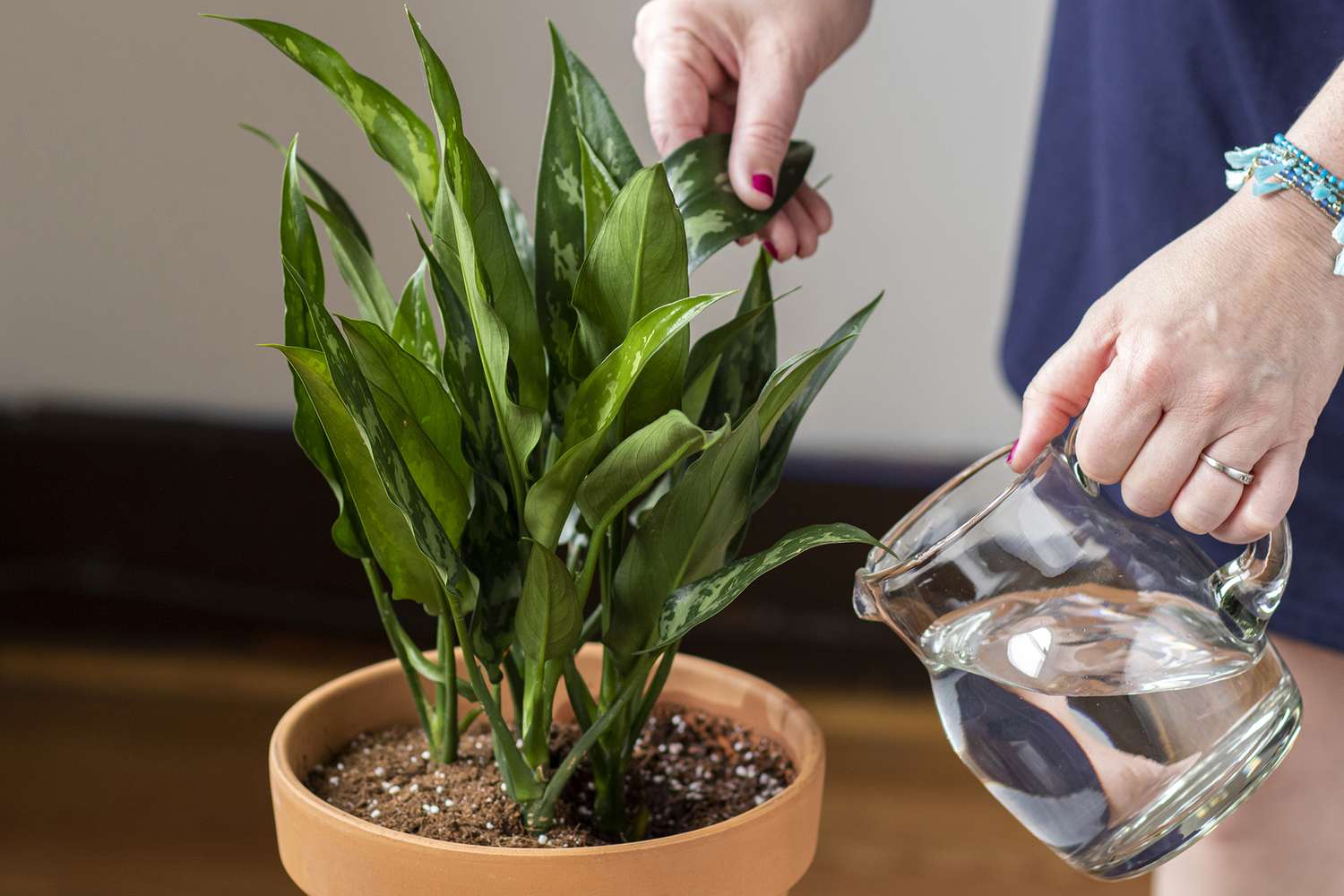
Pour water slowly and evenly around the soil until it starts to drain from the bottom. This ensures roots get enough moisture without pooling. Avoid splashing leaves, as wet foliage can invite pests or mold.
Step 3: Drain Excess Water
Never let your plant sit in a puddle. Empty the saucer under the pot after 30 minutes to prevent root rot. My peace lily’s revival began when I stopped letting her soak in a waterlogged tray.
Step 4: Adjust Based on Environment
If your home is dry (hello, winter heating!), you might need to water more often or mist humidity-loving plants. Conversely, a humid bathroom might mean less frequent watering for your fern.
Best Tools for Watering Indoor Plants
The right tools make watering easier and more effective. Here are some top picks:
- Watering Can with a Long Spout: Perfect for precise pouring. The Haws Indoor Watering Can (available on Amazon) is a favorite for its sleek design and control.
- Moisture Meter: Takes the guesswork out of soil checks. The XLUX Soil Moisture Meter is affordable and reliable.
- Self-Watering Pots: Great for forgetful plant parents. Brands like Lechuza offer stylish options.
- Spray Bottle: Ideal for misting humidity lovers like calatheas.
Pros and Cons of Watering Tools
| Tool | Pros | Cons |
|---|---|---|
| Watering Can | Precise, easy to use | Can be bulky for small spaces |
| Moisture Meter | Accurate, beginner-friendly | Requires batteries or maintenance |
| Self-Watering Pots | Low maintenance, consistent | Expensive, not ideal for all plants |
| Spray Bottle | Great for humidity | Time-consuming for large plants |
Common Watering Mistakes to Avoid
Even seasoned plant parents make mistakes. Here’s what to watch out for:
- Sticking to a Rigid Schedule: Plants don’t care about your calendar. Check the soil instead.
- Using Cold Water: Room-temperature water is best to avoid shocking roots.
- Ignoring Drainage: Pots without drainage holes are a recipe for disaster.
- Overcompensating: If you underwater, don’t flood the plant to “make up for it.”
I once poured ice-cold water on my fiddle leaf fig in a panic, only to watch it drop leaves in protest. Lesson learned: patience and moderation win.
Watering Different Types of Indoor Plants
Not all plants drink the same way. Here’s a breakdown of how to water common categories.
Tropical Plants (e.g., Monstera, Calathea)
These jungle natives love consistent moisture. Water when the top inch of soil feels dry, and consider misting to boost humidity. A pebble tray with water can also help.
Succulents and Cacti
These desert dwellers need infrequent but deep watering. Let the soil dry out completely between sessions, and never let water sit in their pots.
Low-Light Plants (e.g., Snake Plant, ZZ Plant)
These hardy plants tolerate neglect but still need occasional water. Check the soil every couple of weeks and water sparingly.
Seasonal Watering Adjustments
Plants’ needs change with the seasons. In spring and summer, active growth means more frequent watering. In fall and winter, most plants slow down, so reduce watering by 20–30%. My monstera gets a drink every 10 days in summer but stretches to 2–3 weeks in winter.
Tips for Seasonal Watering
- Spring/Summer: Check soil weekly; increase humidity for tropicals.
- Fall/Winter: Water less often; avoid cold drafts near plants.
- Monitor Light Changes: Less daylight in winter may mean less water needed.
People Also Ask (PAA) Section
Here are answers to common questions from Google’s “People Also Ask” feature:
How Often Should I Water Indoor Plants?
It depends on the plant, pot, and environment. Check the soil’s top inch—if it’s dry, water thoroughly. Most plants need water every 1–2 weeks, but succulents can go longer.
What’s the Best Time of Day to Water Indoor Plants?
Morning is ideal. It gives plants time to absorb water before evening, reducing the risk of fungal issues. I water my plants while sipping my morning coffee—it’s a ritual!
Can I Use Tap Water for Indoor Plants?
Yes, but let tap water sit for 24 hours to allow chlorine to evaporate. If your water is hard, consider filtered water to prevent mineral buildup.
How Do I Know If I’m Overwatering?
Look for yellow leaves, soggy soil, or a musty smell. A moisture meter or the finger test can help you gauge if you’re overdoing it.
FAQ Section
How Can I Tell If My Plant Needs Water?
Stick your finger an inch into the soil. If it’s dry, it’s time to water. Wilting leaves or drooping stems are also signs, but don’t wait for those—check the soil first.
Should I Mist My Indoor Plants?
Some plants, like ferns and calatheas, love misting for extra humidity. Others, like succulents, don’t need it. Misting is a supplement, not a substitute for proper watering.
What’s the Best Watering Can for Indoor Plants?
A can with a long, narrow spout, like the Haws Indoor Watering Can, offers precision. Look for one with a 1–2 liter capacity for ease of use.
Can Overwatering Be Fixed?
Yes, if caught early. Stop watering, let the soil dry out, and ensure proper drainage. Trim any rotten roots and repot if needed. My peace lily bounced back after I fixed my overwatering habit.
Where Can I Buy Watering Tools?
Check online retailers like Amazon for watering cans and moisture meters. Local garden centers or stores like Home Depot also carry quality tools.
Final Thoughts
Watering indoor plants is less about rigid rules and more about understanding your plants’ unique needs. By checking the soil, using the right tools, and adjusting for your environment, you’ll keep your green friends happy and healthy. My journey from plant killer to plant whisperer started with simple steps like these, and now my home is a thriving jungle. Grab a watering can, get to know your plants, and enjoy the process—it’s as rewarding as watching them grow.