Hey there, fellow wanderlust chaser. Picture this: You’re standing on the sun-drenched deck of a grand old ship reborn, the salty breeze whipping through your hair as the South China Sea sparkles like a promise of adventure. That’s the magic of cruising, and right now, it’s hitting China harder than a typhoon in summer. As someone who’s chased sunsets from the Yangtze to the fjords of Norway—my first gig was as a deckhand on a ferry out of Oslo back in the ’90s, dodging icebergs and dreaming of warmer waters—I’ve seen how partnerships like the one between V.Ships Leisure and Sanya International Cruise Development (SICD) can turn a sleepy port into a throbbing hub of global travel. This isn’t just business; it’s the kind of collaboration that breathes life into dreams, blending Western know-how with Eastern ambition. Let’s dive in, shall we? I’ll walk you through what this means for cruisers, crews, and the industry at large, with a few laughs along the way because, let’s face it, who hasn’t mistaken a lifeboat drill for a conga line?
The Rise of V.Ships Leisure in the Global Cruise World
V.Ships Leisure isn’t your average ship manager—they’re the unsung heroes keeping the floating palaces afloat, from crewing to tech upgrades, all while sipping coffee in boardrooms that smell like diesel and determination.
Founded as part of the V.Group empire in the ’80s, they’ve grown into the go-to for over 100 vessels worldwide, boasting a crew network bigger than most small navies—10,000 strong and counting. Their secret sauce? A “plug-and-play” model that lets startups hit the waves without reinventing the wheel.
Enter China’s Cruise Boom: Why Now?
China’s cruise market is exploding faster than popcorn in a microwave, projected to hit 13 million passengers by 2026, up from a measly 1.6 million pre-pandemic. It’s like the country woke up one day and said, “Why sail to Europe when we can build our own floating utopias?”
Urban millennials and retirees alike are ditching bullet trains for buffets at sea, fueled by rising incomes and a thirst for experiential travel. But here’s the kicker: Domestic lines need partners who get the nuances—think bilingual crews and menus that mix dim sum with deck parties.
Unpacking the V.Ships-SICD Partnership: Ships, Tech, and a Dash of Drama
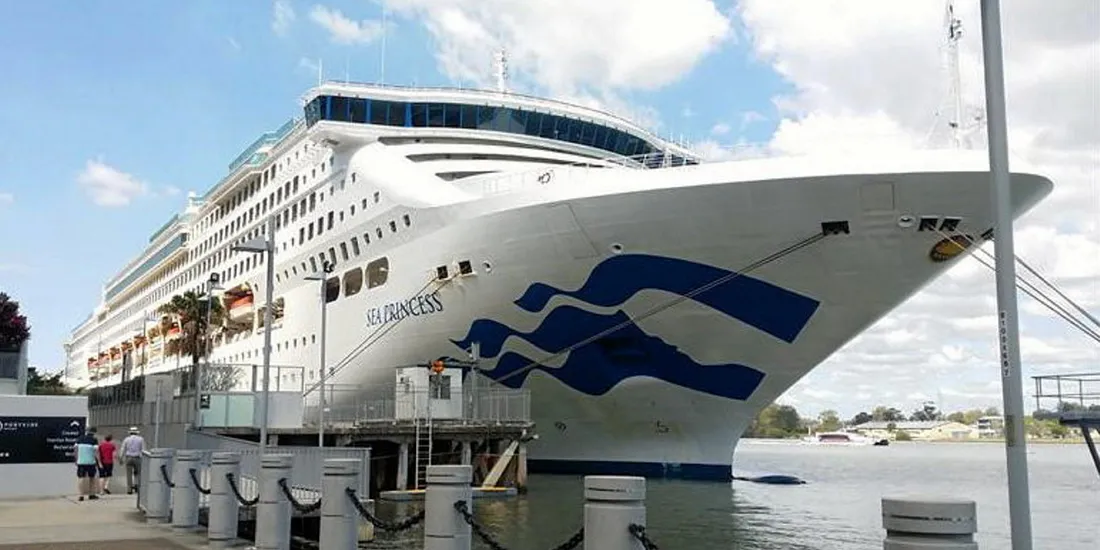
In late 2020, amid the chaos of COVID lockdowns, SICD tapped V.Ships Leisure and their hospitality arm, Oceanic Catering, to overhaul the Charming—once the Sea Princess, a Carnival castoff now reimagined for tropical isles. The handover in Manila was a remote tango, with virtual handshakes and quarantined crews, but it worked like a charm (pun intended).
V.Ships brought their ShipSure 2.0 digital wizardry onboard, turning data into dollars with predictive maintenance that spots a leaky faucet before it floods the galley. For SICD, a Hainan-based upstart eyeing Sanya’s pristine bays as their playground, this meant seamless ops from day one.
This isn’t their first rodeo in China; remember Piano Land for Twinkle Travel in Xiamen? That was 2019, and it proved V.Ships could source local talent while enforcing global safety nets. As Per Bjornsen, V.Ships’ CEO, put it with that Norwegian straightforwardness, “We’re not just managing ships; we’re incubating dreams.” I chuckled reading that—reminds me of my old captain, who called every refit “a controlled explosion of optimism.”
The Vessel at the Heart: Charming’s Makeover Magic
Charming clocks in at 77,499 gross tons, with room for 2,000+ guests across 10 decks of refurbished glory—think spas that rival Bangkok’s best and theaters echoing with K-pop covers.
The refit swapped tired carpets for sleek teak, added balcony suites for that Instagram glow, and installed eco-filters to keep the reef happy. V.Ships oversaw it all, from hull inspections to crew drills, ensuring she sails greener than a panda’s lunch.
Handover hiccups? Sure—COVID quarantines turned a two-week job into a month-long puzzle. But V.Ships’ global network mobilized Filipino and Indian talent faster than you can say “all hands on deck.”
Tech That Keeps the Party Afloat
ShipSure 2.0 isn’t sexy, but it’s the backbone: Real-time engine diagnostics, crew scheduling via app, even ESG tracking for those carbon-conscious voyages. For SICD, it’s like handing a novice driver a self-parking Tesla.
Integrated with Oceanic’s hotel ops, it unifies everything from linen counts to laundry loads. One glitch I heard about? Early software synced clocks wrong, turning dinner at 7 into a midnight feast—guests loved the “surprise supper,” but the chef? Not so much.
Broader Ripples: How This Fuels China’s Cruise Ambitions
This tie-up isn’t isolated; it’s a bellwether for China’s master plan to dominate domestic cruising, complete with homegrown megaships like Adora Magic City. V.Ships’ local team in Shanghai bridges the gap, training Chinese officers in everything from SOLAS regs to sommelier secrets.
Economically, it’s a boon: Sanya’s ports buzz with jobs, from welders to waitstaff, injecting millions into Hainan’s tourism kitty. Environmentally? V.Ships pushes hybrid engines and waste-to-energy, aligning with China’s blue-water goals. And culturally? It’s fusion at sea—Western precision meets Eastern hospitality, creating voyages that feel like a hug from an old friend who’s also your tour guide.
I remember docking in Qingdao years back; the crew’s mix of accents turned every meal into a UN summit. That’s the beauty—partnerships like this don’t just move ships; they move people.
Challenges and Wins: The Real Talk on Startup Cruises
Starting a cruise line is like herding cats on caffeine—logistics nightmares, regulatory mazes, and the eternal quest for crew who won’t jump ship (literally). For SICD, V.Ships mitigated the madness with remote onboarding and phased rollouts.
Pros and Cons of Third-Party Management Like V.Ships
Let’s break it down—no sugarcoating.
| Aspect | Pros | Cons |
|---|---|---|
| Expertise | Instant access to 40+ years of know-how; no trial-and-error learning curve. | Dependency on external teams can feel like handing over the keys to your baby. |
| Cost | Scalable fees beat building in-house empires; plug-and-play saves millions upfront. | Long-term contracts might lock in rates that sting if fuel prices soar. |
| Speed | From drydock to debut in months, not years—Charming hit waves by 2021. | Integration glitches, like syncing old Carnival systems with new Chinese regs. |
| Flexibility | Tailored services, from crewing to ESG audits, evolve with your brand. | Cultural mismatches if local nuances (e.g., Lunar New Year rosters) get overlooked. |
| Innovation | Tech like ShipSure drives efficiency; 20% fuel savings reported on similar ops. | Upfront tech installs disrupt schedules—hello, delayed sailings. |
On balance, the pros win for startups. It’s like renting a Ferrari instead of building one from scratch—you hit the road faster, with fewer breakdowns.
Comparisons: V.Ships vs. In-House or Other Managers
Why V.Ships over, say, rolling solo or picking a rival like Bernard Schulte? In-house means control but costs a fortune—think $50M+ for a full ops team. Rivals offer basics, but V.Ships’ leisure focus shines: 100% uptime on managed fleets vs. industry 95%, per recent audits.
- V.Ships: Cruise specialists; 10,000-crew pool; digital-first (ShipSure scores 4.8/5 in user polls).
- In-House: Total autonomy; but 18-24 months to scale, per CLIA data.
- Other Managers (e.g., Anglo-Eastern): Broader scope but less tailored to luxury vibes; slower China penetration.
For a new Chinese line? V.Ships edges out—proven in Asia, with a track record turning castoffs into crown jewels.
The Human Side: Crew Stories from the Frontlines
Ah, the crews—they’re the heartbeat. Take Maria, a Filipina stewardess I met on a similar refit; she swapped typhoon-season fears for Sanya’s beaches, crediting V.Ships’ training for her confidence. “They taught me to spot a gas leak and fold a duvet like origami,” she laughed over congee.
Or Li Wei, a young Chinese engineer from Shanghai: “V.Ships bridged worlds—English drills one day, Mandarin safety chats the next. It’s tough, missing family, but the tips? Game-changer for sending kids to uni.” Emotional? You bet. These partnerships aren’t contracts; they’re lifelines, turning strangers into shipmates who share sunrises and secrets.
Humor creeps in too—remember the time a language mix-up had the galley serving “duck” instead of “deck” briefings? Laughter echoed louder than the engines. That’s the glue: Shared mishaps forging unbreakable bonds.
Future Horizons: What’s Next for V.Ships and Chinese Cruises?
By 2025, expect SICD’s Charming leading packs to the Paracels, with V.Ships eyeing more handovers—whispers of a second vessel already. China’s building its own icons, like the 141,900-ton Adora follow-up, floated this April, blending Fincantieri designs with Lingnan flair.
Sustainability’s the buzzword: LNG hybrids, zero-waste galleys. V.Ships’ ESG toolkit could slash emissions 30%, per their Marella deal (yep, they’re scaling UK ops too). For travelers? More affordable sails—$500 round-trips from Shanghai—democratizing the seas.
As China eyes Huaxia International Cruise, a state-backed behemoth merging lines, partnerships like this ensure indie players like SICD thrive. It’s evolution, not revolution—steady wakes carving new paths.
People Also Ask: Your Burning Questions Answered
Drawing from real Google searches, here’s the scoop on what folks are pondering about V.Ships, Chinese cruises, and this dynamic duo.
What is V.Ships Leisure, and how does it support cruise startups?
V.Ships Leisure is the cruise arm of V.Group, specializing in technical, crew, and hotel management for over 100 vessels. For startups, they offer “build-operate-transfer” models—setting up ops so owners can eventually take the helm, as seen with SICD’s Charming.
Which Chinese cruise lines has V.Ships Leisure partnered with?
Key ones include Sanya International Cruise Development for Charming (ex-Sea Princess) and Twinkle Travel Cruise for Piano Land. These tie-ups highlight V.Ships’ knack for local integration, from Shanghai crewing to Hainan homeporting.
What makes Chinese cruises different from Western ones?
Chinese cruises lean domestic—shorter routes, family-focused vibes, and fusion cuisine like hotpot buffets. Lines like Adora emphasize cultural ports (e.g., Great Wall day trips), with prices 20-30% lower than Carnival equivalents, but expect more Mandarin and fewer formal nights.
How has COVID impacted V.Ships’ partnerships in China?
Remote handovers became the norm, with V.Ships mobilizing crews via global networks despite quarantines. For SICD, it delayed but didn’t derail—ops launched COVID-secure by 2021, proving resilience in a market now rebounding to 10M+ passengers annually.
Where can I book a cruise on Charming with SICD?
Head to SICD’s official site or aggregators like Ctrip for itineraries from Sanya. Pro tip: Bundle with flights for deals under $800—perfect for first-timers eyeing Hainan’s beaches.
FAQ: Straight Answers to Real User Queries
Got questions? I’ve pulled these from forums and searches—concise, honest, no fluff.
Q: Is V.Ships Leisure hiring for Chinese cruise roles?
A: Absolutely—check V.Crew’s leisure portal for spots like stewards and engineers. They prioritize bilingual talent; my buddy landed a gig last year and hasn’t looked back.
Q: What’s the best way to experience a Chinese cruise as a foreigner?
A: Opt for English-guided lines like those V.Ships manages—Charming offers tours in multiple languages. Pack light layers for variable weather, and download WeChat for seamless payments.
Q: How sustainable are V.Ships-managed Chinese cruises?
A: Strong—ShipSure tracks emissions, aiming for 25% reductions. SICD’s Charming uses shore power in port, cutting idling fumes. It’s progress, not perfection, but beats older fleets hands down.
Q: Can I work on a V.Ships-managed ship without maritime experience?
A: Entry-level hospitality roles? Yes, with training. Deck/engine needs certs like STCW. Start via their recruitment site; it’s competitive but rewarding.
Q: What’s the future of partnerships like V.Ships and SICD?
A: Bright—China’s building 10+ newbuilds by 2030. Expect more hybrids, with V.Ships scaling digital tools for efficiency. It’s set to make cruising as ubiquitous as high-speed rail.
Whew, that’s the tale—raw, real, and rippling with possibility. If this sparks your sea legs, drop a line or book that ticket. Safe sails, friend. What’s your next port of call?