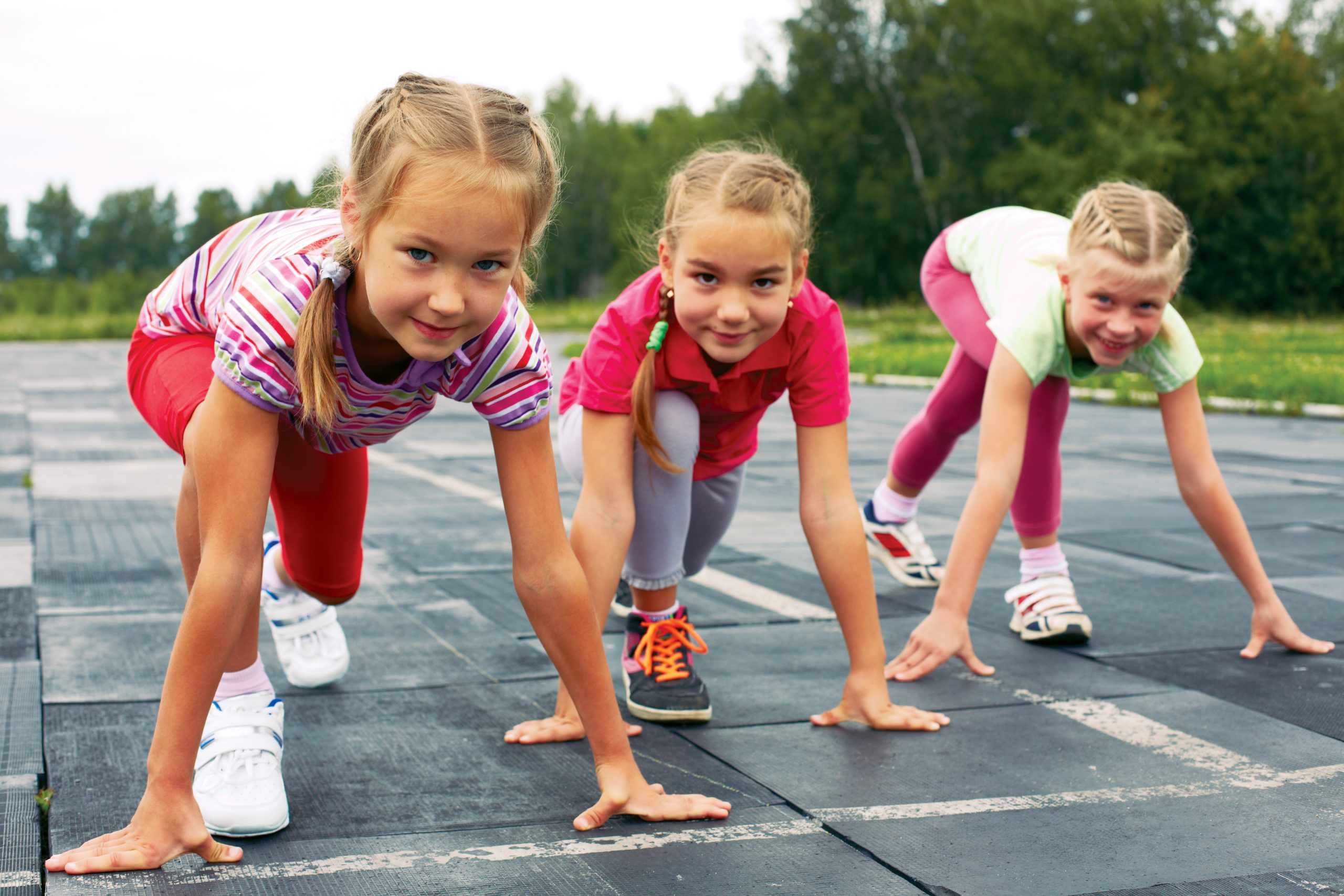
Hey there, remember those carefree days when you’d grab a ball after school and just play until the streetlights came on? I sure do. Growing up, I wasn’t the most athletic kid, but joining the local soccer team turned me into someone who could run without huffing and actually enjoy it. Sports aren’t just about winning trophies—they’re a game-changer for kids and students, boosting everything from health to happiness. In this deep dive, we’ll explore how getting active through sports can shape young lives in incredible ways, drawing from real experiences and solid insights to show why it’s worth lacing up those sneakers.
Why Sports Matter in Childhood and Student Life
Picture a kid who’s shy in class but lights up on the field—that was my nephew a few years back. Sports give children a chance to step out of their shells while building skills that stick for life. They promote overall well-being, from stronger bodies to sharper minds, and even help navigate the ups and downs of growing up. Whether it’s a pickup game or organized team play, the impact is huge, turning playtime into powerful life lessons.
Physical Health Boost from Early Sports Involvement
Getting kids moving early sets the foundation for a healthy future. Regular sports participation fights off issues like obesity and builds habits that last. It’s not just about burning calories; it’s creating a love for activity that keeps them going strong.
Mental and Emotional Perks for Young Athletes
Sports act like a natural mood booster, easing stress after a tough day at school. They teach resilience, like bouncing back from a loss, which helps in real life too. Kids often feel more confident and less anxious when they’re part of something active and fun.
Key Physical Benefits of Sports for Kids
I’ve seen it firsthand with my own kids—after a season of swimming, they had more energy than I could keep up with. Physical benefits go beyond looking fit; they include better heart health and stronger immune systems. Sports encourage consistent movement, which is key in a world full of screens pulling kids indoors.
Strengthening Muscles and Bones Through Play
Active play in sports helps develop sturdy bones and muscles during growth spurts. Weight-bearing activities like running or jumping increase bone density, reducing injury risks later. It’s like investing in a healthy skeleton that pays off for decades.
Improving Coordination and Motor Skills
From dribbling a basketball to swinging a bat, sports fine-tune hand-eye coordination. These skills spill over into everyday tasks, making kids more agile and confident. Early practice means fewer clumsy moments and more graceful strides.
Preventing Obesity and Related Health Issues
With childhood obesity on the rise, sports offer a fun way to stay at a healthy weight. They burn calories while teaching portion control through team snacks—who knew? Regular activity lowers risks of diabetes and heart problems down the line.
Mental Health Advantages from Sports Participation
Ah, the endorphin rush after a good game—it’s real, and it helped me through some rough teen years. Sports release feel-good chemicals that combat depression and anxiety in young people. They provide a healthy outlet for emotions, turning frustration into focus on the field.
Reducing Stress and Anxiety Levels
In today’s high-pressure school environment, sports serve as a stress valve. Team practices offer a break from homework worries, promoting relaxation. Kids learn coping strategies, like deep breathing during timeouts, that help in classrooms too.
Enhancing Focus and Concentration
Sports demand quick thinking, sharpening attention spans for better academic performance. Multitasking in a game translates to studying efficiently. It’s no joke; active kids often ace tests because their brains are wired for focus.
Building Resilience and Emotional Strength
Losing a match? It stings, but it teaches bouncing back. Sports foster grit, helping children handle failures with grace. This emotional toolkit is priceless, turning setbacks into setups for comebacks.
Social Skills Gained Through Team Sports
Nothing beats the camaraderie of a team huddle—it’s where lifelong friendships are born. I met my best friend during little league, and we’re still tight. Sports teach kids to work together, communicate, and support each other, skills that shine in group projects or future jobs.
Learning Teamwork and Cooperation
Sharing the ball isn’t just polite; it’s essential in team sports. Kids learn to trust teammates and collaborate toward a common goal. These lessons build empathy and make them better friends off the field.
Developing Leadership Qualities
Captain or not, sports give chances to lead, like calling plays or motivating peers. Young athletes discover their voice, gaining confidence to guide others. It’s empowering, watching a quiet kid step up during crunch time.
Fostering Friendships and Social Bonds
Playgrounds and fields are social hubs where kids connect over shared passions. Diverse teams expose them to different backgrounds, promoting inclusivity. These bonds often last, creating a support network for life.
Academic Improvements Linked to Sports
Who would’ve thought sweating it out could make you smarter? Studies show student-athletes often outperform peers in class. Sports instill discipline, like sticking to practice schedules, which carries over to homework routines.
Better Time Management and Discipline
Balancing games and grades teaches prioritization. Kids learn to juggle schedules, avoiding last-minute crams. This structure leads to higher GPAs and fewer procrastination pitfalls.
Boosting Cognitive Function and Memory
Physical activity pumps blood to the brain, enhancing memory and problem-solving. Active students recall facts easier, acing exams. It’s like giving your brain a workout alongside your body.
Higher Graduation Rates Among Athletes
Data reveals sports participants are more likely to finish school. The motivation from team goals translates to academic drive. Staying engaged in sports keeps kids in school, paving paths to success.
Long-Term Life Skills from Childhood Sports
Sports aren’t just kid stuff—they plant seeds for adult victories. I credit my marathon running habit to early track days; it taught perseverance. Kids gain tools like goal-setting that help in careers and relationships.
Instilling Discipline and Perseverance
Pushing through tough practices builds tenacity. Children learn that effort leads to improvement, a mindset for tackling challenges. This grit turns dreams into realities.
Promoting Healthy Lifestyle Habits
Early sports exposure encourages lifelong fitness. Kids who play grow into adults who hike, bike, or gym regularly. It’s a gift that keeps giving, warding off health woes.
Enhancing Self-Esteem and Confidence
Scoring a goal or nailing a serve boosts self-worth. Overcoming personal bests builds inner strength. Confident kids tackle new adventures fearlessly, from public speaking to trying new hobbies.
Comparison: Individual vs. Team Sports Benefits
Sports come in flavors—solo or group—and each offers unique perks. Let’s break it down in a simple table to see how they stack up for kids and students.
| Aspect | Individual Sports (e.g., Tennis, Swimming) | Team Sports (e.g., Soccer, Basketball) |
|---|---|---|
| Focus Development | High self-motivation and personal goals | Shared objectives and group strategy |
| Social Interaction | Limited, more introspective | High, builds friendships and teamwork |
| Physical Benefits | Endurance and technique refinement | Coordination and quick reflexes |
| Mental Resilience | Handling solo pressure | Learning from collective wins/losses |
| Flexibility | Easier scheduling around studies | Fixed team practices for routine |
Both types rock, but mixing them gives a well-rounded experience. Individual sports hone personal drive, while team ones amp up collaboration—perfect combo for growing minds.
Pros and Cons of Sports for Young People
Sure, sports have downsides like potential injuries, but the upsides far outweigh them when done right. Here’s a balanced look:
Pros:
- Builds physical fitness and fights sedentary lifestyles.
- Enhances social skills through interactions with peers and coaches.
- Improves mental health by reducing stress and boosting mood.
- Teaches life lessons like discipline and resilience.
- Fun factor keeps kids engaged and happy.
Cons:
- Risk of overuse injuries if not monitored.
- Time commitment might clash with studies.
- Pressure to win can cause burnout.
- Costs for gear or travel add up.
- Weather or access issues in some areas.
Overall, with proper guidance, the benefits shine bright. Think of it as an investment with high returns.
People Also Ask: Real Questions About Sports Benefits
Diving into what folks are searching on Google, here are some top questions with straight answers based on common queries.
What are the main benefits of sports for children?
Sports boost physical health, like stronger hearts and muscles, while sharpening mental focus and social skills. They help kids stay active, make friends, and learn teamwork in fun ways.
How do sports help students academically?
Active students manage time better and concentrate more, leading to higher grades. Physical activity enhances brain function, making learning stickier and reducing dropout risks.
What mental health advantages come from youth sports?
They lower anxiety, improve sleep, and build emotional resilience. Team support creates a sense of belonging, combating loneliness in tough teen years.
Are there long-term benefits of playing sports as a kid?
Absolutely—habits formed early lead to healthier adults with better jobs and relationships. Skills like leadership and perseverance pay off big time.
Where to Get Started with Sports for Kids
Looking to enroll? Local community centers like YMCA offer affordable programs—check their sites for schedules. Schools often have free after-school teams; talk to coaches for tryouts. For gear, stores like Dick’s Sporting Goods have beginner kits, or try apps like TeamSnap for finding leagues near you.
Best Tools and Resources for Youth Sports
For tracking progress, apps like Hudl help with video analysis—great for improving skills. Books like “The Champion’s Mind” by Jim Afremow inspire young athletes. Safety gear from brands like Under Armour ensures fun without harm. Online platforms like Active.com list events and tips for parents.
FAQ: Common Questions on Sports Benefits
How often should children play sports to see benefits?
Aim for at least 60 minutes of activity most days, per CDC guidelines. Mix organized sports with free play for balanced gains.
Can sports really improve a child’s self-confidence?
Yes, achieving personal milestones in sports builds a strong sense of accomplishment. Positive feedback from coaches and teammates reinforces this boost.
What if my kid isn’t naturally athletic?
No worries—sports are about participation, not perfection. Start with low-pressure activities like swimming or yoga to build interest gradually.
Do team sports offer more benefits than individual ones?
Both have merits, but team sports excel in social skills. Individual ones focus on self-reliance; try both for full advantages.
How can parents support sports without adding pressure?
Encourage effort over wins, attend games with positivity, and let kids choose sports they love. Balance is key to keeping it enjoyable.
In wrapping up, sports weave magic into kids’ lives, from my own stories to the countless benefits backed by experts. They sculpt healthier, happier, and more capable young people ready to tackle the world. So, get out there—your child’s next adventure awaits on the field. For more on child development, check our guide on healthy habits for kids. And for expert advice, visit the CDC’s youth physical activity page.