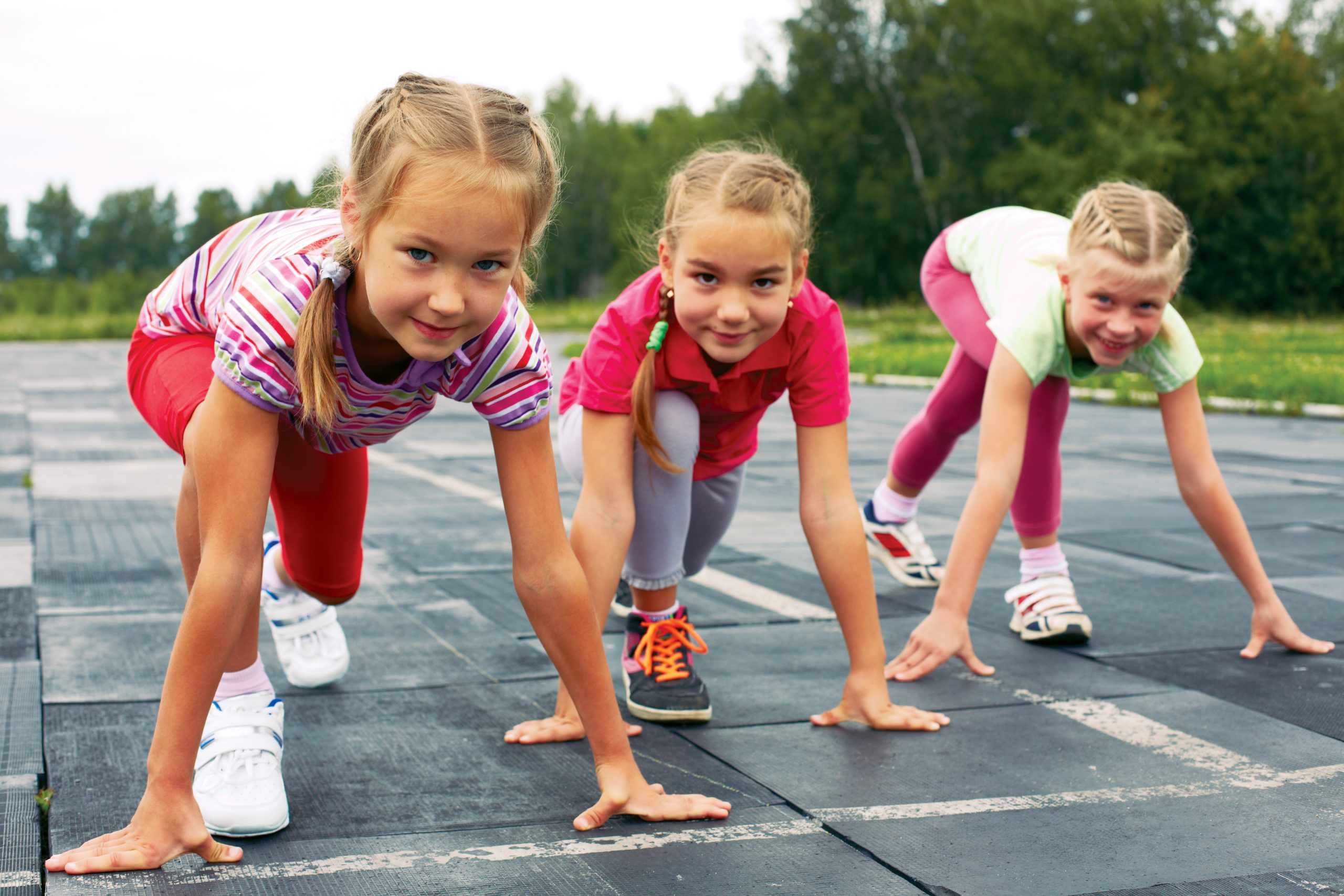
Remember those endless summer afternoons when you’d grab a ball, round up the neighborhood kids, and just play until the streetlights came on? I sure do. As a kid growing up in a small town, I spent hours on the soccer field, not because my parents forced me, but because it felt like pure freedom. Little did I know back then that those muddy cleats and scraped knees were building something way bigger than just fun memories. Today, as a parent myself, I’ve seen firsthand how getting kids into sports shapes them into healthier, happier people. In this article, we’ll dive into the top 10 benefits of playing sports as a child, backed by real insights and stories that show why it’s worth signing up for that little league team.
Why Sports Are a Game-Changer for Childhood Development
Think about it—kids today spend so much time glued to screens that it’s easy to forget the magic of running around outside. Playing sports isn’t just about exercise; it’s a foundation for lifelong habits that touch every part of a child’s life. From boosting their body to sharpening their mind, sports offer a natural way to grow strong and resilient. And trust me, watching my own son light up after scoring his first goal reminded me how these experiences stick with them forever.
The Top 10 Benefits Explored
I’ve pulled together these benefits from years of coaching youth teams and chatting with parents, plus solid research that confirms what we’ve all suspected. Each one comes with real examples to make it hit home. Let’s break them down one by one.
Benefit 1: Building Stronger Bodies and Healthier Habits
When kids lace up their sneakers and hit the field, they’re not just playing—they’re investing in a lifetime of physical wellness. Sports like basketball or swimming help develop muscles, bones, and coordination while keeping obesity at bay. It’s amazing how something as simple as a weekly game can reduce the risk of heart issues down the road. I remember my niece, who started gymnastics young, and now at 15, she’s got energy that outpaces most adults.
Benefit 2: Sharpening Mental Focus and Cognitive Skills
Ever notice how kids seem sharper after a good play session? Sports demand quick thinking, strategy, and memory, which spill over into better school performance. Things like dodging opponents in soccer build executive function in the brain, leading to improved grades and problem-solving. My buddy’s daughter struggled with math until she joined track; suddenly, the discipline clicked, and her report cards turned around.
Benefit 3: Boosting Self-Confidence and Emotional Resilience
Nothing beats the thrill of nailing a free throw or crossing the finish line—it teaches kids they can overcome challenges. This confidence carries into everyday life, helping them bounce back from setbacks like a bad test or a tough day. Humor me here: who knew failing at dodgeball could prepare you for job interviews? But seriously, I’ve seen shy kids blossom into leaders through team sports.
Benefit 4: Fostering Teamwork and Social Connections
Sports are like a crash course in friendship—kids learn to communicate, share, and support each other toward a common goal. Whether it’s passing the ball in hockey or cheering from the sidelines, these interactions build lasting bonds. I still keep in touch with my old baseball pals; those dugout talks created friendships that outlasted the seasons.
Benefit 5: Teaching Discipline and Time Management
With practices, games, and homework juggling, sports force kids to prioritize and stick to schedules. This early lesson in commitment pays off big time in adulthood, from meeting deadlines to balancing work and family. My son once grumbled about early morning swims, but now he thanks me for the routine that keeps him organized in college.
Benefit 6: Reducing Stress and Improving Mental Health
In a world full of pressures, sports provide a healthy outlet to blow off steam and release endorphins. Kids who play regularly report lower anxiety and better moods, turning potential meltdowns into moments of zen. Picture this: after a rough school week, a quick game of tag can feel like therapy without the couch.
Benefit 7: Encouraging Leadership and Responsibility
Taking charge during a play or motivating teammates hones leadership skills that classrooms can’t always teach. Kids learn accountability, like owning up to a missed shot, which builds character. I coached a kid who started as a benchwarmer and ended up captaining the team—talk about a proud moment for everyone involved.
Benefit 8: Promoting Creativity and Quick Thinking
Sports aren’t all rules; they spark imagination, like improvising a move in dance or inventing plays in backyard football. This creativity boosts cognitive flexibility, helping kids think outside the box in art or science projects. Who would’ve thought chasing a frisbee could inspire the next inventor?
Benefit 9: Preventing Risky Behaviors and Building Values
Active kids are less likely to dabble in unhealthy habits, as sports instill values like respect and fair play. It’s a protective factor against things like smoking or poor choices, steering them toward positive paths. Reflecting on my youth, sports kept me out of trouble more times than I can count.
Benefit 10: Setting the Stage for Lifelong Fitness and Success
The habits formed in childhood sports often stick, leading to active adulthoods and even career boosts. Studies show former young athletes earn more and engage in community more. It’s emotional to think how a simple game can shape a future—my own path in coaching started with those childhood fields.
Comparing Sports Participation vs. Sedentary Lifestyles
It’s eye-opening to see the differences side by side. Kids in sports often outperform their couch-bound peers in health and happiness metrics.
| Aspect | Kids Playing Sports | Kids Without Sports |
|---|---|---|
| Physical Health | Stronger bones, lower obesity risk | Higher chance of weight issues, weaker immunity |
| Mental Well-Being | Reduced depression, higher self-esteem | More stress, potential isolation |
| Social Skills | Better teamwork, more friends | Limited interactions, possible shyness |
| Academic Performance | Improved focus, higher grades | Distractions from screens, lower motivation |
This table highlights why getting active early makes such a difference—it’s not just play; it’s preparation for life.
Pros and Cons of Enrolling Kids in Sports
Like anything, sports have upsides and potential pitfalls, but the good usually outweighs the bad if managed well.
Pros:
- Enhances overall development across physical, mental, and social areas.
- Builds a sense of community and belonging.
- Teaches real-world skills like perseverance and empathy.
- Fun way to stay healthy without feeling like a chore.
Cons:
- Risk of injuries if not supervised properly.
- Time commitment can clash with school or family.
- Pressure to win might stress some kids out.
- Costs for gear or leagues add up for families.
Balancing these means choosing age-appropriate activities and keeping the focus on enjoyment.
What Is the Best Way to Get Started with Youth Sports?
If you’re wondering where to begin, start local. Community centers, schools, and YMCAs often offer beginner programs in soccer, baseball, or swimming. Check out sites like the Aspen Institute’s Project Play for guides on finding inclusive options. For gear, affordable starters like basic cleats or balls are available at stores like Dick’s Sporting Goods—think of it as an investment in your child’s future.
Best Sports and Tools for Different Ages
Tailoring to age ensures success. For toddlers, try simple activities like tee-ball with soft bats from brands like Franklin Sports. School-age kids thrive in team setups like basketball; grab a durable Spalding ball for practice. Teens might prefer individual pursuits like tennis—Wilson rackets are reliable starters. Always prioritize safety gear, like helmets from Bell, to keep things fun and injury-free.
People Also Ask
Drawing from common searches, here are real questions folks type into Google, with straightforward answers based on expert insights.
What are the benefits of sports for students?
Sports help students excel academically by improving concentration and reducing stress, leading to better test scores and attendance. They also build social networks that support learning.
Why is it important for a child to play sports?
Beyond fun, sports teach essential life lessons like resilience and cooperation, setting kids up for healthier, more connected lives.
How do sports benefit mental health in children?
Regular play lowers anxiety, boosts mood through endorphins, and fosters a positive self-image, acting as a natural emotional buffer.
What are the long-term advantages of youth sports?
Kids who play grow into adults with better fitness habits, higher earnings, and stronger community ties—it’s a ripple effect.
FAQ
How do sports improve a child’s social skills?
Through team interactions, kids learn to communicate and empathize, forming bonds that extend beyond the game.
Are there risks to playing sports as a kid?
Yes, like minor injuries, but proper coaching and equipment minimize them—focus on fun to avoid burnout.
What sports are best for young children?
Low-pressure ones like soccer or swimming build basics without overwhelming them; start with local leagues.
How can parents support their kids in sports?
Show up, encourage effort over wins, and keep it positive—your enthusiasm makes all the difference.
Do sports help with academic success?
Absolutely; the discipline and focus from sports translate to better study habits and grades.
Wrapping this up, playing sports as a child isn’t just about the games—it’s about crafting a brighter path forward. From my own scraped-knee days to watching the next generation thrive, I’ve witnessed the transformation. If you’re a parent on the fence, take that step; the rewards are endless. For more on child development, check our internal guide on active play ideas, or explore resources from the CDC on youth physical activity. Let’s get those kids moving!