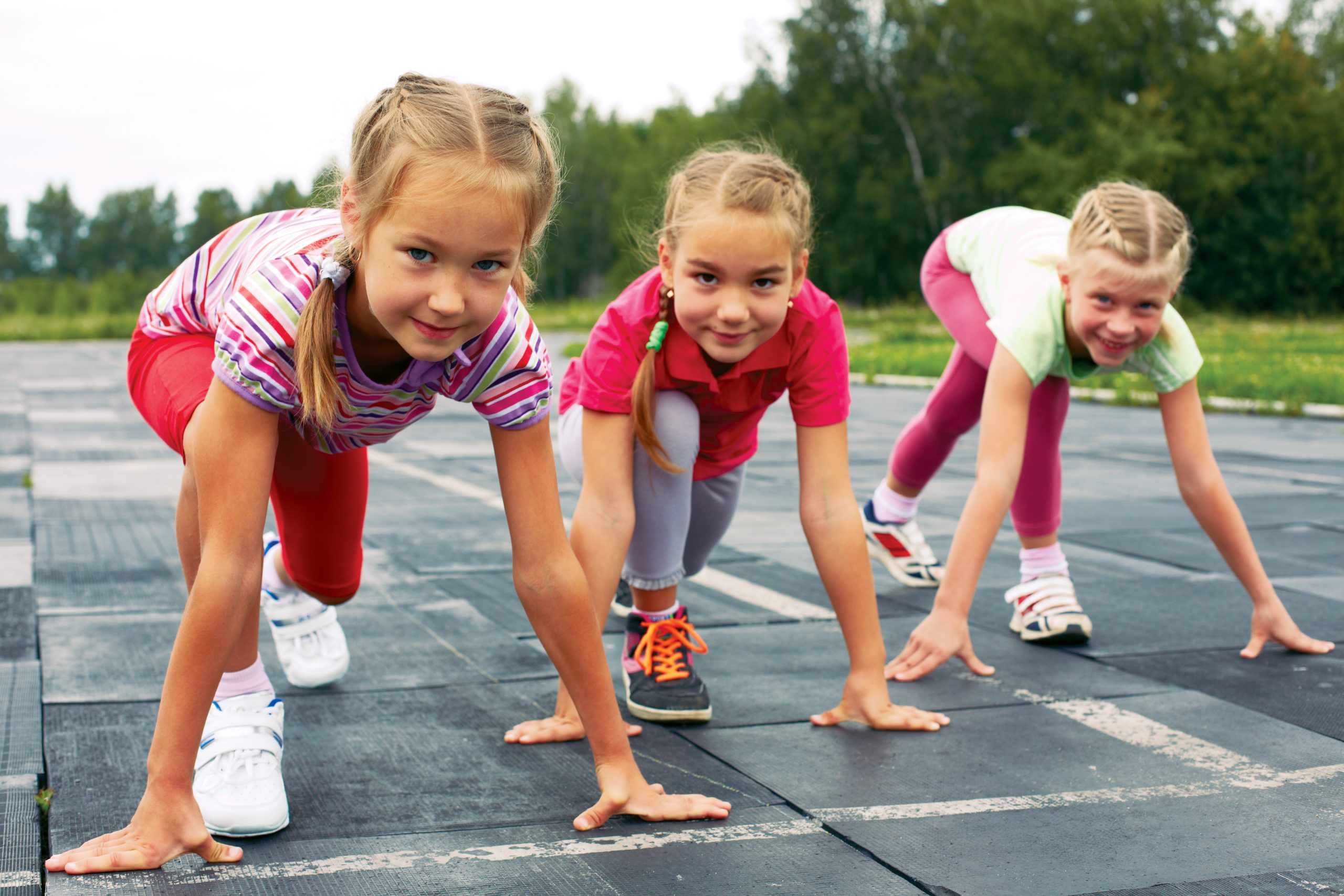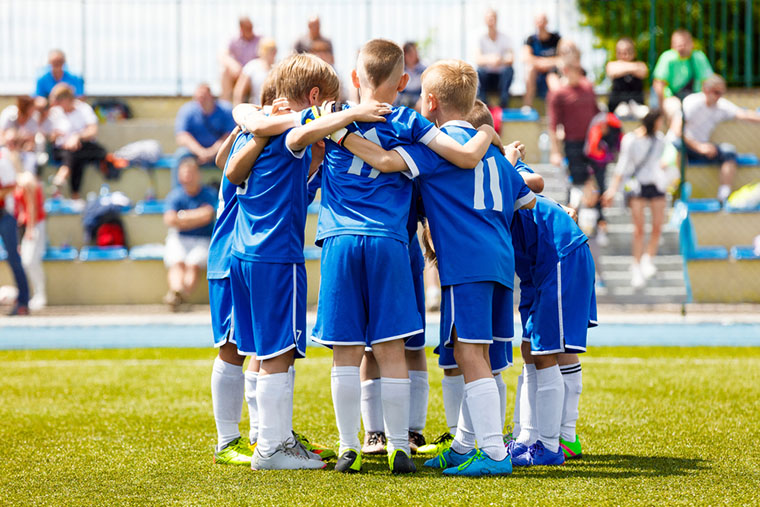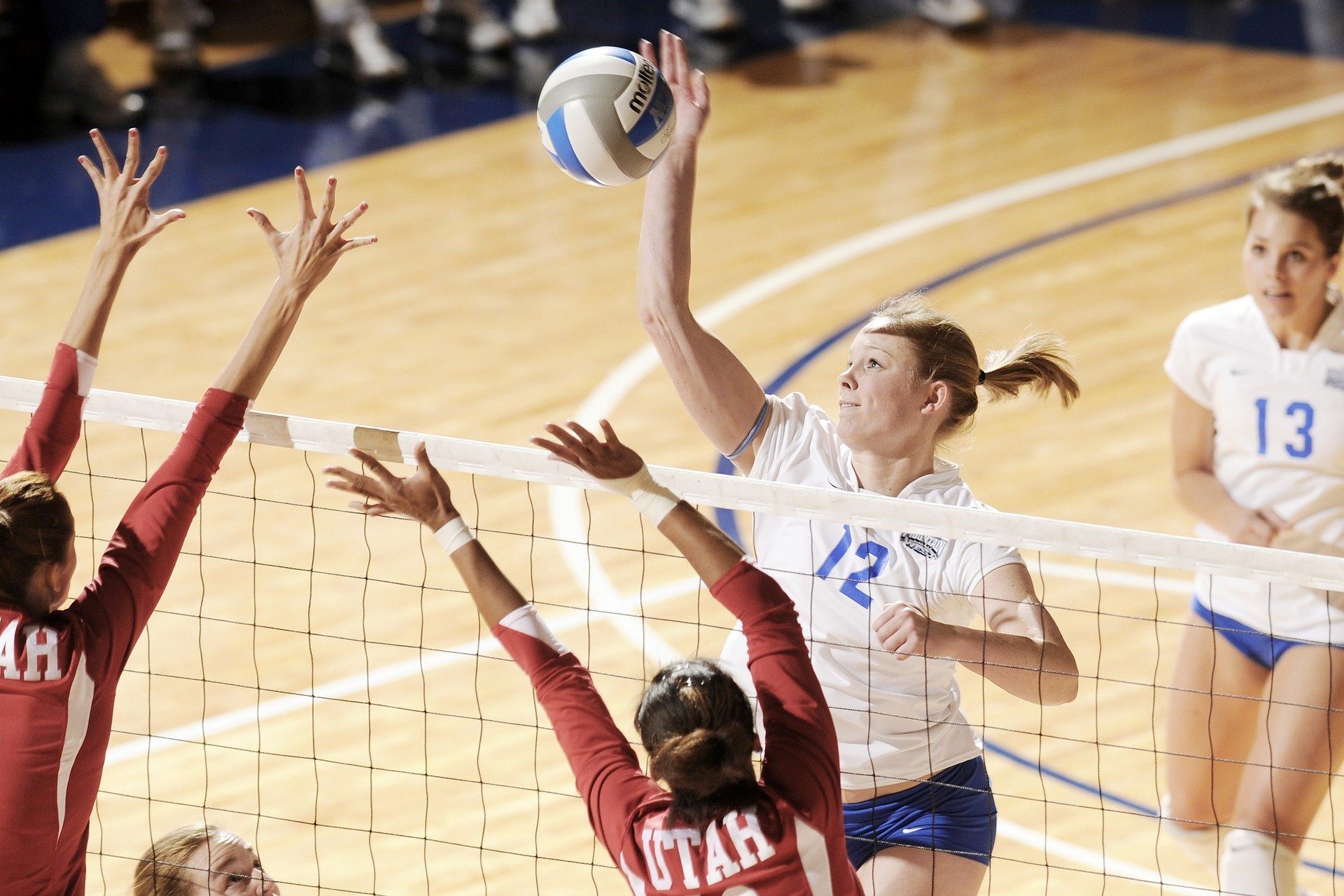
Remember when I was about 10, huffing and puffing through soccer practice on a rainy afternoon? My coach wouldn’t let us quit until we nailed that drill, and boy, did I want to throw in the towel. But sticking it out taught me something priceless—grit. Fast forward to today, and research shows that very trait is a game-changer for adult success. In this article, we’ll dive into how sports shape kids’ character, focusing on grit as that secret sauce linking playground hustle to boardroom triumphs.
What is Grit?
Grit is that fiery mix of passion and perseverance for long-term goals, even when the going gets tough. It’s not just talent; it’s the stamina to keep pushing forward. Angela Duckworth, a psychologist who’s studied this for years, calls it the real predictor of achievement over IQ or raw skill. Kids with grit bounce back from setbacks and chase dreams with unshakeable drive.
Angela Duckworth’s Groundbreaking Research on Grit
Duckworth’s book “Grit: The Power of Passion and Perseverance” flipped the script on success. She found gritty people outshine others in everything from spelling bees to West Point survival. For kids, developing this early sets them up for lifelong wins, like better jobs and happier lives. It’s emotional too—imagine your child turning “I can’t” into “I’ll try again.”
The Link Between Childhood Sports and Adult Success
Studies show adults who played sports as kids score higher on grit scales, leading to greater career achievements. One Ohio State University research highlighted how former youth athletes handle challenges better in adulthood. It’s not just about winning games; it’s building mental muscle for real-world hurdles. Think of it as investing in your kid’s future resume, one practice at a time.
Evidence from Long-Term Studies
A 2022 study from OSU surveyed over 400 adults and found childhood sports participants had 10% higher grit scores. This ties directly to success metrics like income and job satisfaction. Another review in the Journal of Adolescent Health linked sports to improved self-esteem and goal-setting skills. These aren’t flukes; consistent activity wires the brain for resilience.
How Sports Foster Grit in Kids
Sports throw curveballs—literally—teaching kids to persevere through fatigue and failure. Regular practice builds habits of showing up, no matter what. Over time, this creates a mindset where quitting isn’t an option, mirroring adult challenges like tough projects or career slumps. It’s hands-on life training, wrapped in fun and sweat.
Building Perseverance Through Practice and Drills
Endless laps or skill repetitions might seem boring, but they instill discipline. I recall dreading basketball free throws, yet mastering them boosted my confidence sky-high. Kids learn effort compounds into results, a lesson that pays off in academics and beyond. It’s like planting seeds of tenacity that bloom in adulthood.
Learning to Handle Failure and Setbacks
Losing a game stings, but it teaches bounce-back power. Sports show failure as temporary, not defining. One kid I coached turned a missed goal into motivation for extra training, landing a scholarship later. This emotional resilience helps adults navigate job rejections or personal hurdles with grace.
Developing Passion for Long-Term Goals
Sports ignite interests that last, like loving team dynamics or personal bests. Duckworth notes passion fuels perseverance, and organized play nurtures that. Kids chasing season goals mirror pursuing degrees or promotions later. It’s heartfelt—watching a child’s eyes light up after a hard-won victory tugs at your strings.
Other Key Traits Sports Help Kids Develop
Beyond grit, sports cultivate teamwork, leadership, and time management. These round out a child’s toolkit for success. A Project Play report emphasizes how physical activity boosts cognitive skills too. It’s a holistic boost, turning active kids into well-adjusted adults.
Teamwork and Social Skills
Playing with others hones communication and empathy. Kids learn to trust teammates, resolving conflicts on the fly. This translates to better workplace collaborations in adulthood. Plus, friendships formed on the field often last a lifetime, adding emotional support networks.
Discipline and Time Management
Balancing practice with homework teaches prioritization. Structured routines build self-control, reducing procrastination later. Studies show sports kids excel academically, thanks to this discipline spillover. It’s practical magic—turning chaotic days into productive ones.
Resilience and Emotional Regulation
Tough losses build coping mechanisms. Kids process disappointment healthily, avoiding burnout. This emotional toolkit aids adult stress management, from deadlines to relationships. Humor helps too—laughing off a fumble keeps spirits high.
Pros and Cons of Youth Sports Participation
Youth sports offer immense upsides, but balance is key to avoid pitfalls.
Pros:
- Enhances physical health and reduces obesity risks.
- Boosts mental well-being through endorphins and achievements.
- Fosters lifelong habits of activity and goal pursuit.
- Strengthens family bonds via shared events.
Cons:
- Risk of overuse injuries if not managed.
- Pressure from overzealous parents or coaches.
- Time commitments that might strain academics.
- Costs for gear and travel can add up.
Comparing Sports vs. Non-Sports Kids: What Studies Show
| Trait | Sports Kids | Non-Sports Kids | Impact on Adult Success |
|---|---|---|---|
| Grit | Higher scores, per OSU study | Lower perseverance | Better career resilience |
| Self-Esteem | Improved via achievements | Often lower | Stronger leadership roles |
| Academic Performance | Better focus and grades | More distractions | Higher education attainment |
| Social Skills | Stronger peer bonds | Potential isolation | Enhanced networking |
This table draws from multiple studies, showing sports kids edge out in key areas. The gap widens over time, linking early play to lasting advantages.
People Also Ask: Common Questions About Sports and Child Development
Here are real questions pulled from Google searches, with quick answers based on expert insights.
What are the benefits of sports for child development?
Sports promote physical fitness, social skills, and cognitive growth. They help kids build confidence and learn teamwork, setting foundations for healthy adulthood. A Health.gov report outlines how these benefits extend to families too.
How do sports help in personality development?
Through challenges and victories, sports shape traits like leadership and empathy. Kids gain self-awareness, adapting to group dynamics. It’s transformative—turning shy children into confident communicators.
What life skills do sports teach kids?
Goal-setting, resilience, and cooperation top the list. Sports mirror real life, teaching fair play and handling pressure. Duckworth ties these to grit, essential for success.
Why is it important for kids to play sports?
Beyond fun, it combats sedentary lifestyles and boosts mental health. Early participation predicts active adulthoods, per studies. It’s an investment in well-rounded growth.
How do sports improve social skills in children?
Interacting with teammates fosters empathy and conflict resolution. Group activities break barriers, building inclusive mindsets. This pays off in diverse adult environments.
Where to Get Started: Enrolling Kids in Sports Programs
Local community centers like YMCAs offer affordable entry points. Check sites like Little League (littleleague.org) for baseball or US Youth Soccer (usyouthsoccer.org) for team options. Schools often have free programs—start there for convenience.
Best Tools and Resources for Developing Grit Through Sports
Apps like Strava track progress, building perseverance. Books such as Duckworth’s “Grit” provide parent guides. For gear, Dick’s Sporting Goods offers beginner kits—affordable ways to dive in.
FAQ: Answering Your Top Questions
Does playing sports really increase grit in kids?
Yes, research shows consistent participation builds perseverance. Adults who played as children score higher on grit assessments, linking to better life outcomes.
What age should kids start sports to develop these traits?
Around 6-8 years for organized play, but earlier casual activities work too. Focus on fun to avoid burnout—early positive experiences cement lifelong habits.
Are team sports better than individual ones for building grit?
Both help, but teams add social layers like accountability. Individual sports like swimming emphasize personal drive. Mix them for balanced development.
Can sports negatively impact a child’s development?
If overly competitive, yes—leading to stress or injuries. Balance with rest and positive coaching minimizes risks, ensuring net gains.
How can parents support grit development in sports?
Encourage effort over wins, share stories of your setbacks. Model resilience—your attitude shapes theirs more than any coach.
Wrapping up, sports aren’t just games; they’re grit factories forging future successes. From my muddy soccer days to watching my niece conquer swim meets, I’ve seen the magic firsthand. Get your kids involved—it’s a heartfelt step toward their brightest tomorrows. For more on child activities, check our guide on best outdoor games for families. And explore Duckworth’s work at characterlab.org for deeper dives.