Hey there, if you’re a student juggling textbooks and tests, or a parent wondering if signing your kid up for soccer is worth the drive, let me tell you something from my own playbook. Back in high school, I was that awkward teen who thought gym class was a punishment. But when I joined the track team on a whim—mostly to impress a crush—I discovered a whole new side of myself. Running those laps didn’t just build my stamina; it cleared my head and even boosted my grades. Turns out, sports aren’t just about sweating it out; they’re a game-changer for body, mind, and everything in between. In this deep dive, we’ll explore how hitting the field or court can supercharge a student’s life, backed by real insights and a touch of that feel-good energy.
Physical Benefits of Sports for Students
Getting active through sports isn’t just about looking good in a uniform—it’s a powerhouse for building a strong, resilient body that lasts well into adulthood. Students who lace up their sneakers regularly see improvements in everything from heart health to bone strength, setting them up for fewer sick days and more energy to tackle daily life. Plus, it’s a fun way to dodge the sedentary trap of endless screen time.
Improved Cardiovascular Fitness
Think of your heart as the engine of your body—sports rev it up in the best way possible. Regular play, like sprinting in basketball or swimming laps, strengthens the heart muscle, lowers blood pressure, and boosts circulation. Kids who stay active cut their risk of future heart issues, and honestly, who doesn’t want to feel that runner’s high instead of huffing up stairs?
Stronger Muscles and Bones
Sports like soccer or gymnastics aren’t just games; they’re like a workout disguised as play. Weight-bearing activities build muscle mass and bone density, which is crucial during growth spurts to prevent issues like osteoporosis later on. I recall a friend who played volleyball and grew into this powerhouse—her confidence soared as her strength did.
Better Weight Management
In a world full of fast food temptations, sports act as a natural balancer. They burn calories, regulate metabolism, and promote healthy eating habits without feeling like a chore. Students involved in team sports often maintain a healthier weight, reducing risks of obesity and related woes like diabetes.
Enhanced Coordination and Balance
Ever watched a kid dodge defenders in flag football? That’s coordination in action. Sports fine-tune motor skills, improving balance and agility that spill over into everyday tasks, like not tripping over your own feet in the hallway. It’s like giving your body a software update for smoother operation.
Mental Health Benefits of Sports for Students
Sports aren’t just a physical outlet—they’re a mental reset button. Amid the stresses of exams and social drama, hitting the gym or field releases those feel-good chemicals that keep anxiety at bay. It’s like therapy with a side of fun, helping students build emotional armor for life’s curveballs.
Reduced Stress and Anxiety
Picture this: after a tough day of classes, you grab a basketball and shoot hoops. That simple act floods your brain with endorphins, melting away stress like ice in summer. Studies show active students report lower anxiety levels, and from my own experience, nothing beats that post-game calm.
Boosted Self-Esteem
Scoring a goal or nailing a serve? Pure gold for confidence. Sports teach kids to celebrate small wins, fostering a sense of achievement that combats low self-worth. One time, I bombed a race but finished strong— that taught me resilience more than any pep talk.
Improved Mood and Sleep
Regular play regulates mood swings by balancing hormones, and it tires you out just enough for deeper sleep. Tired teens crashing early? That’s a win for everyone. Better rest means sharper focus the next day, turning grumpy mornings into productive ones.
Greater Emotional Resilience
Losing a game stings, but it builds toughness. Sports expose students to highs and lows, teaching coping skills that help with real-world setbacks. It’s emotional boot camp, minus the drill sergeant— just supportive teammates cheering you on.
Academic Advantages of Sports for Students
Who knew chasing a ball could sharpen your brain? Far from distracting from studies, sports enhance focus and discipline, often leading to better report cards. It’s like cross-training for your mind, where the habits from the field translate to the classroom.
Enhanced Concentration and Memory
Physical activity pumps more oxygen to the brain, boosting cognitive functions like memory retention. Students in sports often ace tests because their brains are wired for better recall—think of it as upgrading from dial-up to high-speed internet.
Better Time Management Skills
Balancing practice with homework? That’s a crash course in prioritization. Athletes learn to juggle schedules, avoiding procrastination and hitting deadlines like pros. My track days forced me to study smarter, not harder.
Higher Graduation Rates
Data shows student-athletes are more likely to graduate, thanks to the structure and motivation sports provide. They stay engaged in school, turning potential dropouts into diploma earners.
Improved Problem-Solving Abilities
On the court, quick decisions win games. This hones analytical skills that shine in math or science classes, where thinking on your feet—or cleats—pays off.
Social Skills Development Through Sports
Sports turn strangers into squad mates, forging bonds that last a lifetime. In a digital age where likes replace handshakes, the field offers real connections, teaching empathy and teamwork in ways no app can.
Building Teamwork and Communication
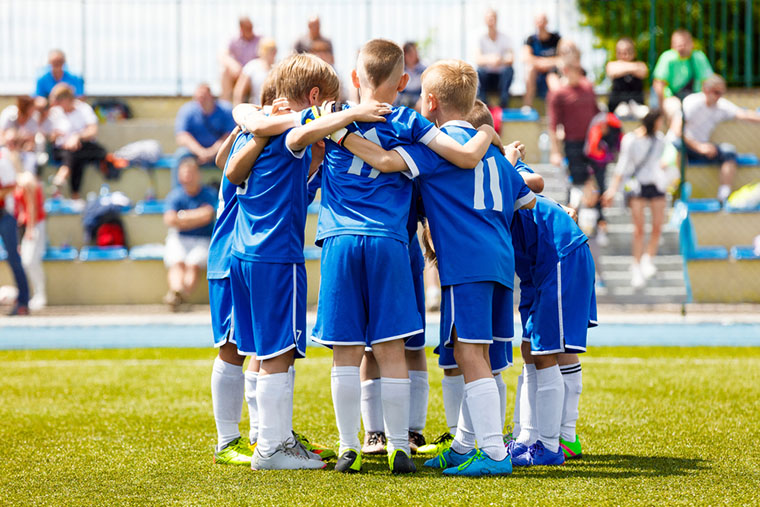
Nothing says “we’re in this together” like a group huddle. Sports demand clear communication and collaboration, skills that make group projects less painful and future jobs more successful.
Fostering Friendships and Inclusivity
From diverse backgrounds to shared goals, sports break down barriers. Kids learn to appreciate differences, creating inclusive circles that combat bullying and isolation. My team was a melting pot, and those friendships? Priceless.
Developing Leadership Qualities
Captain or not, sports spotlight leaders. Calling plays or motivating peers builds confidence in guiding others, prepping students for roles in clubs or careers.
Encouraging Respect and Sportsmanship
Win gracefully, lose humbly—that’s the mantra. Sports instill values like fairness and respect, turning competitive spirits into gracious humans.
Comparison: Team Sports vs. Individual Sports for Students
Wondering which type packs more punch? Both have perks, but let’s break it down.
| Aspect | Team Sports (e.g., Soccer, Basketball) | Individual Sports (e.g., Tennis, Swimming) |
|---|---|---|
| Social Interaction | High—builds camaraderie and group dynamics | Moderate—focuses on self-reliance but allows for coaching bonds |
| Accountability | Shared responsibility motivates consistency | Personal drive fosters independence |
| Skill Development | Emphasizes collaboration and strategy | Hones focus and self-discipline |
| Mental Benefits | Reduces isolation through group support | Builds inner resilience against solo pressures |
| Academic Tie-In | Teaches time management in group settings | Allows flexible scheduling for studies |
Team sports edge out for social growth, while individual ones shine for personal grit. Mix them for the best of both worlds.
Pros and Cons of Sports Participation for Students
Like anything, sports have upsides and pitfalls. Here’s a balanced look:
Pros:
- Boosts physical health and energy levels.
- Enhances mental clarity and reduces stress.
- Improves academic performance through discipline.
- Builds lasting social networks and leadership skills.
- Promotes lifelong healthy habits.
Cons:
- Risk of injuries if not played safely.
- Time commitment might overwhelm schedules.
- Pressure to perform can cause burnout.
- Costs for gear or travel add up.
- Overemphasis on winning may dent self-esteem.
The key? Moderation and supportive coaching to maximize gains.
People Also Ask: Common Questions About Sports Benefits
Diving into what folks are searching for on Google, here are some real questions pulled from search trends, with quick insights.
- What are the main benefits of sports for students? From physical fitness to mental boosts, sports enhance overall well-being, academics, and social skills—think stronger bodies, sharper minds, and tighter friendships.
- How do sports help students academically? They improve focus, time management, and cognitive function, often leading to higher grades and better problem-solving.
- What are the psychological benefits of engaging in sports? Reduced anxiety, higher self-esteem, and better mood regulation—sports act like a natural antidepressant.
- Why are extracurricular sports important for overall student development? They build character, resilience, and life skills beyond the classroom, fostering holistic growth.
Where to Get Involved: Finding Sports Programs
Looking to jump in? Local schools often offer free or low-cost teams—check your district’s athletics page. Community centers like YMCA provide accessible options (visit ymca.org for locations). For specialized gear, sites like Dick’s Sporting Goods have student deals.
Best Tools and Gear for Student Athletes
Starting out? Grab affordable essentials: A good pair of running shoes from Nike or Adidas for versatility. For tracking progress, apps like Strava or MyFitnessPal help monitor fitness. Best budget buy? A basic soccer ball—endless fun for under $20.
FAQ: Answering Your Top Questions
How often should students play sports to see benefits? Aim for at least 60 minutes of moderate activity most days, per CDC guidelines—mix fun games with structured play for best results.
Can sports really improve grades? Absolutely—research links active students to better concentration and higher GPAs, as exercise sharpens the brain.
What if my child isn’t athletic—should they still try? Yes! It’s about participation, not perfection. Start with low-pressure activities like walking clubs to build confidence.
Are there risks to overdoing sports? Burnout or injuries can happen, so balance with rest and listen to your body—coaches can guide safe play.
How do sports benefit girls specifically? They boost body image, leadership, and reduce dropout rates, empowering them in academics and life.
Wrapping this up, sports for students are more than games—they’re a launchpad for a vibrant life. From my track mishaps to triumphs, I’ve seen how they shape us. So, grab that ball, hit the trail, and watch the magic unfold. For more on youth health, check out resources from the CDC (cdc.gov) or our internal guide on balancing school and play. Stay active, stay awesome.