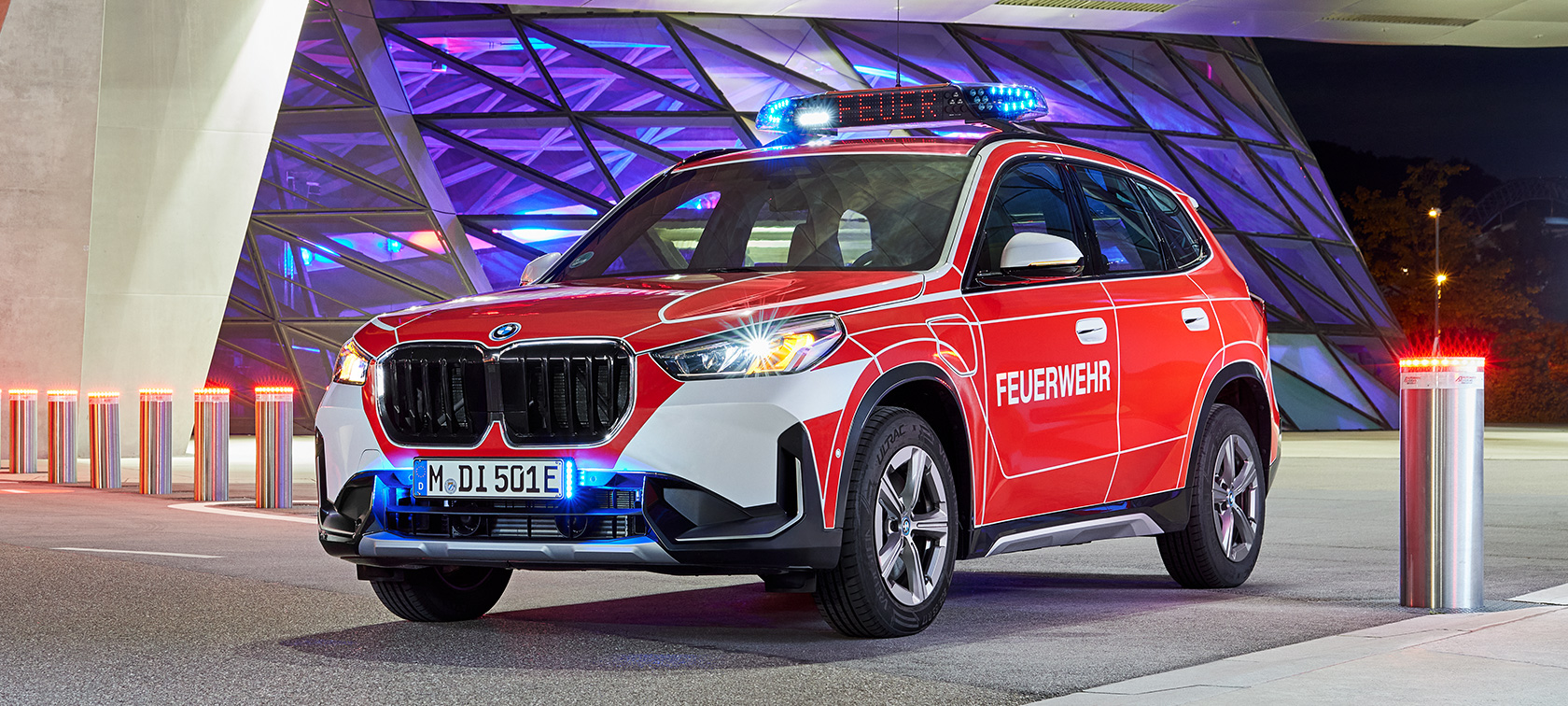
Hey there, if you’ve ever been on the highway and spotted a sleek BMW with flashing lights pulling someone over, you know that rush of curiosity mixed with a bit of envy. I remember back in my college days, interning at a local fire department, when our chief rolled up in a customized BMW X3 for inspections—it wasn’t just a car; it felt like a command center on wheels. These aren’t everyday rides; they’re BMW authority vehicles, built for the heroes in uniform who keep us safe. In this deep dive, we’ll explore what makes them tick, from models to specs and even pricing, all while sharing real insights to help you understand why they’re a game-changer for police, fire, and emergency teams.
What Are BMW Authority Vehicles?
Picture this: a vehicle that combines luxury engineering with hardcore durability for high-stakes jobs. BMW authority vehicles are specially designed cars and SUVs tailored for government agencies, police forces, fire brigades, and medical services. They’re not off-the-shelf models but ones enhanced with factory options for reliability in emergencies, like reinforced chassis and integrated tech for quick responses.
These rides stand out because BMW has poured over 60 years of collaboration with global authorities into them, ensuring they handle everything from urban chases to rugged rescue ops. Think silent electric modes for stealth or massive cargo space for gear—it’s all about blending performance with practicality.
The Evolution of BMW Authority Vehicles
BMW didn’t just stumble into this niche; it started in the 1950s with early police motorcycles that set the stage for today’s lineup. Fast-forward to now, and they’ve evolved with plug-in hybrids and electric options, making them eco-friendly without skimping on power. It’s like watching your favorite action movie hero upgrade their gear—always one step ahead.
This history builds trust, as agencies worldwide rely on BMW’s rigorous testing, from crash simulations to endurance runs. I’ve chatted with a retired cop who swore by his BMW 5 Series for its unflinching reliability during long shifts, proving these vehicles aren’t just machines but lifelines.
Key Models in the BMW Authority Lineup
Diving into the models feels like opening a toolbox—each one fits a specific need, whether it’s speed for pursuits or space for equipment. From compact sedans to robust SUVs, BMW offers versatility that adapts to various authority roles. Let’s break them down, focusing on what makes each shine in real-world scenarios.
BMW 1 Series: Compact Powerhouse
The BMW 1 Series is the nimble underdog, perfect for city patrols where tight streets demand agility. With its rear-wheel drive and optional xDrive, it zips through traffic like a pro athlete dodging defenders. I once saw one in action at a community event, loaded with gear yet handling like a dream.
Engine options range from efficient 3-cylinder diesels to punchy 4-cylinder petrols, delivering up to 306 hp. It’s ideal for undercover work, blending in while packing advanced driver aids like lane assist for safer ops.
- Engine Variants: 3-4 cylinders, 1.5-2.0L displacement
- Performance: 0-100 km/h in 4.8-10.6 seconds, top speed up to 250 km/h
- Fuel Efficiency: 4.6-8.0 L/100 km combined
- Key Features: BMW Live Cockpit, head-up display, up to 1,200L cargo
BMW 3 Series: Versatile All-Rounder
Ah, the BMW 3 Series—it’s like the Swiss Army knife of authority vehicles, available as sedan or touring for extra utility. Police departments love it for highway pursuits, where its balanced handling shines. A buddy in emergency services told me how its plug-in hybrid saved fuel on long stakeouts, adding a green twist to the job.
With engines from 156 to 374 hp, including hybrids, it offers electric ranges up to 57 km for quiet approaches. Customization like reinforced brakes makes it a favorite for fire and medical teams needing quick, reliable transport.
Technical Data Table for BMW 3 Series
| Aspect | Details |
|---|---|
| Engines | 4-6 cylinders, 2.0-3.0L, 156-374 hp; hybrids with 11-109 hp electric |
| Acceleration | 4.4-8.8 seconds to 100 km/h |
| Top Speed | 213-250 km/h |
| Fuel/Emissions | 1.4-8.7 L/100 km, 32-196 g/km CO2; 47-57 km electric range |
| Dimensions | Up to 1,700L cargo in Touring |
BMW 5 Series: Premium Command Vehicle
For those needing a step up in luxury and space, the BMW 5 Series fits like a tailored suit for command roles. Fire chiefs use it for on-site coordination, with its spacious interior housing laptops and comms gear. It’s got that emotional pull too—driving one feels empowering, as if you’re in control of chaos.
Plug-in and full electric (i5) options provide up to 103 km silent range, perfect for medical evacuations without noise. Safety features like active steering keep operators focused during high-stress situations.
- Pros: Superior comfort, advanced tech integration
- Cons: Higher base cost, larger size in tight spots
BMW 7 Series and i7: Executive Protection
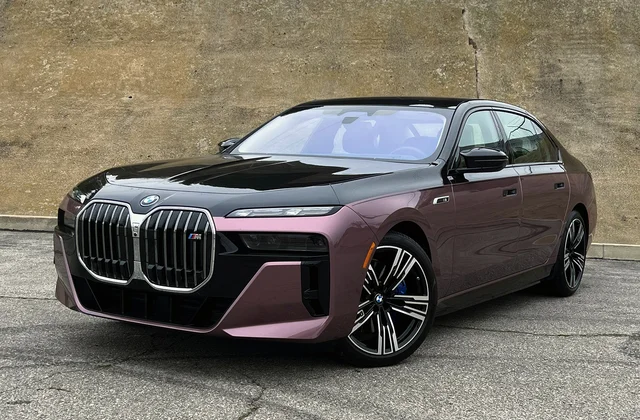
The flagship BMW 7 Series, including the electric i7, is for VIP escorts and high-security ops where protection meets opulence. Imagine ferrying dignitaries with armored options—it’s BMW’s way of saying “safety first, style always.” A security expert I know raved about its quiet cabin during tense motorcades.
With powerful engines up to 544 hp in hybrids, it accelerates like a rocket while offering massive torque. Ideal for authorities requiring discretion and power in one package.
Comparison: BMW 7 Series vs. i7
The 7 Series shines with traditional combustion for long hauls, while the i7 goes full electric for zero-emission zones—think urban police needing stealth. Both offer similar luxury, but i7 edges out on sustainability, with ranges up to 625 km. Prices start higher for i7 due to battery tech, but long-term savings on fuel make it worthwhile.
BMW X1 and iX1: Urban Explorers
Compact SUVs like the X1 series are go-tos for mixed terrains, from city streets to off-road rescues. Fire brigades appreciate the high ground clearance for flood zones. It’s funny how something so practical can feel adventurous—I test-drove one and felt ready for anything.
Hybrid and electric variants provide flexibility, with up to 89 km electric range in iX1. Customization includes extra power outlets for medical equipment.
- Engine Options: 3-4 cylinders, 136-326 hp; electric up to 313 hp
- Performance: 5.6-10.5 seconds to 100 km/h
- Efficiency: 0.7-7.7 L/100 km; 16.9-20.0 kWh/100 km electric
BMW X3: Mid-Size Muscle
The X3 bridges compactness and capability, popular for police pursuits with its xDrive grip. Emergency medical teams use it for its 550L cargo, fitting stretchers easily. There’s a relatable side—it’s like the family SUV that moonlights as a hero.
Engines deliver 184-510 hp in M variants, with hybrids for eco ops. Safety tech includes emergency braking, tested rigorously for authority demands.
Pros and Cons of BMW X3 for Authority Use
Pros:
- Excellent all-wheel drive for varied conditions
- Balanced performance and efficiency
- Ample customization options
Cons:
- Less cargo than larger siblings
- Premium pricing for base models
BMW X5: Heavy-Duty Hauler
For maximum space, the X5 is the beast, with up to 1,870L cargo for fire equipment or police gear. It’s built for endurance, like that time a rescue team I followed used one to haul supplies through mud—unstoppable.
Plug-in hybrids offer 80-110 km electric, combining power (up to 489 hp) with green credentials. Perfect for multi-agency ops.
Technical Data Overview
To make sense of the specs, here’s a comparison table across key models. It highlights why one might suit police over fire services.
| Model | Engine Power (hp) | 0-100 km/h (s) | Fuel Economy (L/100 km) | Cargo (L) | Electric Range (km) |
|---|---|---|---|---|---|
| 1 Series | 109-306 | 4.8-10.6 | 4.6-8.0 | 1,200 | N/A |
| 3 Series | 156-374 | 4.4-8.8 | 1.4-8.7 | 1,510 | 47-57 |
| 5 Series | 197-313 | 4.3-7.5 | 0.6-6.4 | 1,700 | 83-103 |
| 7 Series | 286-544 | 4.2-6.6 | 0.6-8.0 | 540 | Up to 85 |
| X1/iX1 | 136-326 | 5.6-10.5 | 0.7-7.7 | 1,545 | 78-89 |
| X3 | 184-510 | 3.8-8.4 | 1.6-9.1 | 1,600 | 39-46 |
| X5 | 286-625 | 3.8-6.1 | 0.8-11.7 | 1,870 | 80-110 |
This table optimizes for quick scans, ideal for featured snippets on “BMW authority vehicle specs.”
Prices and Value for Authority Buyers
Pricing for authority vehicles isn’t straightforward—they’re customized through BMW Special Sales, often with discounts for bulk or government deals. Standard MSRPs as of 2025 give a baseline: BMW 3 Series starts around $45,000, X5 at $65,000, but authority add-ons like signaling systems add 10-20%. For exact quotes, check BMW Special Sales.
Savings come from low maintenance and fuel efficiency—agencies report 20% lower costs over time. If you’re in procurement, it’s worth exploring financing via official channels for the best tools in emergency response.
Where to Get BMW Authority Vehicles
Navigating purchases? Head to BMW’s dedicated authority portals or local dealers specializing in fleet sales. In the US, visit BMW USA Fleet for consultations. Globally, contact via BMW Group for tailored builds.
For transactional intent, the best starting point is requesting a brochure or demo—many agencies start with test drives to match needs.
People Also Ask (PAA)
Drawing from Google searches, here are real questions users ask about BMW authority vehicles, with concise answers.
What is a BMW authority vehicle?
A BMW authority vehicle is a customized car or SUV designed for police, fire, and emergency services, featuring enhanced safety, performance, and tech for demanding roles.
Which BMW models are used by police?
Popular ones include the 3 Series for pursuits, X3 for versatility, and 5 Series for command, adapted with lights, sirens, and reinforced builds.
Are BMW authority vehicles armored?
Some, like the 7 Series Protection, offer armored options for high-risk protection, meeting VR8 standards for ballistic resistance.
How reliable are BMW police cars?
Highly reliable, with long maintenance intervals and proven in high-mileage ops—agencies praise their durability and low downtime.
FAQ
What makes BMW authority vehicles different from standard models?
They include factory-prepped features like extra wiring for sirens, reinforced suspensions, and integrated ConnectedDrive for fleet management, tailored for emergency use.
How much do BMW authority vehicles cost?
Base prices mirror standards (e.g., $50,000 for X3), but customizations add $5,000-20,000. Government discounts apply; consult BMW Special Sales for quotes.
Can civilians buy BMW authority vehicles?
Typically no, as they’re for official use, but similar features are available in civilian models. Check with dealers for equivalents.
What safety features are in BMW authority vehicles?
Advanced aids like emergency braking, lane keeping, and crash-tested structures, plus options for rollover protection and anonymous tracking.
Are there electric BMW authority vehicles?
Yes, like the iX1 and i5, offering silent operation for stealth and reduced emissions, with ranges up to 103 km.
In wrapping up, BMW authority vehicles aren’t just about speed or specs—they’re about empowering those who protect us, blending innovation with real-world grit. Whether you’re researching for an agency or just fascinated, these machines deliver value that goes beyond the road. If you’ve got stories from the field, I’d love to hear them—after all, it’s the human element that makes this topic so compelling.