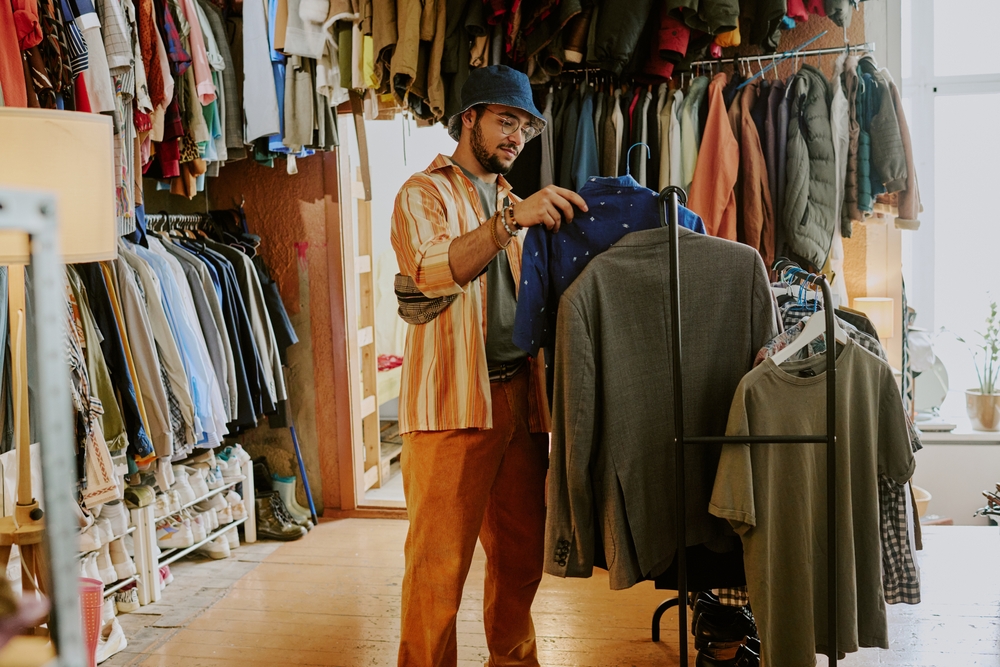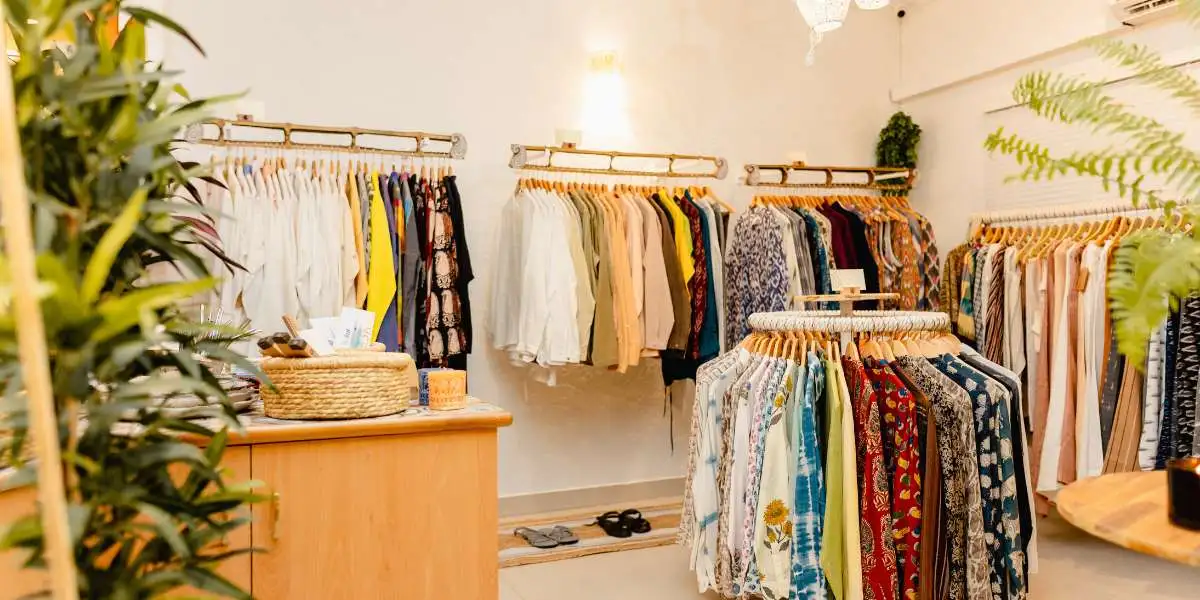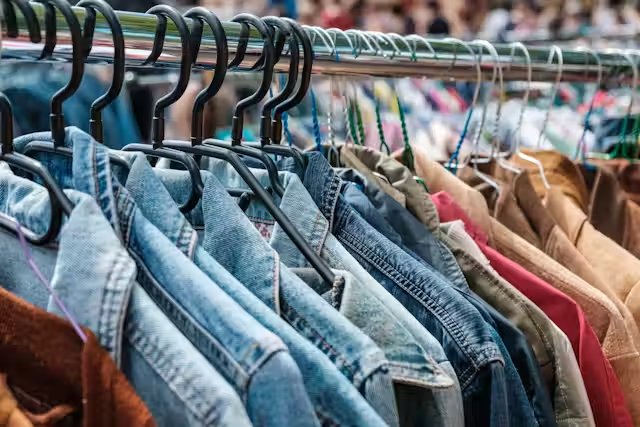
Hey there, picture this: It’s a crisp fall morning in 2010, and I’m rummaging through a thrift store in Brooklyn, hunting for a vintage denim jacket that won’t break the bank. Back then, I was a broke college kid, juggling part-time gigs and dreaming of a wardrobe that screamed “effortlessly cool” without feeding the fast-fashion beast. Little did I know, that jacket—faded, frayed, and full of stories—would outlast half the trendy tops I’d impulse-bought from chain stores. Fast forward to today, and that same jacket still hangs in my closet, a quiet rebel against the throwaway culture that’s swallowed the industry. But here’s the kicker: while my thrift score feels like a win, the global machinery behind modern fashion is a wild ride of abundance and excess, trade deals that span continents, and a growing push for something better. Let’s dive into how fast fashion exploded through global trade, why it’s both a boon and a burden, and how we’re inching toward sustainable abundance that doesn’t leave the planet picking up the tab.
What Is Fast Fashion?
Fast fashion is that whirlwind of cheap, trendy clothes hitting stores faster than you can say “outfit of the day.” Think Zara dropping new collections weekly or Shein flooding your feed with micro-trends for pennies. It’s a business model born in the late ’80s and ’90s, supercharged by globalization, where brands churn out thousands of styles a year to keep up with social media-fueled whims.
At its core, it’s about speed and scale—design, produce, sell, repeat. But as someone who’s watched friends drown in impulse buys only to donate piles by spring, I can tell you it’s addictive yet fleeting. The thrill of a $10 dress fades quick when it pills after one wash. And while it democratizes style, making runway looks accessible, it often does so at the expense of quality and ethics. We’ve got more clothes than ever, yet satisfaction? That’s rarer.
The Role of Global Trade in Fast Fashion’s Rise
Global trade turned fast fashion from a niche idea into a trillion-dollar juggernaut, stitching together supply chains that span the globe. Agreements like the end of the Multi-Fiber Arrangement in 2005 opened floodgates, letting brands source cotton from India, sew in Bangladesh, dye in Vietnam, and sell in New York—all with minimal tariffs. It’s like a well-oiled machine, but one that hums on low wages and lax regs.
I remember scrolling through factory photos during a late-night study session years ago, struck by how a simple tee’s journey fueled jobs in far-off places but also sparked debates on fair pay. Trade pacts like NAFTA (now USMCA) and the WTO’s textile rules slashed costs, letting H&M and Forever 21 flood markets with affordable gear. Result? Clothing prices dropped 10% globally since 2000, putting style in reach for billions. Yet, this hyper-connected web amplifies vulnerabilities—tariffs spike, and suddenly your supply chain’s in chaos.
Environmental Impacts: The Hidden Cost of Cheap Threads
The environmental toll of fast fashion is staggering, like a party crasher who trashes the house and leaves without cleaning up. The industry guzzles 93 billion cubic meters of water yearly—enough to fill 37 million Olympic pools—and spews 10% of global CO2 emissions, outpacing all international flights combined. Synthetic fabrics shed microplastics that clog oceans, while chemical dyes poison rivers in producing countries.
Last summer, I walked a beach in Ghana littered with discarded Western castoffs—vibrant prints tangled in seaweed, a stark reminder of how our abundance becomes their burden. By 2025, if trends hold, clothing consumption could jump 63%, piling 134 million tons of waste annually. It’s not just stats; it’s scorched earth for future wardrobes. Humor me here: If fast fashion were a diet, it’d be all junk food—tasty now, regret later.
Social and Economic Dimensions Across Borders
Economically, fast fashion’s a double-edged sword, lifting millions out of poverty while sharpening inequalities. In Bangladesh, garment factories employ 4 million, mostly women, boosting GDP by 11%. Trade opens doors, fostering cultural mash-ups where African prints meet Parisian cuts. But socially? Sweatshops with 14-hour shifts and $2 daily wages tell a grimmer tale—exploitation masked as opportunity.
I once chatted with a seamstress in Hanoi via a fair-trade doc; her quiet pride in her work clashed with exhaustion from quotas. Global trade promises abundance, but without safeguards, it’s uneven. Developing nations gain jobs, yet bear pollution and waste dumps from the Global North. It’s abundance for some, scraps for others—time to even the scales.
Pros and Cons of Fast Fashion in Global Trade
- Pros:
- Affordable access: Lowers barriers, letting everyday folks like my student self snag trendy pieces without debt.
- Job creation: Fuels employment in emerging economies, with 75 million jobs worldwide.
- Cultural fusion: Blends styles, sparking creativity across borders.
- Cons:
- Labor abuses: Forced overtime and unsafe conditions, as in Rana Plaza’s 2013 collapse.
- Waste export: 15 million tons of used clothes dumped yearly in Africa, killing local industries.
- Volatility: Trade wars hike costs, squeezing margins.
Sustainable Abundance: A New Path Forward
Sustainable abundance flips the script—plenty without plunder. It’s about thriving ecosystems where clothes last, loops close, and trade builds equity. Imagine wardrobes full of versatile pieces that evolve with you, not expire. Cato’s take nails it: Globalization birthed clothing plenty, but sustainability refines it into something regenerative.
From my balcony garden (a mini rebellion against consumerism), I’ve learned abundance isn’t hoarding—it’s harmony. Brands now weave in recycled fibers, cutting virgin material use by 20% in pilots. Trade can pivot too, with green clauses in deals like RCEP prioritizing eco-standards. It’s optimistic, sure, but grounded: By 2030, circular models could unlock $700 billion in value.
Circular Economy in Fashion: Closing the Loop
The circular economy in fashion is like giving your favorite jeans a second act—design, use, reuse, recycle. It’s a shift from linear “take-make-waste” to loops that regenerate, slashing emissions by 45% if scaled. Brands like Patagonia repair free, extending garment life twofold.
I fixed a tear in that old jacket last year—simple stitches, big satisfaction. Globally, it’s resale booming (Vestiaire Collective hit $4B valuation) and rental apps cutting new buys by 30%. Challenges? Mixed fibers complicate recycling, but innovations like enzymatic breakdown are game-changers. Trade fits in via shared standards, turning borders into bridges for recycled goods.
Comparison: Fast Fashion vs. Sustainable Models
| Aspect | Fast Fashion | Sustainable Abundance |
|---|---|---|
| Production Speed | 2-4 weeks per cycle | Seasonal drops, focus on timeless |
| Material Use | 60% synthetics, virgin fibers | 70% recycled/organic by 2025 goals |
| Waste Output | 92M tons/year globally | 50% reduction via loops |
| Cost to Consumer | $10-30/item, short lifespan | $50-150/item, lasts 5x longer |
| Trade Impact | Relies on low-tariff exploitation | Green pacts for ethical sourcing |
This table highlights the pivot: Fast fashion’s quick hits versus sustainable’s long game. I’ve tallied my closet—swapping fast for slow saved $200 yearly, plus the eco-glow.
Best Tools and Brands for Sustainable Fashion
Want to dip in? Start with these—navigational gold for ethical buys. For tools, apps like Good On You rate brands’ sustainability (free, user-friendly). Transactionally, try Nuuly for rentals ($98/month, endless outfits) or ThredUp for thrifted gems (under $20 steals).
Top brands for 2025? Patagonia for rugged ethics (B Corp certified, repairs forever); Reformation for chic minis (climate positive by ’25); Everlane for transparent basics (know your factory). Where to get? Patagonia’s site or Reformation’s shop. They’re not just clothes; they’re commitments.
- Budget Pick: Girlfriend Collective—leggings from recycled bottles, sizes XXS-6XL.
- Luxury Lean: Stella McCartney—vegan icons, blockchain-traced.
- Rental Revolution: Rent the Runway—curate your closet, zero waste.
These aren’t fads; they’re futures. I snagged Reformation jeans last month—fit like a dream, guilt-free.
People Also Ask: Real Questions from the Search Trenches
Drawing from Google’s “People Also Ask” on fast fashion sustainability, here’s the scoop on what folks wonder:
Is fast fashion getting more sustainable?
Kinda—brands like H&M tout recycled lines, but core models lag. True shifts need policy muscle, like EU’s 2025 textile rules mandating separate collection. Baby steps, but demand more.
How can I avoid fast fashion on a budget?
Thrift apps like Depop (deals under $15) or swap meets. Buy quality basics that mix-match—my rule: One in, one out. Saves cash, cuts clutter.
What’s the environmental impact of one fast fashion item?
A single polyester tee? 5.5kg CO2 (car trip Paris-Lyon) and 2,700L water for cotton kin. Oof—opt for linen next time.
Are there fast fashion alternatives that are affordable?
Yep! Kotn’s organic cotton tees ($30) or Uniqlo’s recycled fleece (ironically ethical pivots). Focus on versatile pieces; abundance is in wearability.
These queries mirror our collective guilt-to-action arc—relatable, right?
FAQ: Your Burning Questions Answered
Q: What exactly is sustainable abundance in fashion?
A: It’s the sweet spot where global trade delivers plentiful, ethical clothes without wrecking the planet. Think diverse styles from recycled loops, fair wages baked in—abundance that’s regenerative, not extractive.
Q: How does global trade enable fast fashion’s problems?
A: Low-barrier deals like WTO pacts slash costs but ignore externalities—pollution, labor. Solution? Embed green standards, as in RCEP’s eco-clauses.
Q: Best beginner tools for switching to sustainable fashion?
A: Track with Depop for secondhand; rate via Good On You app. For buys, Everlane’s basics—transparent, timeless.
Q: Can fast fashion ever be part of a circular economy?
A: Tough, but possible via resale arms (Zara’s pre-owned trials). Core fix: Slow production. Start small—repair one item this week.
Q: Where to find affordable sustainable brands in 2025?
A: Organic Basics for undies ($20+); Mate the Label for loungewear. Shop ThredUp for 90% off retail—win-win.
Wrapping this up, remember that Brooklyn thrift haul? It’s proof we can curate abundance mindfully. Fast fashion’s trade-fueled frenzy gave us options, but sustainable paths promise longevity—for clothes, communities, and our shared home. Next time you shop, ask: Does this add to the pile or the story? Your closet, and the world, will thank you. What’s one swap you’ll make? Drop it in the comments—let’s build this together.