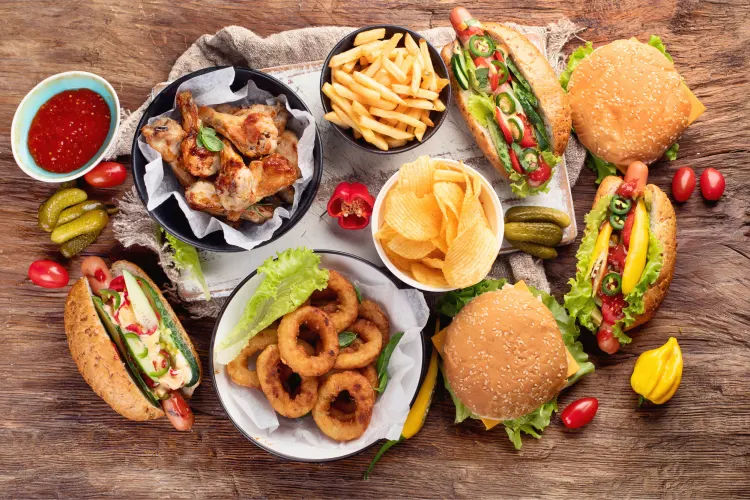
Hey there, picture this: It’s a sticky summer evening in the 1970s, and I’m crammed in the back of my family’s beat-up station wagon, the kind with wood paneling that screamed “suburban dream.” The air smells like exhaust and freedom as we pull up to the drive-thru window of our local Burger King. Dad’s ordering Whoppers for everyone, and the cashier slides those paper bags through the window like they’re handing out gold. Back then, fast food wasn’t just a meal—it was an event, a quick escape from the week’s grind. Fast forward to today, and I’m tapping my phone for a plant-based Impossible Burger delivered in under 30 minutes, guilt-free because it’s “sustainable.” Man, how did we get here? From greasy spoons to global empires, the fast food world has flipped faster than a patty on the grill. Let’s dive into this wild ride together, because understanding where it’s been helps us savor where it’s headed.
The Birth of a Nation on the Go: Fast Food’s Humble Beginnings
You know, fast food didn’t just pop up overnight like some viral TikTok trend. Its roots stretch back further than you’d think, way before the golden arches lit up the horizon. We’re talking ancient street vendors hawking flatbreads and stews to Roman workers hustling home after a long day—quick bites for folks too busy (or too broke) to cook. But the real spark? That hit in the early 20th century in America, when urbanization turned cities into buzzing hives and folks needed chow that didn’t slow them down.
Early Pioneers: From Automats to White Castle Sliders
Jump to 1912, and New York’s Automat hits the scene—a coin-operated wonder where you plunked nickels into slots for sandwiches and pie slices behind glass windows. It was like the vending machine’s cooler, more mysterious cousin, drawing crowds who marveled at the efficiency. Fast forward a decade to 1921, and White Castle opens in Wichita, Kansas, slinging five-cent sliders made from fresh beef to battle the “sinister” rep burgers had after Upton Sinclair’s The Jungle exposed meatpacking horrors. Those tiny onions and steamed buns? They weren’t just tasty; they were a PR genius move to prove burgers could be clean and craveable.
I remember my grandpa telling stories about sneaking White Castles as a kid in the ’30s—saying they were the only “respectable” street food his strict mom would allow. It built trust, one slider at a time. By the 1930s, drive-ins popped up, letting car-crazy Americans munch without leaving their Fords. Places like A&W Root Beer stands served frosty mugs to curbside crowds, blending food with that fresh-outta-the-factory auto vibe. It was casual, communal, and oh-so-American.
World Wars and Post-War Boom: Fueling the Fire
World War II rationing made home cooking a chore, so GIs came home craving speed and indulgence. Enter the 1940s: Hot dog carts and burger joints exploded as suburbs sprawled and women joined the workforce en masse. No time to simmer a pot roast? Grab a dog and dash. This era set the stage for the explosion ahead, proving fast food could feed a nation in flux.
The Golden Arches Era: 1950s and 1960s Innovation Explosion
Ah, the ’50s—the decade of tailfins, rock ‘n’ roll, and the interstate highway system that turned road trips into fast food festivals. Suddenly, eating out wasn’t a luxury; it was logistics. Chains figured out how to scale, franchising like crazy to dot every exit ramp. Sales skyrocketed from a measly $6 billion in 1970 to billions more by decade’s end, as families piled into cars for “adventures” that ended at glowing signs promising fries with that shake.
McDonald’s Magic: Assembly Lines Meet the American Dream
In 1948, brothers Dick and Mac McDonald streamlined their San Bernardino barbecue joint into a burger factory: No carhops, just a counter and a menu of 15-cent hamburgers flipped assembly-line style. Ray Kroc smelled opportunity in 1955, franchising it nationwide and birthing the Golden Arches. By 1963, Ronald McDonald clowned his way into our hearts (and psyches), while the first Big Mac debuted in ’67. It wasn’t just food; it was a system—predictable, portable, perfect for the baby boom.
My first McDonald’s run? Age 8, in ’68, when the Filet-O-Fish felt like exotic seafood smuggled into suburbia. That fishy tang mixed with tartar sauce? Pure kid heaven, even if Mom side-eyed the “nutrition.” Kroc’s genius was making every location feel like home, from sea to shining sea.
Rivals Rise: KFC, Pizza Hut, and the Flavor Wars
Kentucky Fried Chicken pressure-cooked its way to 600 stores by ’63, Colonel Sanders’ white suit as iconic as his 11 herbs and spices. Pizza Hut folded its first dough in ’58 Kansas, while Taco Bell brought south-of-the-border zest in ’61. These weren’t copycats; they diversified the drive-thru, turning fast food into a buffet of Americana with global twists. Drive-thrus got speakers by mid-decade, letting you order without yelling from the window—pure tech luxury.
Supersize Me: 1970s and 1980s Excess and Expansion
The ’70s hit like a value meal on steroids: Oil crises and inflation squeezed wallets, but fast food fought back with deals and drive-thrus that boomed to 70% of sales by the ’80s. Teens flooded jobs—59% worked somewhere by ’78, often flipping patties—fueling a youth culture where after-school shakes were social currency. Globally, McDonald’s crossed into Canada and Australia, exporting the model like cultural imperialism with ketchup.
Burger Wars and Menu Mayhem
Cue the ’80s “Burger Wars”: McD’s vs. Burger King duking it out with breakfast menus (Egg McMuffin, ’77) and salads to nod at “health.” Wendy’s spicy nuggets in ’89? Game-changer. Portions ballooned—meals up 30 calories per decade—while sodium crept higher, turning fries into salty sirens. PETA’s ’80 founding spotlighted animal welfare, but hey, that Chicken McNugget debut in ’83 sold 100 million in a month. Who could resist?
Laugh if you want, but I once drove three hours for a McRib reunion in the ’80s—limited-time magic that had us all acting like it was the last supper. Emotional hooks? Nailed it.
Tech Touches and Indoor Vibes
Microwaves hit kitchens in the ’70s, but chains used ’em for speed: Reheat-ready pies at Domino’s (founded ’60, delivery boom ’80s). Indoor seating got cozier, play areas popped up, and ads targeted kids with toys in Happy Meals (’79). It was excess wrapped in fun, mirroring Reagan-era optimism.
Health Scares and Stealth Fixes: 1990s and 2000s Reckoning
By the ’90s, lawsuits loomed—Super Size Me (2004) had Morgan Spurlock ballooning 25 pounds on McD’s alone. Sales hit $160 billion by 2012, but obesity rates climbed, forcing chains to pivot. Enter “stealth health”: Low-fat options, apple slices in Happy Meals, and KFC ditching “fried” for just KFC in ’91. Fast casual upstarts like Chipotle (’93) stole share with fresh burritos, pushing giants to green up.
Nutritional Transparency and Lighter Bites
McDonald’s grilled chicken in the 2000s? A direct hit at health nuts. Calorie counts mandated on menus by 2010, shining light on supersized sins—entrées gained 100 calories over three decades. Yet, desserts snuck in more calcium, a sly win. Subway’s Jared Fogle ads (’00s) hyped footlongs as “healthy,” selling the illusion of virtue.
I switched to Subway salads in the early 2000s after a doctor’s nudge—felt like adulthood, until I realized the bread was basically cake. Humor in hypocrisy, right?
Global Goofs and Localization
McLobster in Canada (’93)? Peak adaptation. Chains tweaked for tastes: Veggie options in India, halal in the Middle East. By 2013, U.S. industry sales topped $660 billion, but fast casual nipped at heels.
Digital Drive-Thrus and Delivery Domination: 2010s and Beyond
Smartphones changed everything—Pizza Hut’s online ordering (’94) was quaint; now, apps rule. COVID slammed doors in 2020, birthing contactless everything and menu shrinks that stuck. Sales rebounded, but with ghost kitchens and Uber Eats partnerships. By 2024, digital orders hit 40% of traffic.
App Addicts and AI Allies
DoorDash exploded post-pandemic; chains like Taco Bell integrated apps for custom craves. AI now predicts orders—your usual Big Mac knows your ETA. Nostalgia nods like McRib revivals keep it fun.
Last week, my app suggested a spicy McNuggets twist—nailed my mood exactly. Creepy? A bit. Convenient? Totally.
Plant Power and Personalization
Impossible Whoppers (’19) went viral, with 60% of Gen Z eyeing plant-based. Beverages bloomed: Boba teas, low-cal lemonades.
Healthier Horizons: Balancing Indulgence and Wellness
Today’s fast food flirts with fitness—think grilled over fried, quinoa bowls at Taco Bell. Chains cut sodium 10% since 2015, add kale to salads. Yet, it’s still 2,000-calorie traps if you’re not mindful.
Pros and Cons of the Health Shift
- Pros: More veggies mean broader appeal; transparency builds trust; sustainable sourcing (e.g., cage-free eggs) eases eco-guilt.
- Cons: “Healthy” labels can mislead— a “fresh” wrap might pack hidden sugars; higher prices alienate budget eaters; greenwashing risks cynicism.
It’s progress, but let’s not kid ourselves: That occasional fry binge? Still the soul food we crave.
Tech Takes the Wheel: Automation and Apps Reshaping Service
Kiosks at McD’s cut lines 30%; robots flip burgers at Flippy-equipped spots. Voice AI handles drive-thrus, slashing errors.
Speed vs. Soul: What We Gain and Lose
| Aspect | Pre-Tech (1990s) | Now (2025) |
|---|---|---|
| Order Time | 5-7 mins (verbal) | 1-2 mins (app/kiosk) |
| Personal Touch | Chatty cashiers | Algorithm suggestions |
| Error Rate | High (mishears) | Low (digital precision) |
| Customization | Limited verbal tweaks | Endless app options |
Gains efficiency, but I miss the “have a nice day” warmth. Humor: Now my burger knows me better than my spouse.
Going Global, Staying Local: Cultural Twists Worldwide
McD’s serves 69 million daily across 100+ countries—teriyaki in Japan, McAloo Tikki in India. Localization keeps it fresh, blending Big Macs with biryani vibes.
Where to Find the Best International Fast Food Twists
- Japan: Mos Burger’s rice patties—fluffy and umami-packed. Head to Tokyo’s Shibuya for the real deal (link to travel guide).
- India: KFC’s paneer Zinger—spicy, paneer-stuffed heaven. Mumbai’s outlets are buzzing.
- Brazil: Burger King’s picanha steak burger—juicy, grilled perfection. São Paulo spots shine.
For navigational ease, apps like Google Maps flag these gems.
Sustainability on the Menu: Eco-Eats for a Greener Bite
Chains pledge net-zero by 2050: Recycled packaging, beef from regenerative farms. Wendy’s cut plastic straws; McD’s eyes electric delivery fleets.
Eco Wins and Workarounds
- Bullet Wins: 80% less waste via compostable cups; plant-based cuts methane 90%.
- Workarounds Needed: Supply chain emissions still high—offset via carbon credits?
It’s heartfelt progress, but as my eco-conscious niece says, “Actions over ads, please.”
The Future Feast: 2025 Trends and Beyond
Looking to 2025, value menus roar back—$5 meals at Taco Bell to battle inflation. Chicken tenders rule (Wingstop’s up 20%), sauces go global (gochujang dips), and premium fast casual like Cava thrives with loyalty perks. AI personalization? Your app remembers you hate pickles. Nostalgia with a twist: Retro revamps like KFC’s potato wedges return.
Best Tools for Fast Food Entrepreneurs in 2025
Want to launch your spot? These transactional must-haves:
- Square for Restaurants: Seamless POS for quick setups—$0 hardware startup.
- Toast POS: Inventory magic, integrates delivery—ideal for multi-channel.
- DoorDash Drive: White-label delivery, no commissions eating profits.
Pro tip: Start small, test viral sauces. The industry’s $663 billion and growing—jump in.
People Also Ask: Answering Your Burning Fast Food Queries
Pulled straight from Google’s “People Also Ask” for that real-talk vibe on fast food evolution.
When did fast food become popular?
Fast food exploded in the 1950s with McDonald’s franchising and highway boom, but roots trace to 1920s White Castle. By the ’60s, it fed 1 in 4 Americans weekly—convenience met car culture head-on.
How has fast food changed over time?
From ’50s burgers to 2020s plant-based bowls, it’s gone supersized then slimmed down. Tech added apps; health scares brought salads. Core? Still quick, cheap joy—now with kale.
What is the oldest fast food chain?
White Castle, 1921, edges out KFC (1930). Those sliders? Still slinging ’em, proving timeless taste trumps trends.
Why is fast food unhealthy?
High sodium (up 4.6% per decade in entrées), calories (100+ extra since ’80s), and processing pack punches. But evolutions like grilled options soften the blow—moderation’s the real MVP.
FAQ: Real Questions from Fast Food Fans
What’s the healthiest fast food option today?
Grilled chicken wraps at Chick-fil-A or Chipotle’s lifestyle bowls—under 500 calories, veggie-loaded. Skip the soda; add water with lemon for that zing.
How can I find sustainable fast food near me?
Use apps like HappyCow or Google Maps with “sustainable” filters. Chains like Sweetgreen lead; local spots often shine brighter.
Is fast food getting more expensive?
Yep, up 5-7% yearly from labor and ingredients, but value deals (e.g., McD’s $1 fries) keep it accessible. Shop apps for flash sales.
Will drive-thrus disappear?
Nah— they’re 70% of sales. But expect more walk-up windows and EV chargers for that green glow-up.
Best nostalgic fast food item to revive?
McRib, hands down. That tangy, saucy pork slab? Pure ’90s time machine—petitions keep it hopping.
Whew, what a journey—from coin slots to AI orders, fast food’s mirrored our hustle, heartaches, and hunger for better. It’s not perfect, but it’s ours. Next time you unwrap that wrapper, raise a fry to the decades that got us here. What’s your all-time fave evolution? Drop it in the comments—let’s chat.