Imagine waking up to a world bursting with new life—tiny hearts beating in eggshells cracking open, wobbly legs taking first steps, and the quiet miracle of a calf nudging its mother under a vast sky. That’s the rhythm of our planet, a nonstop symphony of births that keeps ecosystems humming and farms turning. But here’s the kicker: while we humans celebrate around 385,000 babies born each day, the animal kingdom dwarfs that number into oblivion. As someone who’s spent years volunteering at wildlife sanctuaries, watching a litter of fox kits emerge from their den at dawn, I can tell you this isn’t just numbers on a page. It’s the raw pulse of survival, the delicate balance that makes Earth feel alive. In this deep dive, we’ll unpack the staggering scale of animal births worldwide, drawing from solid science and a bit of wonder to make sense of it all.
The Mind-Boggling Scale of Daily Animal Births
Picture this: every second, somewhere on Earth, an animal takes its first breath. From the depths of oceans to the buzz of backyard gardens, births happen in waves we can barely fathom. Estimates from biologists and organizations like the BBC and the Food and Agriculture Organization (FAO) suggest that trillions—yes, trillions—of animals are born daily, driven mostly by the explosive reproduction of tiny invertebrates. But don’t let the big figures fool you; behind them lie stories of resilience and fragility that remind us how interconnected we all are.
It’s not just about quantity, though. These births fuel food chains, pollinate crops, and even shape our weather patterns through soil turnover by worms. As a hiker who’s stumbled upon a sea turtle nesting frenzy on a moonlit beach, I’ve felt that awe firsthand—the sand alive with hundreds of hatchlings scrambling to the sea. Yet, for every one that makes it, countless more don’t, highlighting nature’s tough math.
Why Counting Animal Births Is Trickier Than You Think
Getting an exact tally feels like chasing fireflies at dusk—beautiful but elusive. Animals reproduce in wildly different ways: some lay millions of eggs in a frenzy, others birth a single precious offspring after months of gestation. Factors like habitat loss, climate shifts, and human activity throw curveballs into the data, making global estimates a blend of fieldwork, satellite tracking, and clever modeling.
Experts rely on sampling—think nematode counts in soil cores or chicken hatchery logs from the FAO—to extrapolate. But unknowns abound; we’ve only explored a sliver of ocean floors where countless species hide. It’s humbling, really, and a call to protect what we do know before more vanish.
Farm Animals: The Unsung Heroes of Our Plates and Birth Stats
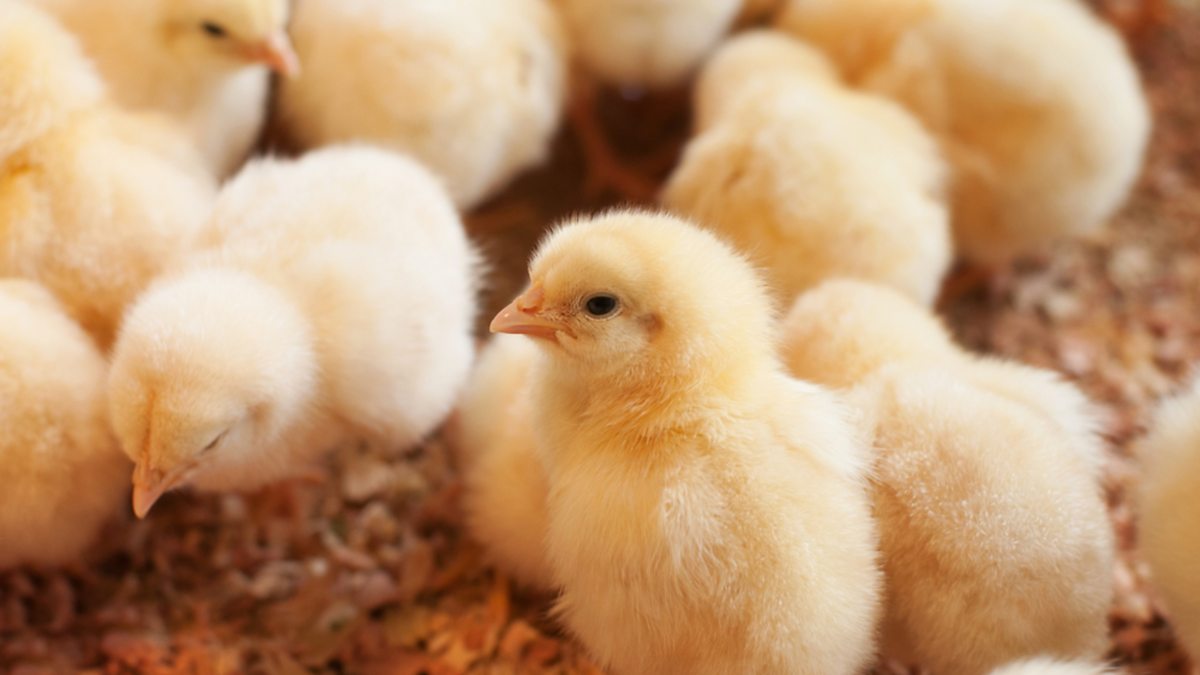
On sprawling farms from Iowa to India, livestock births form the backbone of global food systems, churning out millions daily to feed billions. Chickens top the list, with over 62 million hatching each day, according to FAO data extrapolated by BBC researchers. These fluffy chicks, destined for eggs or meat, represent humanity’s massive footprint on animal reproduction—driven by demand, not nature’s whim.
Cows follow with about 1.5 million calves born worldwide daily, based on a global herd of 1.5 billion and a 1.2 birth rate per cow yearly. It’s a cycle of life that’s efficient but intense; I’ve visited dairy farms where the lowing of newborns mixes with the hum of machinery, a poignant reminder of our reliance on these gentle giants.
Pigs add another 800,000 piglets to the tally, with sows averaging two litters of 10-12 each year. These numbers aren’t just stats—they sustain economies but raise ethical questions about welfare in crowded conditions.
Chickens: The Daily Million-Marker
Hens don’t “birth” in the mammalian sense; they lay eggs that hatch into 62 million chicks daily in industrial setups. This frenzy stems from selective breeding for rapid cycles— a single hen can produce 250-300 chicks over her laying life.
It’s a far cry from wild jungle fowl, who raise just a handful. Light humor here: if chickens ruled the world, we’d all be clucking under feather rule.
Cows and Calves: A Slower, Steadier Rhythm
With gestations of nine months, cow births are more deliberate—around 1.5 million per day globally. Dairy breeds like Holsteins often twin, boosting numbers, but each calf bonds deeply with its mom in those first hours.
From my time bottle-feeding orphaned calves, I know that bond’s magic; it’s why sustainable farming pushes for better practices.
Pigs: Litters That Keep the Cycle Spinning
Sows birth 800,000 piglets daily, with litters up to 14. Weaning happens fast—at three weeks—fueling growth for market. Yet, this speed comes at a cost; overcrowding stresses mothers and young alike.
Wildlife Wonders: Births in the Wild That Defy Imagination
Step off the farm into forests and savannas, and wildlife births paint a picture of raw diversity—from elephant calves trumpeting at dawn to insect swarms blotting the sky. Globally, wild mammals birth far fewer than livestock—perhaps 100,000-500,000 daily across species—but their impact echoes louder in biodiversity.
Elephants, for instance, add about 300 newborns a day from a population of 400,000, with 22-month pregnancies yielding one calf. It’s a high-stakes event; I’ve witnessed a herd’s protective circle around a birth in Kenya, a testament to family ties in the wild.
Birds contribute massively too—songbirds alone might hatch millions daily during breeding seasons, though exact figures elude us due to migratory patterns.
Insects and Invertebrates: The Trillion-Dollar Baby Boom
Here’s where numbers explode: nematodes alone birth 600 quintillion daily on land, per physicist Prof. Armin Rossberg’s models for the BBC. These microscopic worms, wriggling in every soil clod, lay five eggs hourly with a 1% hatch rate—scaled across Earth’s 150 trillion square meters of land.
Bees add 371 million workers yearly, or about a million daily, via queen-laid eggs. Ants? Quadrillions, with colonies birthing thousands per day. It’s comical in scale—if insects threw parties, we’d never sleep.
Mammals in the Wild: Fewer but Fiercer
Wild mammals birth modestly: deer around 200,000 fawns daily, rabbits up to 2 million kits in peak seasons (UK estimates scaled globally). Predators like lions add just dozens, with litters of 2-4 every two years.
These births sustain balance; without them, prey booms and crashes ecosystems.
Marine Marvels: Ocean Births Beneath the Waves
Oceans teem with births we scarcely see—fish release billions of eggs daily, though survival’s a lottery (less than 0.5% for many). Seahorses birth 1,000 mini-mes per male pouch, while sharks pup 10-100 live young biannually.
Whales? A mere 200 calves daily from 1.3 million individuals. Diving with humpbacks off Hawaii, hearing a newborn’s first calls, it’s a profound whisper of ocean life.
The Flip Side: How Many Animals Die Each Day?
Births thrill, but deaths temper the joy—nature’s equilibrium demands it. For every birth, a death somewhere, often brutally swift. Insects lose trillions to predators and weather; livestock, hundreds of millions to slaughter.
In the wild, a fawn’s 50% infancy mortality underscores the odds. Globally, perhaps 10-50 billion land animals die daily, per rough WWF and FAO alignments. It’s sobering; as a sanctuary volunteer, nursing a bird hit by a car, you feel the weight of that churn.
Yet, this cycle builds resilience—survivors pass on strength.
Human Impact: Boosting Births, Stealing Futures
We humans turbocharge some births (factory farms) while slashing others (deforestation wipes 83% of wild mammals, per a 2018 PNAS study). Our 36% share of mammal biomass crowds out the wild’s 4%, flipping nature’s script.
Climate change disrupts breeding—coral spawning fails in warmer waters, bird migrations skew. But hope glimmers: rewilding projects birth new populations, like wolves in Yellowstone restoring balance.
It’s our story too; protecting births means safeguarding our air, water, future.
Comparison: Animal Births vs. Human Births
| Category | Daily Births (Estimate) | Key Notes |
|---|---|---|
| Humans | 385,000 | Steady global rate of 17.3 per 1,000 people; dropping in developed nations. |
| Chickens (Livestock) | 62 million | Industrial scale; 23 billion slaughtered yearly. |
| Nematodes (Wild Inverts) | 600 quintillion | Microscopic dominance; essential for soil health. |
| Dogs (Pets/Strays) | 1.2 million | Overpopulation crisis; 70,000 puppies/kittens daily in US alone. |
| Fish (Marine) | Billions (eggs) | Low survival; ocean sunfish up to 300 million eggs per spawn. |
This table highlights the gulf—our births are intimate; animals’ are oceanic.
Pros and Cons of High Animal Birth Rates
Pros
- Biodiversity Boost: Fuels evolution, with resilient genes thriving.
- Ecosystem Services: Pollinators and decomposers keep soils fertile, crops growing.
- Food Security: Livestock births feed 8 billion humans reliably.
Cons
- Overpopulation Strain: Leads to habitat loss, disease spikes in crowds.
- Suffering Cycles: High mortality means short, harsh lives for many.
- Environmental Toll: Farm births drive deforestation, methane emissions.
People Also Ask: Unpacking Common Curiosities
Diving into Google’s “People Also Ask” reveals the questions bubbling up when folks ponder animal births—like a collective “Whoa, really?” Here’s a roundup with straight-talk answers.
How Many Dogs Are Born Per Day in the World?
Around 1.2 million puppies worldwide, per veterinary estimates from groups like the ASPCA. In the US alone, 70,000 pups and kittens arrive daily, fueling shelter crises. Spaying helps—I’ve fostered litters that tug at your heart, but prevention’s kinder.
How Many Cats Are Born Every Day?
About 18,000-20,000 kittens globally for domestics, scaling from US figures of 70,000 combined with dogs. Feral colonies explode without intervention; trap-neuter-release programs cut that by half in my local efforts.
How Many Chickens Are Born Every Day?
Over 62 million, thanks to hatcheries processing billions annually. It’s a feather-ruffling stat—humans eat 80 billion chickens yearly, per FAO. Ethical farming’s gaining traction for happier flocks.
Which Animal Gives Birth to the Most Babies at Once?
The ocean sunfish (mola mola) wins with up to 300 million eggs per spawn, though survival’s slim. On land, tailless tenrecs birth 32 spiky pups. Nature’s extremes amaze—talk about a full house!
How Often Do Animals Give Birth?
Varies wildly: mice every 3 weeks (up to 50 pups lifetime), elephants every 4-5 years (one calf). It’s evolution’s toolkit—fast breeders flood niches, slow ones invest deep.
FAQ: Your Burning Questions on Global Animal Births
Got queries? These cover the most-searched angles, from stats to stewardship.
What Is the Most Common Animal Born Daily?
Nematodes edge out with 600 quintillion, but chickens claim the vertebrate crown at 62 million. Tiny soil-dwellers rule quietly.
Where Can I Learn More About Wildlife Birth Rates?
Check the World Wildlife Fund for reports or FAO’s livestock stats. For hands-on, visit a local sanctuary—nothing beats witnessing it live.
Best Tools for Tracking Animal Populations?
Apps like iNaturalist for citizen science sightings, or eBird for bird breeding data. For pros, GIS software from Cornell Lab maps trends. They’re game-changers for conservation.
How Does Climate Change Affect Animal Births?
Warmer temps skew breeding cycles—polar bears birth fewer viable cubs on melting ice, birds lay smaller clutches. UN reports predict 20-30% drops in some species by 2050. Action now counts.
Why Are Insect Births So High?
Survival strategy: flood the world with offspring, let odds play out. With predators everywhere, quantity beats quality—one survivor per thousand keeps colonies alive.
Whew, what a whirlwind—from quintillions of wrigglers to the solitary cry of a whale calf. These daily births aren’t just numbers; they’re the thread weaving Earth’s tapestry. As we’ve seen, our hands shape this story—through farms we amplify, through conservation we nurture. Next time you spot a bird fledgling or hear farmyard chatter, pause and marvel. It’s a reminder: in this vast birthing machine, every life matters. What’s your take—overwhelmed or inspired? Drop a thought; let’s keep the conversation alive.