Hey there, fellow plant lover—or maybe you’re just dipping your toes into this green-thumb adventure. I remember the day I brought home my first fiddle leaf fig like it was yesterday. It was this towering beauty from a local nursery, all glossy leaves and big dreams of turning my tiny apartment into a jungle. I was so excited, I plunked it right next to the window, watered it daily because “plants like water, right?” and watched in horror as its leaves drooped like sad sails a week later. Turns out, I was drowning the poor thing. That fig didn’t make it, but it kicked off a love affair with houseplants that’s still going strong a decade later. I’ve since rescued (and occasionally grieved) dozens of leafy friends, from resilient pothos vines to finicky calatheas. If you’re nodding along, feeling that mix of joy and mild panic, this guide is for you. We’re talking six straightforward indoor plant care tips that actually work—drawn from my trial-and-error garden, chats with nursery pros, and a whole lot of reading up on what makes these indoor wonders tick. No fluff, just real talk on keeping your plants happy, healthy, and thriving in your space.
Tip 1: Master the Art of Watering Without the Drama
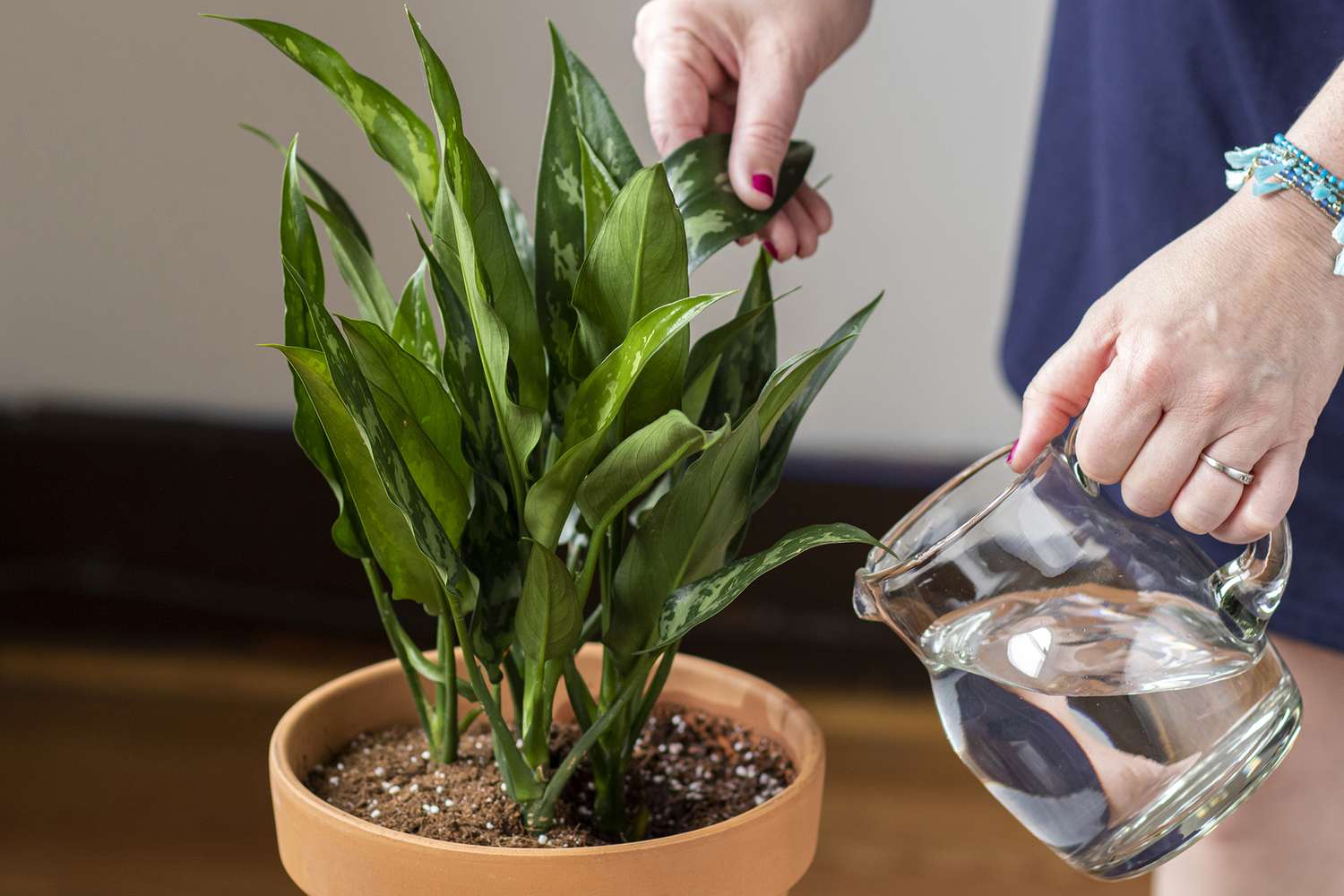
Watering might seem like the easiest part of houseplant care, but it’s where most of us trip up—and where I learned the hard way that more isn’t always better. Think about it: in the wild, plants sip from rain that trickles in just enough, not a daily deluge from an overeager human. For indoor setups, the goal is consistent moisture without sogginess, which can lead to root rot faster than you can say “yellow leaves.”
Over the years, I’ve swapped my old “stick your finger in the soil” trick for something more reliable: lift the pot. If it feels light as a feather, it’s thirsty; if it’s hefty, hold off. Succulents like my jade plant guzzle less—maybe every two weeks—while thirstier types like peace lilies perk up with weekly soaks. And here’s a light-hearted nudge: treat it like dating. Check in, but don’t smother. Your plants will thank you with vibrant growth instead of that heartbreaking wilt.
Tip 2: Find the Perfect Light Spot (No Sunburns Allowed)
Light is the unsung hero of indoor plant care—it’s their food, their energy, their everything. But get it wrong, and you’ll end up with leggy stems stretching like they’re reaching for a lifeline, or scorched leaves that look like they partied too hard in the sun. I once scorched a monstera by parking it in direct afternoon rays; it was like watching a green chipotle wrapper crisp up.
Most houseplants hail from understory spots in tropical forests, so they crave bright, indirect light—like near an east-facing window where morning sun filters through sheer curtains. Low-light champs like snake plants forgive dim corners, while high-drama divas like fiddle leaf figs demand that golden glow without the burn. Rotate your pots weekly for even exposure, and if your space is cave-like, consider a grow light—mine’s a game-changer on gloomy winter days. It’s all about matching your plant’s vibe to your home’s glow-up potential.
Tip 3: Boost Humidity the Easy Way
Humidity is that sneaky factor in houseplant care that sneaks up on you, especially in dry-heated homes or air-conditioned summers. Tropical natives like my calathea get those heartbreaking brown-tipped leaves when the air’s too Sahara-dry, turning what should be a lush frond into a crispy complaint letter.
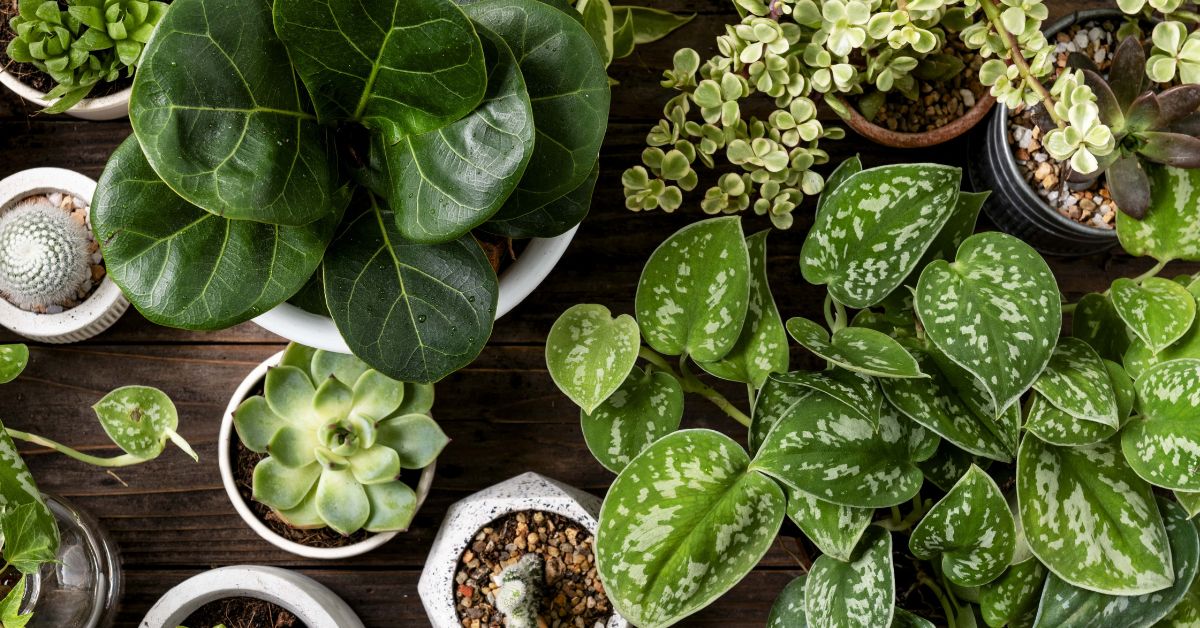
Grouping plants together creates a mini-microclimate—they transpire and humidify each other, like a supportive plant squad. I mist mine daily with a cheap spray bottle (filtered water only, to avoid mineral spots), or pop a humidifier nearby for the whole room. Pebble trays filled with water under pots work wonders too; evaporation does the heavy lifting. Funny story: my first “humidity hack” was hanging plants in the shower, but that’s a tale for when the roommate drama peaks. Keep levels around 40-50%, and watch those leaves unfurl like they’re finally breathing easy.
Tip 4: Feed Them Right, But Don’t Overdo the Feast
Fertilizing feels like giving your plants a vitamin boost, but in the rush of indoor plant care, it’s easy to turn it into an all-you-can-eat buffet—and that’s a recipe for burned roots and stunted growth. I used to dump half-strength plant food monthly, thinking more love meant more leaves, only to watch my pothos sulk.
Stick to balanced, water-soluble fertilizers in spring and summer when growth kicks into gear—dilute to quarter-strength every four to six weeks for most. Skip it in winter; they’re napping. Pros swear by slow-release spikes for set-it-and-forget-it ease. My secret? A quick soil test kit to check nutrient levels before feeding. It’s like being a plant detective: observe, adjust, and let nature do the rest. Your greenery will reward you with that satisfying new-shoot surprise.
Tip 5: Prune and Clean for That Fresh Start
Pruning and cleaning aren’t just busywork in houseplant care—they’re like a spa day that keeps energy flowing and pests at bay. Dusty leaves can’t photosynthesize properly, and leggy growth screams “help, I’m unbalanced!” My early days involved ignoring yellowing fronds until the whole plant looked defeated; now, I snip proactively.
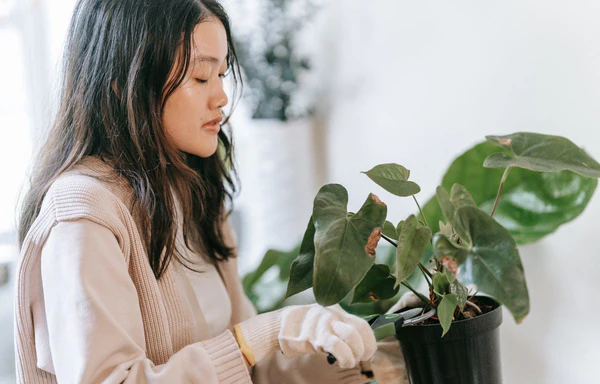
Use clean, sharp shears to trim dead bits just above a node, encouraging bushier habits—think of it as a stylish haircut. Wipe leaves monthly with a damp microfiber cloth (mild soapy water for tough spots) to boost light absorption. I chuckle at my “pruning playlist”—upbeat tunes make it fun, not a chore. Regular TLC here prevents bigger headaches, keeping your indoor oasis looking polished and pest-free.
Tip 6: Repot with Love When They’re Root-Bound
Repotting is the unsung hero of long-term houseplant care, but timing it wrong can shock your plant into a sulk. Roots circling the pot like a cramped party? That’s your cue—usually every 1-2 years for fast-growers. I once delayed on a ZZ plant until it toppled over; lesson learned.
Spring’s ideal: gently tease out roots, upgrade to a pot just 2 inches bigger with fresh, well-draining mix, and water lightly after. Add perlite for aeration if your soil’s too dense. It’s a fresh chapter—my spider plant exploded post-repot, sending out babies like confetti. Handle with care, and it’ll bounce back stronger, roots delving deep into their new digs.
Choosing Beginner-Friendly Indoor Plants: A Quick Comparison
Diving into houseplants? Start with forgiving types that match your space. Based on my collection and nursery runs, here’s a table comparing six top picks for newbies—focusing on light needs, water tolerance, and why they rock (or roll with your forgetfulness).
| Plant Name | Light Needs | Water Frequency | Why It’s Beginner Gold | Pros | Cons |
|---|---|---|---|---|---|
| Snake Plant | Low to bright indirect | Every 2-3 weeks | Tough as nails; purifies air overnight | Air-cleaning; upright swords | Slow grower; toxic to pets |
| Pothos | Low to medium | Weekly when dry | Vining wonder; trails anywhere | Propagates in water easily | Can get leggy without pruning |
| ZZ Plant | Low | Every 2-4 weeks | Drought-proof; glossy, low-fuss leaves | Thrives on neglect | Very slow; toxic if ingested |
| Spider Plant | Medium indirect | Weekly | Baby “spiders” for free plants | Pet-safe; hanging basket star | Needs humidity to avoid tips |
| Peace Lily | Low to medium | Keep moist | White blooms; droops to signal thirst | Humidity lover; elegant | Likes shade but hates dry air |
| Philodendron | Medium indirect | Weekly | Heart-shaped leaves; climbs or trails | Fast grower; forgiving | Can vine wildly if unchecked |
These aren’t just survivors—they’re the gateway drugs to a full-blown indoor jungle. I started with a pothos clipping in a jar; now it’s a curtain over my bookshelf.
Pros and Cons of Essential Plant Care Tools
Tools make houseplant care smoother, but which ones are worth the shelf space? From my toolkit (honed over years of spills and snips), here’s a pros/cons list of must-haves. Grab them at spots like The Sill for curated kits or Amazon for budget steals—local nurseries often have gems too.
- Moisture Meter
Pros: Takes guesswork out of watering; affordable ($10-20); reusable forever.
Cons: Batteries die at inopportune times; not foolproof for all soils. - Pruning Shears
Pros: Clean cuts prevent disease; compact for tight pots; multi-use for propagation.
Cons: Need sharpening; overkill for tiny plants. - Grow Light
Pros: Extends “daylight” in dim homes; full-spectrum mimics sun; timers for ease.
Cons: Electricity cost; can get hot if too close. - Humidifier
Pros: Room-wide boost for tropicals; quiet models available; doubles for human comfort.
Cons: Refills add chore; mineral buildup if not filtered. - Repotting Mat
Pros: Contains mess during transplants; waterproof and foldable.
Cons: Bulky to store; unnecessary for small collections.
Invest in quality over quantity—my trusty Fiskars shears have outlasted three moves.
Common Indoor Plant Mistakes and How to Sidestep Them
Ah, the blooper reel of my plant parenting: overwatering my first ficus until it smelled like a swamp. We’ve all been there. Here’s a bullet-point rundown of pitfalls I’ve dodged (mostly), pulled from real-life fumbles and expert chats.
- Overwatering Overload: The #1 killer—leads to mushy roots. Fix: Wait till topsoil dries; use pots with drainage holes.
- Wrong Light Blues: Too much scorches, too little stretches. Fix: Research your plant’s needs via BHG’s guide.
- Ignoring Dust Bunnies: Grimy leaves block light. Fix: Weekly wipe-downs; think of it as plant skincare.
- Fertilizer Fiascos: Too much burns edges. Fix: Half-strength in growing season only.
- Pest Party Crashers: Spider mites love dry air. Fix: Quarantine newbies; neem oil spray as prevention.
- Repotting Rush: Too big a pot drowns roots. Fix: Go up just 2 inches; springtime only.
Spot these early, and your plants stay perky. Remember, every “oops” is a step toward mastery—my crispy ferns taught me more than any book.
People Also Ask: Real Questions from Fellow Plant Parents
Ever typed “indoor plant care” into Google and scrolled those “People Also Ask” gems? They’re gold for real-talk queries. Here’s a roundup of five common ones, answered with my hands-on spin.
How Often Should You Water Indoor Plants?
It depends on the plant, but the golden rule: water when the top 1-2 inches of soil feel dry to the touch. For succulents, that’s biweekly; for ferns, keep it consistently moist. I check mine every few days—err on underwatering to avoid root rot.
What’s the Best Indoor Plant for Low Light?
Snake plants or ZZ plants top my list—they thrive in offices or basements with minimal fuss. My ZZ has survived two winters under fluorescent bulbs, popping out new leaves like clockwork. Just avoid total darkness; a little indirect glow keeps them happy.
How Do You Increase Humidity for Houseplants?
Cluster them on trays of pebbles in water, mist daily, or run a humidifier. In my steamy bathroom setup, calatheas exploded with growth. Pro tip: group tropicals—they create their own misty haven.
Why Are My Indoor Plant Leaves Turning Yellow?
Could be overwatering (soggy soil), nutrient lack, or light issues. Yellow lower leaves often mean natural aging—snip ’em. Mine yellowed from too much winter sun; a sheer curtain fixed it overnight.
How Do You Get Rid of Bugs on Indoor Plants?
Isolate the offender, then hit ’em with insecticidal soap or neem oil sprays. Prevention? Inspect new plants and keep leaves dust-free. I battled aphids on a monstera once—weekly sprays for two weeks, and poof, gone.
FAQ: Your Burning Houseplant Questions Answered
Got queries bubbling up? Here are three real-user faves I’ve fielded in plant groups, answered straight.
Q: Where Can I Buy Quality Indoor Plants Online?
A: Bloomscape ships healthy, potted stunners with care guides—my go-to for variegated monstera. Etsy sellers like ThePlantRescue offer rescues at deals, but check reviews for shipping freshness.
Q: What’s the Best Soil for Indoor Plants?
A: A well-draining potting mix with perlite or peat—avoid garden dirt, it’s too compact. I mix in orchid bark for aroids; brands like Miracle-Gro work for beginners. Refresh yearly to keep nutrients flowing.
Q: How Do I Propagate My Pothos?
A: Snip 4-6 inch stems below a node, plunk in water or soil, and wait for roots in 2-4 weeks. Mine’s turned one vine into a dozen—change water weekly to avoid funk. It’s foolproof fun.
There you have it—your roadmap to happier houseplants, minus the heartbreak. Start small, observe like a hawk, and let your space bloom. What’s your first tip to try? Drop a comment; I’d love to swap stories. Happy planting!