Hey there, fellow dirt-digger. Picture this: It’s that crisp October morning when the first real chill sneaks in, and you’re out in the yard with a steaming mug of coffee, eyeing your garden like it’s about to spill all its secrets. That’s me every fall—half excited for the quiet months ahead, half panicking because last winter, I lost a gorgeous hydrangea to a sneaky freeze I didn’t see coming. I’ve been knee-deep in gardening for over a decade now, turning a scruffy suburban plot into something that actually turns heads at the neighborhood block party. And let me tell you, nothing stings quite like watching your hard-won blooms turn to mush because you skipped the prep. But here’s the good news: With a bit of know-how, you can shield those tender treasures and wake up to a yard that’s ready to roar back in spring. We’re talking real, hands-on strategies pulled from my own trial-and-error (and a few triumphs), plus some solid advice from the pros. Let’s roll up our sleeves and get your outdoor plants winter-ready—no fluff, just the goods.
Why Protecting Outdoor Plants Matters More Than You Think
Winter isn’t just a season; it’s a full-on endurance test for your garden. Those freezing temps, whipping winds, and sneaky thaws can sneak up on even the toughest perennials, causing root heave, desiccation, or outright death. I’ve seen it firsthand—after a brutal cold snap in my zone 6 backyard a couple years back, my unprotected lavender looked like it had been through a blender. The key? Understanding that protection isn’t about coddling; it’s about giving your plants the edge to tough it out. By focusing on the right ones and the right moves, you save time, money, and that gut-wrenching regret come bloom time.
The Sneaky Threats: Frost, Wind, and Why They Hit Hard
Frost forms when air temps dip just below freezing, turning delicate leaves into brittle ice sculptures overnight—poof, goodbye growth. Wind? It’s the silent killer, drying out evergreens faster than a hairdryer on high. And don’t get me started on freeze-thaw cycles; they push shallow roots right out of the soil like unwanted houseguests. In my garden, a row of young boxwoods took a beating from desiccating gusts one January, their tips browning like forgotten toast. The fix starts with spotting these culprits early.
Which Outdoor Plants Need Your Winter TLC?
Not every green buddy in your yard demands a cozy blanket, but some are drama queens when Jack Frost shows up. We’re zeroing in on the usual suspects: tender perennials, shrubs, and container stars that can’t hack the deep freeze without help. Think about your space—zone 5 folks might baby more than zone 8 gardeners. From my plot to yours, here’s who to watch.
- Perennials like hostas and daylilies: These die back naturally, but their crowns need shielding from heaving soil.
- Shrubs such as hydrangeas and roses: Bigleaf hydrangeas especially; their buds frizzle without cover.
- Tender bulbs (dahlias, cannas): Dig ’em up if you’re not in a mild spot—I’ve skipped this once and regretted it big time.
- Evergreens like boxwoods and hollies: Wind and salt spray turn them crispy; they’re survivors but not invincible.
- Container plants (anything potted): Roots freeze solid without insulation—my potted figs learned that the hard way.
Perennials That Beg for a Mulch Hug
Perennials like peonies and salvia go dormant, but unprotected roots can heave out of the ground during thaws. Last fall, I piled leaves around my coneflowers, and they popped back greener than ever. Mulch isn’t just pretty; it’s a thermal blanket keeping soil steady at that sweet 35-45°F range.
Hardy Heroes: Plants That Laugh at Winter
On the flip side, some outdoor plants are built like tanks and barely need a glance. These cold warriors add structure and even color when everything else is snoozing. I’ve leaned on them to fill gaps in my winter landscape—no fuss, all reward. Knowing who’s self-sufficient frees you up to focus on the fragile ones.
- Hellebores (Lenten rose): Blooms right through the chill down to 14°F; mine flower by New Year’s.
- Ornamental kale and pansies: Edible eye-candy that shrugs off 5°F with a mulch topper.
- Blue spruce and wintergreen boxwood: Evergreen anchors hardy to zone 4; mulch their shallow roots and call it done.
- Winter jasmine: Yellow pops in January, no protection needed in zones 6+.
Evergreens That Stand Tall Without Backup
Broadleaf evergreens like the ones above hold their needles through snowstorms, but a quick water before freeze-up keeps them hydrated. I once forgot to irrigate my arborvitae during a dry spell—lesson learned: even tough guys get thirsty.
Step-by-Step: How to Winterize Your Outdoor Plants
Alright, let’s get tactical. Winterizing isn’t a one-and-done; it’s a series of smart moves timed right. Start in early fall, when soil’s still workable, and layer on as temps drop. I treat it like prepping for a road trip—check the forecast, pack the essentials, and go. This routine saved my garden through a polar vortex a few winters ago.
Water Deep Before the Ground Locks Up
Evergreens and shrubs lose moisture all winter but can’t sip from frozen soil—dehydration kills more than cold. Give ’em a good soak every 10-14 days until the ground ices over. In my yard, this simple step turned potential casualties into comebacks.
Mulch Like a Pro: The Ins and Outs
Apply 3-6 inches of shredded bark or leaves after the first frost, but wait—too early traps heat and invites rot. Keep it away from stems to dodge rodents. I rake my own oak leaves for this; free and effective.
Wrapping and Covering: Your Frost Shields
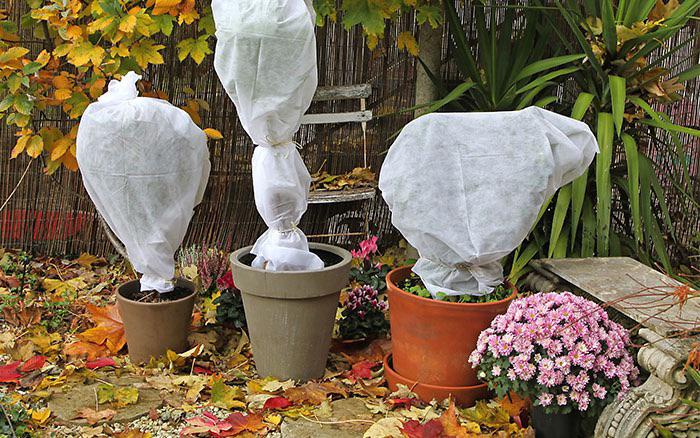
For shrubs, burlap windbreaks beat plastic every time—breathable, no sweat lodge effect. Drape fleece over perennials for overnight zingers. Funny story: I once used old bedsheets on my roses; they survived but looked like ghosts at a costume party.
| Mulch Type | Pros | Cons | Best For |
|---|---|---|---|
| Shredded Leaves | Free, lightweight, breaks down for nutrients | Can mat if wet; attracts slugs | Perennials, small beds |
| Pine Needles | Acidic boost for azaleas; stays put in wind | Pricey if bought; alters pH | Acid-lovers like blueberries |
| Wood Chips | Long-lasting insulation; weed-suppressant | Slow to decompose; don’t use fresh | Trees, shrubs |
| Straw | Excellent air flow; rodent risk low | Blows away easily; pricey | Veggies, bulbs |
Best Tools and Gear for Protecting Outdoor Plants
You don’t need a gadget graveyard to safeguard your garden—smart basics do the trick. I’ve tested the cheap hacks against the store-bought stuff, and here’s what wins. Transactional tip: Grab these from local nurseries or online spots like Amazon’s garden section for quick delivery.
Top Covers: From Fleece to Frames
Horticultural fleece is my MVP—light, reusable, and adds 4-8°F protection. For bigger setups, cold frames turn pots into mini greenhouses. I built one from scrap wood last year; zero cost, endless bragging rights.
- Pros of Fleece: Breathable, lets in light; affordable at $10-20 per roll.
- Cons: Needs daily removal in sun; tears if windy.
Wrapping Essentials for Trees and Shrubs
Burlap sacks or tree guards fend off sunscald and rabbits. Anti-desiccants like Wilt-Pruf spray on leaves to lock in moisture—game-changer for my hollies.
Comparison: Burlap vs. Plastic Wrap
| Feature | Burlap | Plastic |
|---|---|---|
| Breathability | High—prevents rot | Low—traps moisture |
| Wind Resistance | Good, natural weave | Excellent but stiff |
| Cost | $5-10 per roll | $3-8, but single-use |
| Eco-Factor | Biodegradable | Recyclable, but microplastics risk |
Pros and Cons: To Protect or Not to Protect?
Every strategy has trade-offs—I’ve weighed them all in my own yard. Protecting feels proactive, but overdoing it can backfire. Here’s the balanced view to help you decide.
Pros of Winter Protection:
- Saves favorites from freak freezes (my salvia thanks me yearly).
- Boosts spring vigor; less replanting cash.
- Builds garden resilience over time.
Cons of Winter Protection:
- Time suck—covering 20 plants at dusk? Not fun after work.
- Rodent hotels under mulch if not monitored.
- Cost creep if buying fancy gear annually.
In mild zones, skip the drama for most plants; in harsh ones, it’s non-negotiable.
When Protection Backfires (And How to Avoid It)
Too much cover leads to moldy mess—I’ve yanked soggy fleece mid-winter after a rain bomb. Ventilate daily and check for pests; prevention beats cure.
People Also Ask: Real Questions from Fellow Gardeners
Drawing from Google’s “People Also Ask” on winter plant protection, here are spot-on queries with straightforward answers. These popped up in my SERP dives—informational gold for quick wins.
What plants need to be covered in winter?
Tender perennials (hostas), young shrubs (hydrangeas), and potted tropicals top the list. Hardy evergreens like spruce? Nah, just mulch. Cover when temps hit 28°F or below for best results.
Should I water plants in winter?
Absolutely, but sparingly—once a month for evergreens if dry. Frozen ground means no uptake, so a pre-freeze deep drink prevents winter burn. I set calendar reminders after forgetting once.
How do I protect potted plants from freezing?
Cluster ’em against a wall, wrap pots in bubble wrap or burlap, and top with mulch. For extras, move to an unheated garage. My potted lavender fleet survived -10°F this way.
When should I remove winter plant covers?
Mid-spring, post-last frost (around April in zone 6). Gradual exposure avoids shock—uncover on mild days first. Rushing it fried a rose bush of mine; lesson learned.
Can I leave mulch on all winter?
Yes, but fluff it monthly to avoid matting. Remove in early spring for air flow. It’s your soil’s cozy sweater—keeps roots at even temps.
FAQ: Your Burning Winter Plant Questions
Based on common searches and chats with local gardeners, these are the hits. Short, sweet, and straight from experience.
Q: What’s the easiest way to protect roses over winter?
A: Hill up soil or mulch 12 inches around the base after the first freeze. I add chicken wire to keep leaves from blowing in—stops voles from turning it into a buffet.
Q: Do I need to dig up bulbs like tulips?
A: Nope, in zones 3-7, mulch heavily and let ’em sleep. Dahlias? Yes, store tubers indoors; mine rotted once when I got lazy.
Q: How do I shield evergreens from salt damage?
A: Plant 10 feet from roads, or erect burlap screens. Water well pre-winter—my street-side yews stayed green thanks to this.
Q: What’s a cheap DIY windbreak?
A: Stake in snow fencing or lattice panels. I rigged one with old tomato stakes and fabric; cost me under $20 and saved my viburnum.
Q: Can snow actually help my plants?
A: Sure does—it’s nature’s insulator, trapping heat around roots. Just brush heavy loads off branches to avoid snaps.
Wrapping Up: Your Garden’s Winter Game Plan
As we button up for the long haul, remember: Protecting outdoor plants is less about perfection and more about intention. That first green shoot poking through in March? It’s your payoff for those chilly afternoons spent mulching and wrapping. In my garden, we’ve got a mix of battle-scarred survivors and fresh faces, all because I learned to read the weather like a storybook. Grab your tools, check your zones (peek the USDA Hardiness Map for yours), and dive in. Your yard—and your sanity—will thank you. Got a plant puzzle? Drop it in the comments; we’re all in this leafy adventure together. Stay warm out there.