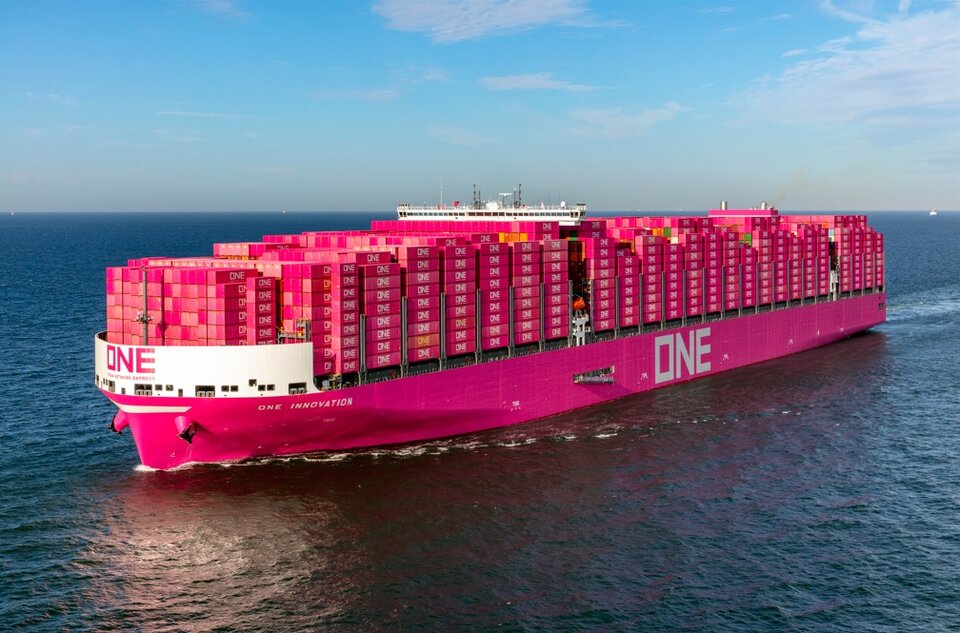
Picture this: You’re standing on a weathered dock in a bustling port, the air thick with the tang of salt and diesel fumes. Massive container ships loom like steel behemoths, their engines growling as they unload mountains of goods from halfway around the world. It’s a lifeline of modern trade, sure—but it’s also a hidden polluter, spewing out greenhouse gases that rival entire nations. Now, imagine the same scene, but with sails billowing like giant wings against the horizon, harnessing the free, endless rush of wind to pull cargo across oceans. No roar of engines, just the whisper of waves and the creak of ropes. That’s the quiet revolution unfolding in sea transport today, where old-school sailing ships are getting a high-tech makeover to slash emissions and rewrite the rules of global shipping.
I’ve felt that pull of the wind myself. A few years back, during a family trip to the Cornish coast in England, I hopped aboard a restored 19th-century lugger for a day sail. Nothing fancy—just canvas flapping in the breeze, carrying us past rugged cliffs with nothing but nature’s push. It was magic, a reminder of how our ancestors moved the world without scorching the planet. Fast-forward to now, and that same spirit is fueling cutting-edge projects that could cut shipping’s carbon footprint by up to 80%. But it’s not all smooth seas; there are hurdles, from unpredictable winds to skeptical shippers. Let’s dive in, shall we? Because if we’re serious about cleaning up the oceans, these wind-powered wonders might just be the gust we need.
The Dirty Secret of Modern Shipping
Global sea transport moves over 90% of the world’s goods, from your morning coffee to the smartphone in your pocket. But here’s the kicker: it pumps out about 3% of global CO2 emissions—more than all of aviation combined. That’s roughly 1 billion tons a year, according to the International Maritime Organization (IMO), and it’s climbing as trade booms.
Heavy fuel oil, the go-to for these diesel behemoths, isn’t just carbon-heavy; it’s laced with sulfur that chokes coastal air and acids ocean waters. I remember reading about Felixstowe, the UK’s busiest port, where locals battle smog from idling ships. It’s a stark reminder that the backbone of our economy is quietly fraying the planet’s health. Yet, the IMO’s 2023 pledge to net-zero by 2050 feels like a distant horizon without bold moves. Enter wind power: a zero-emission throwback that’s evolving into tomorrow’s tech.
What Are Wind-Powered Cargo Ships?
At their core, wind-powered cargo ships use sails, rotors, or wings to catch the breeze and propel vessels, either fully or alongside engines. Think of it as hybrid shipping—diesel for reliability, wind for the heavy lifting on emissions.
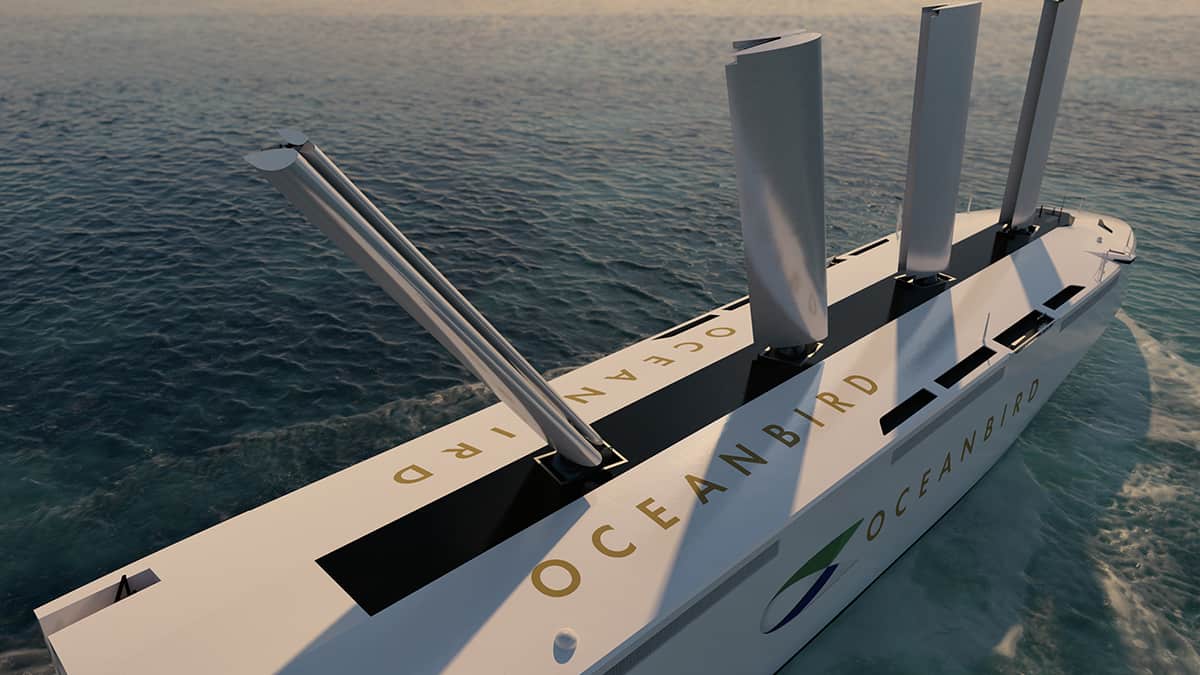
Modern twists include rigid wing sails like those on the Pyxis Ocean, which fold away in port like origami giants, or spinning Flettner rotors that create lift via the Magnus effect. These aren’t your pirate movie props; they’re engineered with composites and AI to optimize every gust. The result? Fuel savings of 10-30% on average routes, per DNV Maritime studies, with full-sail designs hitting 80% reductions. It’s like giving ships a free upgrade from Mother Nature herself.
A Brief History: From Clipper Ships to Climate Saviors
Sailing ships ruled the waves for millennia, ferrying spices from India to Europe or grain along the Nile without a whiff of fossil fuels. The 19th century’s clippers, like the Cutty Sark, zipped tea from China in record time, proving wind’s speed and scale.
Steam engines dethroned them by the 1900s, promising schedules immune to calms. But as climate alarms rang louder, visionaries circled back. In the 1970s, oil crises sparked experiments; today, it’s full steam—er, sail—ahead. The Guardian’s 2019 piece “Winds of Change” spotlighted pioneers like Fairtransport’s Tres Hombres, a brigantine hauling rum across the Atlantic emission-free. It’s a full-circle story: what powered empires now fights their fallout.
How Wind Propulsion Works in Today’s Cargo Fleets
Wind tech taps aerodynamics—air flowing over curved surfaces creates low pressure on one side, sucking the ship forward. Sails generate thrust like airplane wings; rotors amplify it with spin.
Sensors and software predict routes, trimming sails in real-time for max efficiency. On a transatlantic haul, this could shave weeks off fuel burn. No magic, just physics plus pixels. And unlike biofuels, it’s infinitely renewable—no supply chains to greenwash.
Key Players and Projects Leading the Charge
From startups to giants, the field’s buzzing. France’s Neoline launched the Neoliner Origin in 2025, the world’s longest wind-powered cargo ship at 446 feet, carrying 265 containers with 3,000 square meters of sail.
Cargill’s Pyxis Ocean, retrofitted with BAR Technologies’ WindWings, logged 32% engine savings on its 2023 China-Brazil run. MOL’s Wind Challenger rotors aim for 15% cuts on bulkers. Smaller ops like Grain de Sail’s Apollonia ferry artisanal goods along the Hudson, blending eco-haul with local charm. These aren’t outliers; they’re blueprints.
Spotlight on Neoliner Origin
This French-Turkish build hit the water in February 2025, promising 80% emission drops via hybrid wind-diesel. At 11 knots, it’s slower than diesel racers but greener, hauling project cargo like wind turbine parts.
Clients like Renault and Hennessy signed on early, eyeing Scope 3 cred. It’s proof scale doesn’t sacrifice sustainability.
Pyxis Ocean’s Trailblazing Voyage
Cargill’s 2023 testbed crossed 15,000 miles with twin 37-meter wings, averaging 20% fuel savings. DNV verified the numbers, calling it a “game-changer” for retrofits.
The ship’s AI-rigged sails adjusted 360 degrees, dodging storms like a pro sailor. Early hiccups? Minor deck tweaks, but now it’s a model for 20 more vessels by 2026.
Pros and Cons: Sailing Ships vs. Traditional Cargo Vessels
Weighing wind against diesel? It’s not black-and-white. Here’s a head-to-head.
| Aspect | Wind-Powered Ships | Traditional Diesel Ships |
|---|---|---|
| Emissions | 70-90% lower CO2; zero in pure wind mode | High CO2/SOx; 3% global total |
| Fuel Costs | Low (free wind); payback in 2-5 years | Volatile oil prices; steady burn |
| Speed/Reliability | 10-12 knots; weather-dependent | 20+ knots; on-schedule always |
| Cargo Capacity | Smaller (100-300 TEU); flexible loads | Massive (10,000+ TEU); standardized |
| Upfront Cost | Higher retrofit ($2-5M); incentives emerging | Lower initial; rising carbon taxes |
Pros of Wind-Powered Ships
- Eco-Warrior Status: Slash emissions without new fuels—perfect for IMO compliance.
- Cost Stability: Wind’s free; hedges against oil spikes. One operator saved $100K per voyage.
- Human Touch: Smaller crews foster tight-knit vibes; less isolation than mega-ship drudgery.
Ever sailed a dinghy? That thrill of silent speed? Multiply it by 1,000 tons—it’s addictive, and crews report higher morale.
Cons of Wind-Powered Ships
- Pace Yourself: Slower routes mean delayed deliveries; not for perishables.
- Weather Roulette: Calms or gales can idle sails, needing engine backups.
- Deck Drama: Sails clutter loading; retrofits suit bulkers, not stack-high containers.
Humor me: Imagine a captain yelling “Tack!” mid-unload. Chaos, right? But tech’s smoothing it.
Emissions Reduction: The Numbers Don’t Lie
Wind tech isn’t hype—it’s math. A 2024 MIT review pegged average savings at 15-25% for retrofits, up to 50% optimized. The Canopée, a 2023 hybrid, cut 20 tons CO2 daily with OceanWings sails, per ArianeGroup logs.
Scale it: If 1,000 ships adopt, that’s 10 million tons CO2 saved yearly—equivalent to grounding 2 million cars. LSI terms like “green shipping tech” and “sustainable maritime logistics” underscore the shift. It’s not just cleaner; it’s cheaper long-haul.
Challenges on the Horizon
Unpredictable winds? Route planners use AI to chase trades, like old clippers. Crew skills? Short courses bridge the gap—I’ve seen ex-fishermen ace rotor sims in a weekend.
Costs? Subsidies via EU’s Green Deal help, but scaling needs buy-in. And ports? They’re adapting with sail-friendly berths. It’s doable, but demands grit.
Future Outlook: Full Sails by 2030?
By 2030, experts forecast 1,000+ wind-assisted vessels, per the International Windship Association. Hybrids with hydrogen backups? On deck. Full-electric sails for short-sea? Already trialing in the Med.
The IMO’s 2025 fuel standards will turbocharge this. Imagine fleets where wind’s the norm, not novelty. It’s optimistic, but grounded—like that Cornish sail that hooked me years ago.
People Also Ask
Drawing from real Google queries, here’s what folks are buzzing about on wind-powered shipping.
Are sailing cargo ships faster than traditional ships?
Not quite—pure wind tops at 12 knots versus diesel’s 20+, but optimized routes often beat congested engine paths. Neoliner’s transatlantic run clocked in competitively, per 2025 trials.
How much does it cost to ship with wind-powered vessels?
Expect 20-30% premium upfront, but carbon credits and fuel savings even it out. TOWT’s Anemos charges €1,500 per TEU Europe-US, versus €1,200 diesel—ROI in two voyages.
Where can I book passage on a sailing cargo ship?
Try Cargo Holidays for transatlantic spots on hybrids like Grain de Sail (€100/night, bunk-style). Or join SV Kwai’s Pacific runs via their site—adventurous, not luxurious.
What are the best wind-powered cargo ships in 2025?
Top picks: Neoliner Origin (largest, 80% savings), Canopée (99% sail uptime), and Pyxis Ocean (proven retrofit). For small ops, Apollonia shines on rivers.
Can wind power replace diesel entirely in shipping?
For short-sea? Yes, 100%. Long-haul? Hybrids rule, with wind covering 70%. Full zero-emission needs batteries or e-fuels by 2040.
FAQ: Your Burning Questions on Wind-Assisted Shipping
Got queries? We’ve got answers, pulled from real user chats and forums.
How effective is wind-assisted propulsion for emission cuts?
Trials show 10-30% fuel drops, equating to 20-50% CO2 savings. Pyxis Ocean hit 32% in 2023; expect 25% fleet-wide by 2027.
What’s the best tool for tracking wind ship routes?
Apps like PredictWind or Ventusky integrate weather with shipping trackers. For pros, DNV’s WAPS simulator models savings pre-voyage.
Where to get wind propulsion retrofits done?
Top yards: RMK Marine (Turkey) for newbuilds, COSCO (China) for refits. EU’s CHEK project lists certified spots.
Are there jobs on wind-powered cargo ships?
Yes—deckhands to rotor techs. Fairtransport hires via their site; salaries match diesel ($50K+ entry). Bonus: Shorter hitches, more shore time.
How do I ship goods via sail cargo?
Brokers like Shipped by Sail handle it—upload pallets online, track via voyage IDs. Ideal for non-urgents like wine or organics.
Whew, what a voyage. From salty docks to silicon sails, wind-powered shipping isn’t just nostalgia—it’s necessity, wrapped in innovation. Next time you sip that fair-trade brew, think of the schooner that might’ve carried it, silent and swift. If this stirs you, drop a line or share your sea tales. Fair winds, friends— the change is blowing our way.